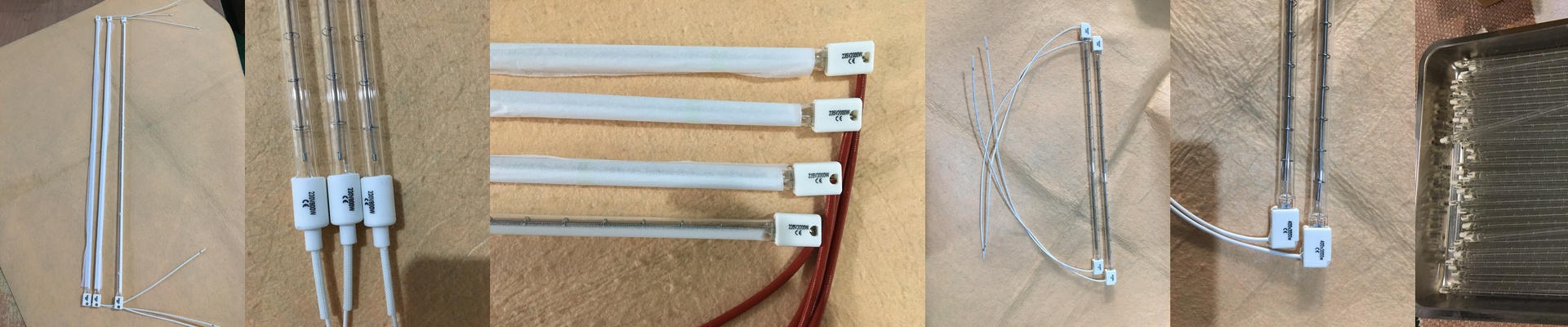
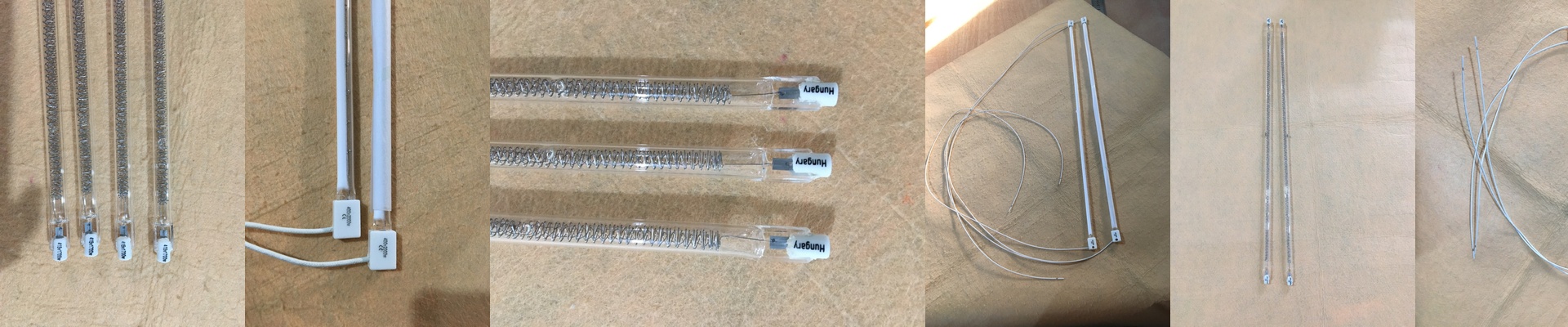
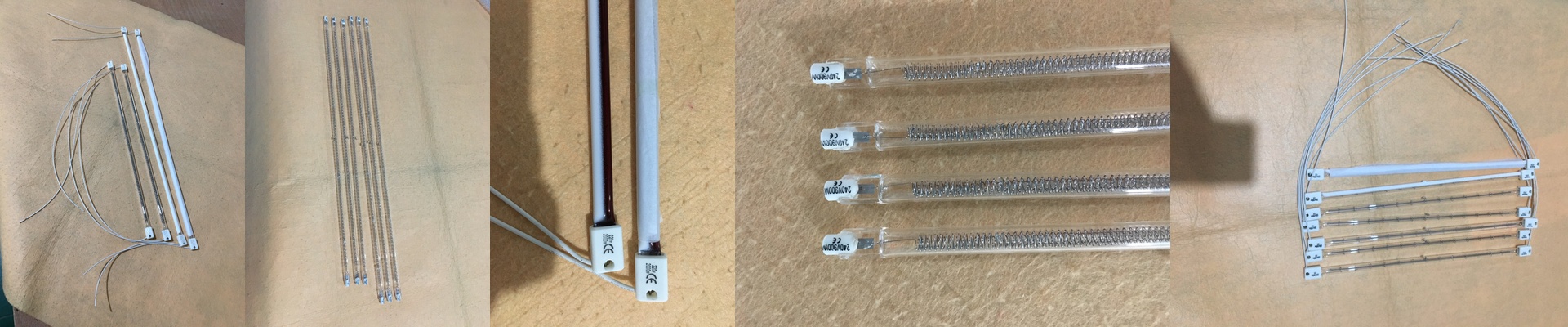
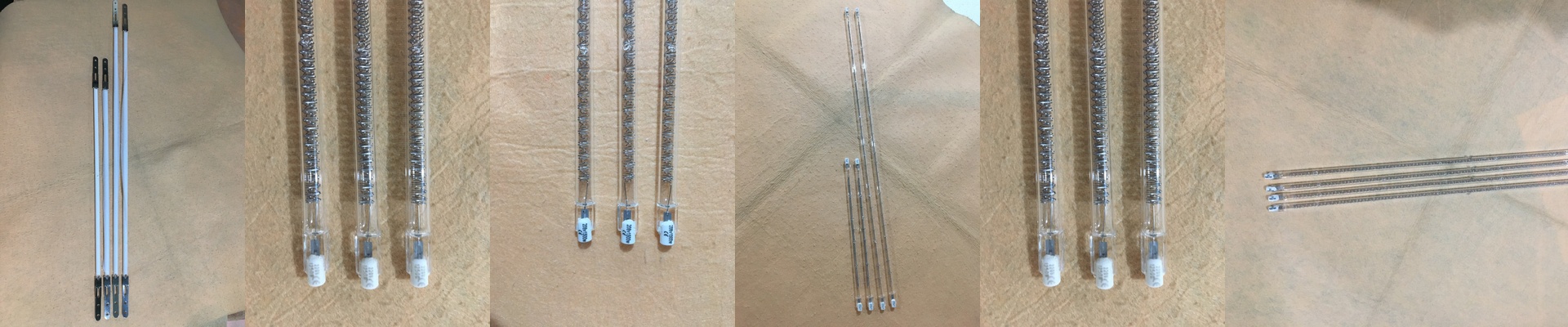
Why Gold Coating Actually Matters for Your IR Heaters
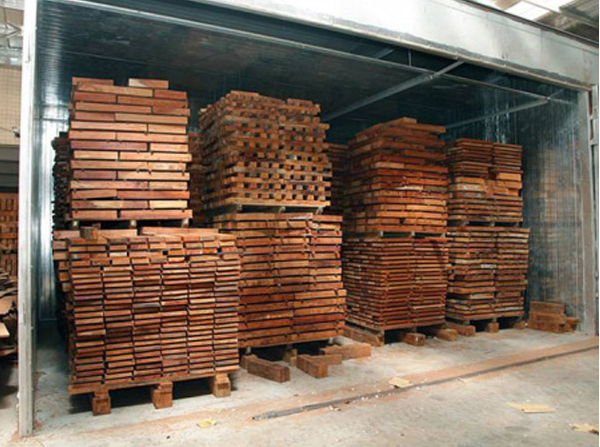
If you’re in wood processing, you know the frustration of watching your electricity bill climb while your workpieces aren’t heating up fast enough. Most of the time, you’re just paying to heat up the air and the inside of your machine chassis. It’s a waste. That’s where gold-coated reflectors come in. Standard reflectors are okay, but they scatter IR waves all over the place. Gold changes the math. It bounces a much higher percentage of that infrared heat right back onto the wood where it actually belongs.
Getting the heat where it needs to go
Think about a standard heating lamp. It throws energy in every direction—basically a 360-degree blast. In a drying or curing setup, half of that heat is just warming up the walls of your machine. We use a specialized gold layer to tighten that beam. Instead of a wide spray, you get a focused punch of heat. It’s a simple shift, but it means you hit your target temperature way faster. You don’t have to crank the wattage to the max just to get the job done. It’s just more efficient.
The nitty-gritty on the gear
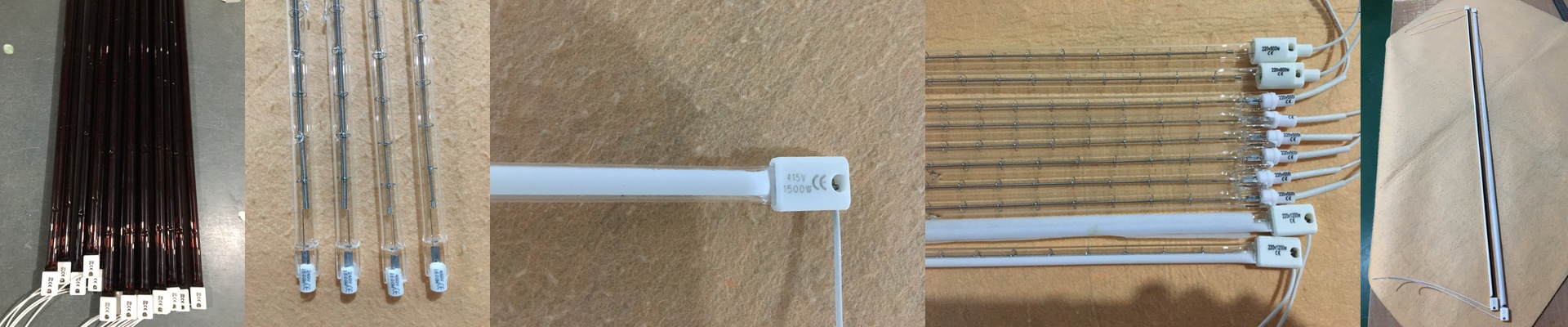
These lamps are built for the grind. You’ve got the quartz envelope protecting the filament, but the gold reflector is doing the heavy lifting. If you’re comparing specs, keep an eye on the reflectivity percentage. Gold simply beats aluminum when you’re dealing with mid-wave and long-wave IR. The best part? You don’t need to rebuild your whole line. These are drop-in replacements. Just double-check that your power supply matches the voltage and wattage, or you’ll burn them out before you even get a chance to see the difference.
The honest truth about the trade-offs
Look, gold isn’t cheap. Your upfront cost is going to be higher. But you have to look at it as a way to lower your monthly overhead. You’ll save on power, but there’s a catch: these reflectors are a bit pampered. If your shop is dusty or you’ve got resin mist floating around, that gunk will settle on the gold and kill the reflectivity. And please, for the love of your equipment,don’t scrub them with abrasive pads. You’ll strip the coating right off. Keep them clean. Also, keep an eye on your cooling fans. Because the heat is so much more concentrated, your housing can get hotter than you’re used to. Make sure your airflow can handle the intensity.