Steam vs. IR: Which one actually makes sense for your veneer line?
Most furniture shops still lean on steam to cure their glue. It’s the old-school way, and sure, it gets the job done. But man, the headache that comes with it is real. You’re dealing with massive boilers, a maze of pipes, and the endless chore of treating the water so your system doesn’t gunk up. Lately, we’ve seen more shops ditching the steam for Infrared (IR) heaters. It’s less about following a trend and more about just making life easier.
How the heat actually hits
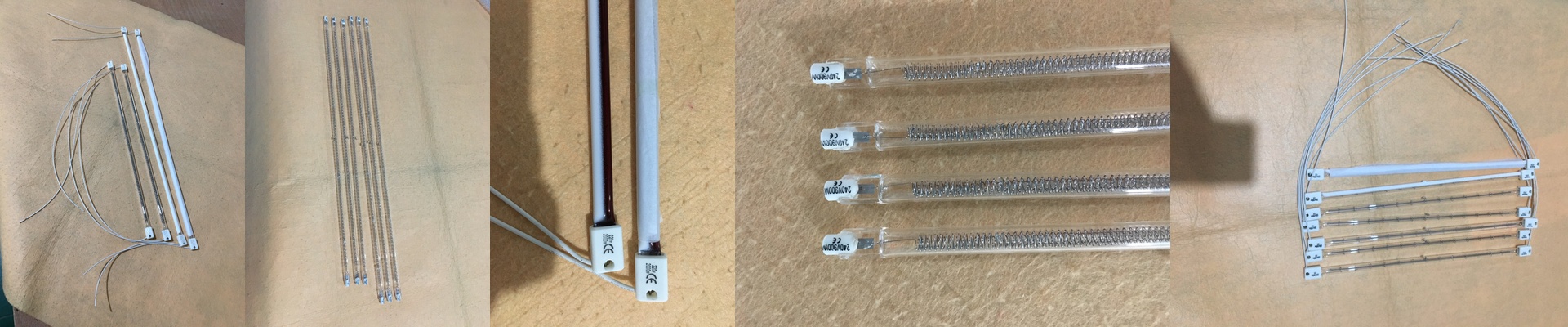
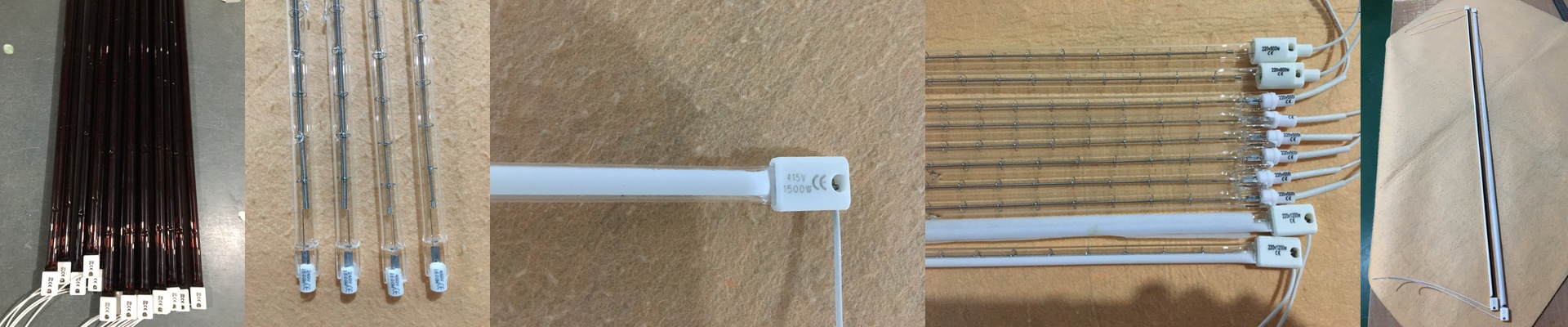
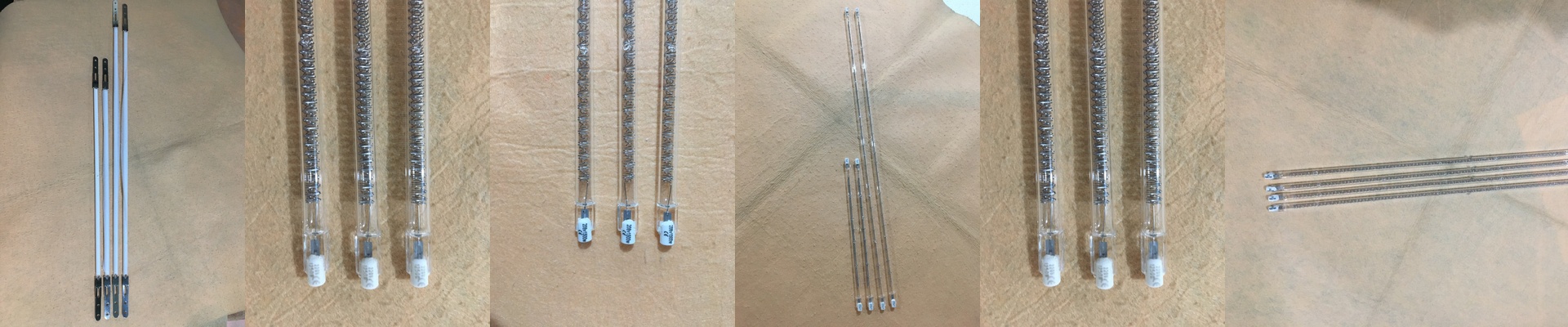
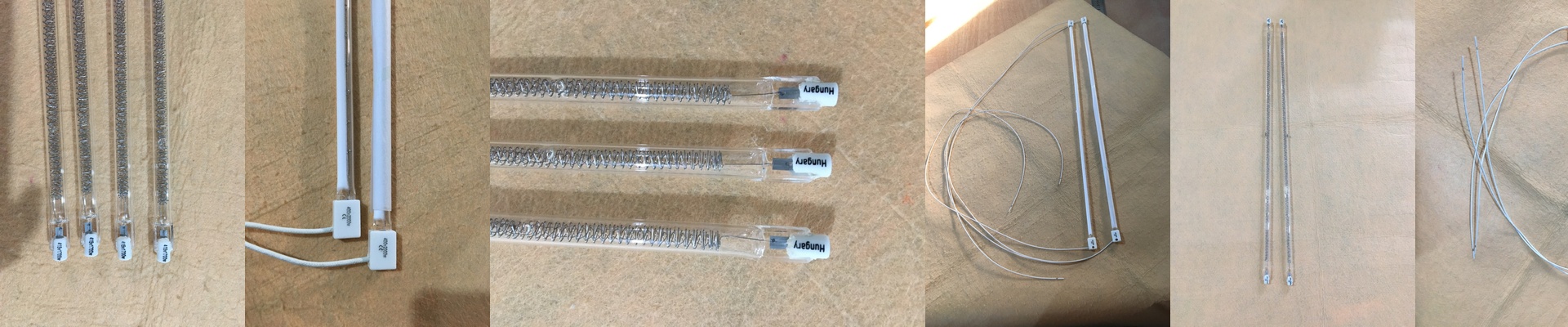
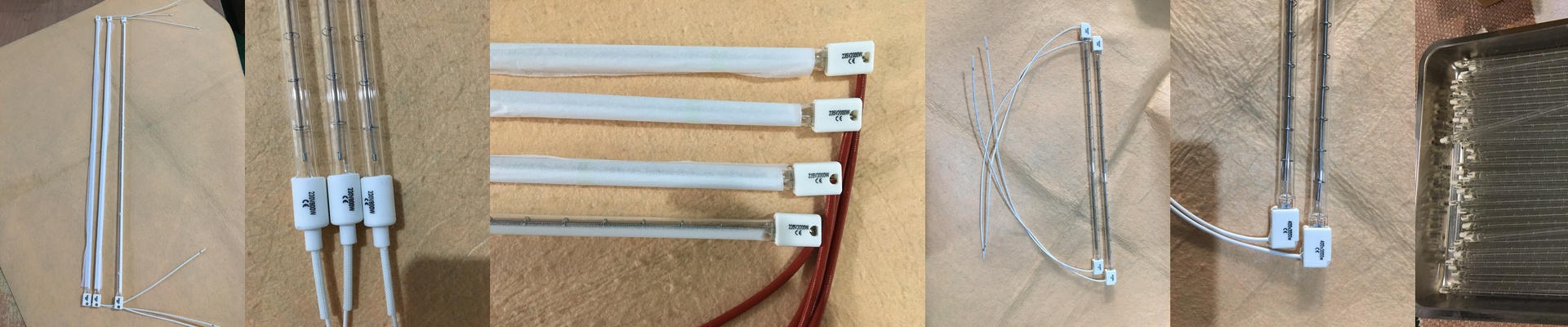
Think about steam for a second. You’re basically heating up the air or a metal plate and hoping that heat eventually migrates into the veneer. It’s a slow crawl. IR is different. It doesn’t bother with the air. It just shoots electromagnetic radiation straight into the glue line. It hits the substrate instantly. Because of that, you can take a curing cycle that used to drag on for hours and knock it down to a few minutes. It’s fast. Really fast. And that changes everything for your workflow.
Does the math add up?
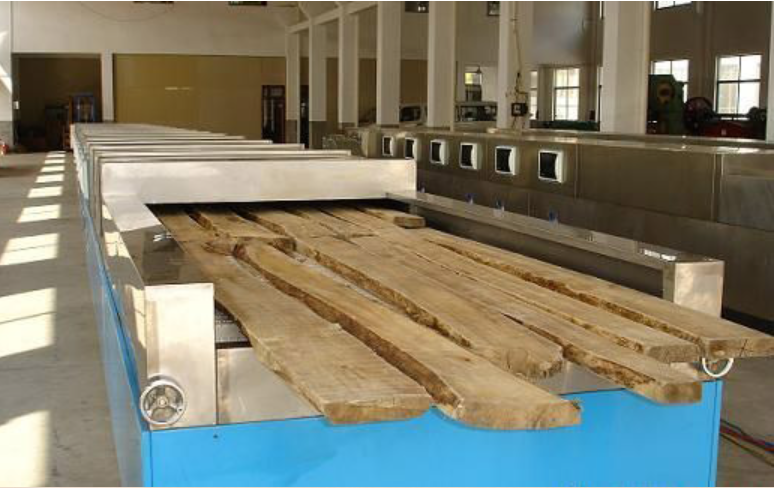
If you look at the price tag for the lamps and controllers, IR looks more expensive upfront than a few steam pipes. But you have to look at the bigger picture. You stop paying to fuel a giant boiler. You stop spending your weekends fixing leaky valves. The money starts coming back to you much quicker than you’d think. Here is where you really feel the difference: **Your floor space.**IR setups are tiny. You can suddenly fit more production lines in the same shop without feeling like you’re tripping over equipment. **The waste.**Steam is messy; it leaks heat all over the factory, basically warming the whole building for no reason. IR is like a flashlight—you point the heat exactly where the glue is and nowhere else. **The wait.**Boilers take forever to get up to pressure. With IR, you flip a switch and you’re at target temperature in seconds.
The catch (because there’s always one)
Now, IR isn’t some magic wand that works for everyone without effort. If you use high-intensity shortwave lamps, you’re dealing with a lot of raw power. If your conveyor belt is moving too slowly, you’ll scorch the veneer. You’ll smell it burning before you even see it. You have to get your belt speed and lamp wattage perfectly synced. If your line speed jumps around, you’ll want a PID controller to handle the power automatically so you don’t ruin a batch of wood. At the end of the day, switching to IR just gets the boiler out of your hair. It turns a complex plumbing nightmare into a simple, plug-and-play electrical setup.