Ditching the Boiler: Moving Your IMA Edge Bander to IR Heating
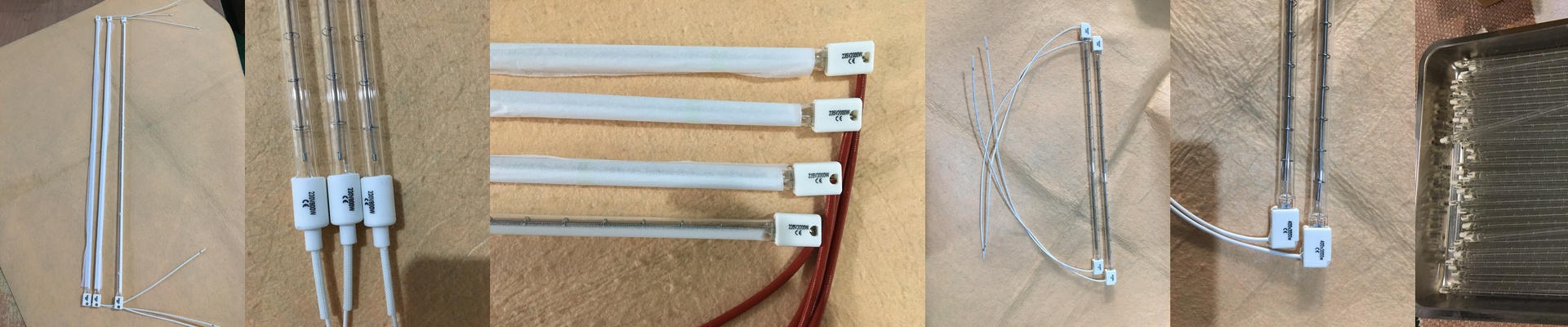
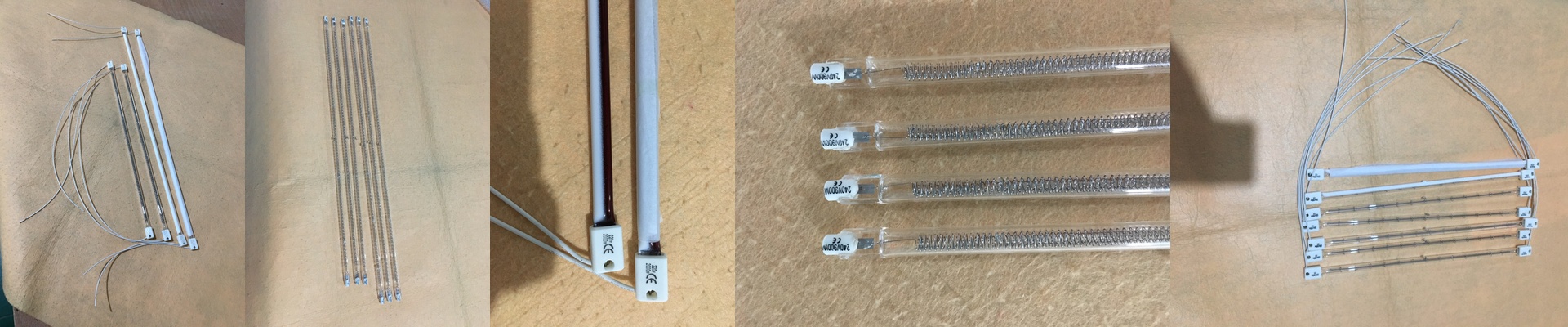
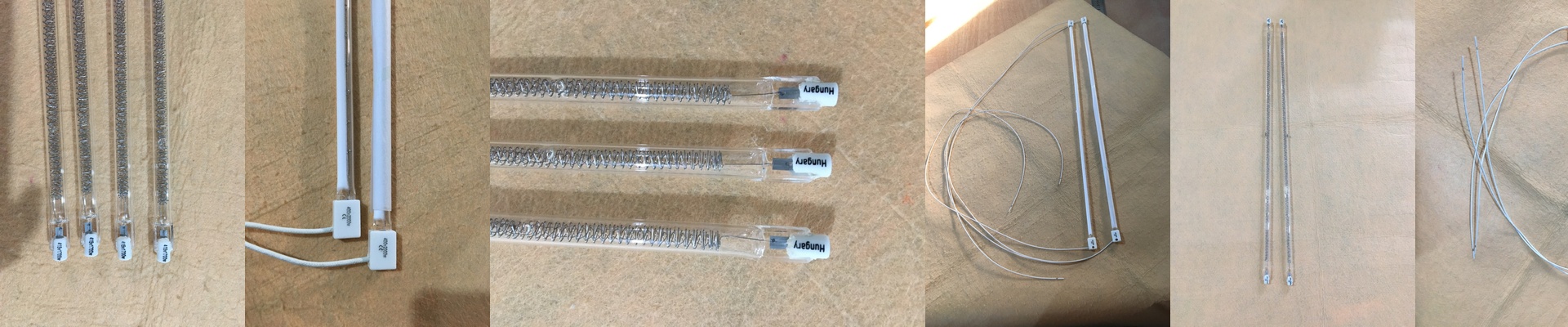
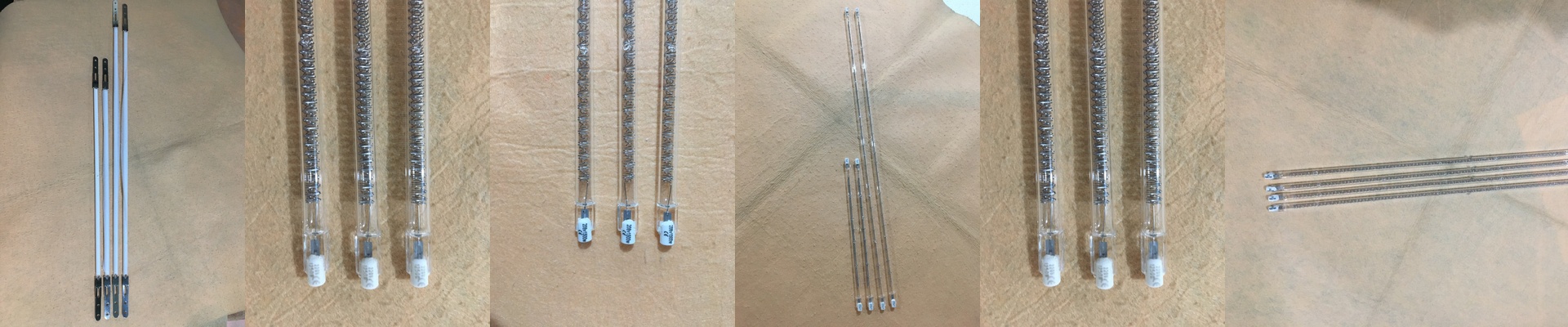
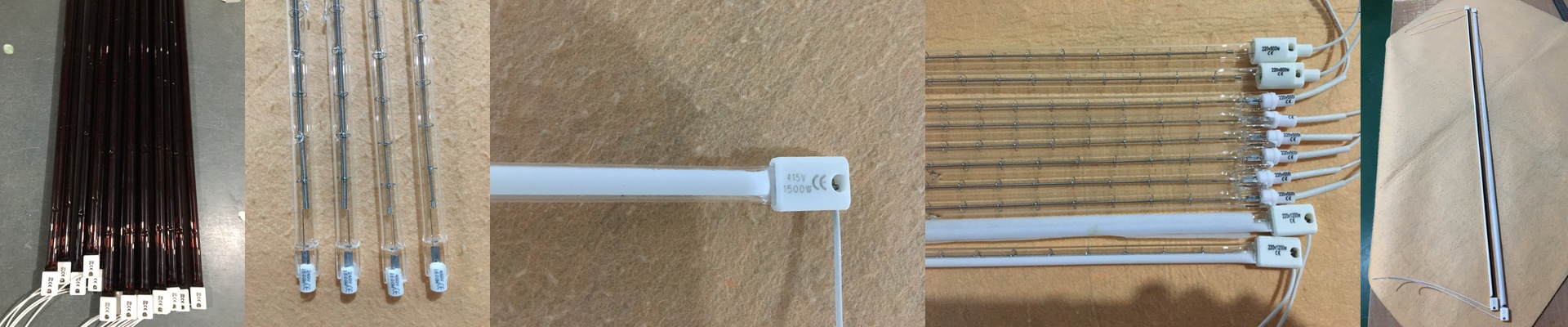
Let’s be honest—coal-fired boilers are a pain. If you’re still using one to melt your adhesive, you know the drill: the soot, the constant headache of storing fuel, and that lingering feeling that you’re running a museum instead of a modern shop. Lately, we’ve been helping shops swap those old boilers for IR lamp systems. It’s a cleaner way to work, and it gets rid of a massive chunk of your carbon footprint. Why IR actually works Here is the thing about IR lamps: they don’t waste time heating up the air around them. They use radiation to send energy straight into the glue or the workpiece. We pick lamps with specific wavelengths that the glue just “soaks up.” It’s precise. No wasted heat, no hovering clouds of hot air—just the heat exactly where it needs to be. The hardware side of things For the IMA machines, we go with short-wave quartz lamps. The best part? The speed. You don’t have to show up an hour early to wait for a boiler to build up pressure. You just flip a switch, and you’re at temperature in seconds. It makes the morning startup feel effortless. Now, a word of caution. We use high-wattage tubes to keep the machine from taking up too much floor space, but that creates a lot of concentrated heat. If your ventilation isn’t up to the task, you risk frying your electronics. Keep those cooling fans cranking so your sensors stay happy. Making the switch Moving toward a “green” factory isn’t as simple as just swapping a bulb. You’ll need to check your wiring because your electrical load is going to jump. You’re basically trading your fuel bill for a kilowatt bill. But the real win is the control. With IR, you get PID zoning. That means you can tweak the heat on the fly depending on whether you’re running thick PVC or a delicate veneer. It stops the glue from burning or, worse, failing to bond. It turns “going green” into something that actually improves your build quality, rather than just being a fancy slogan for a brochure.