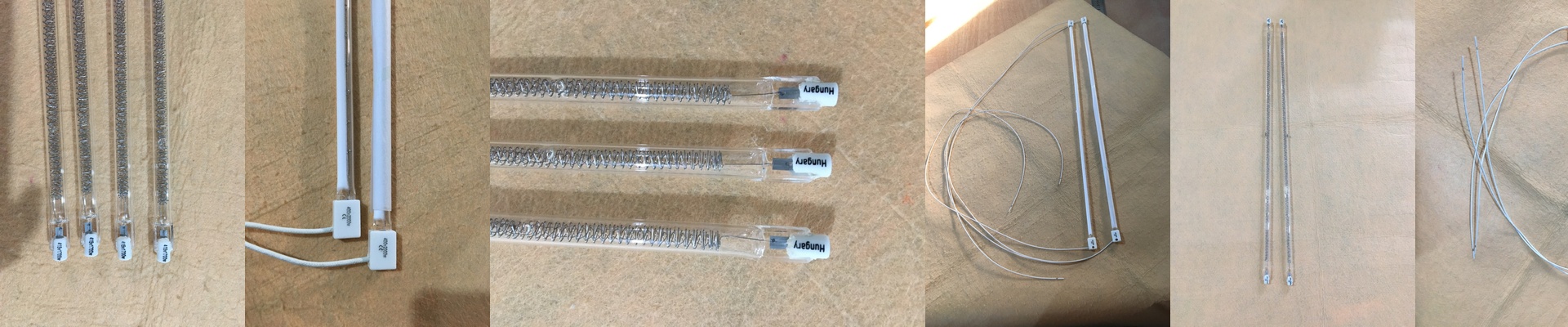
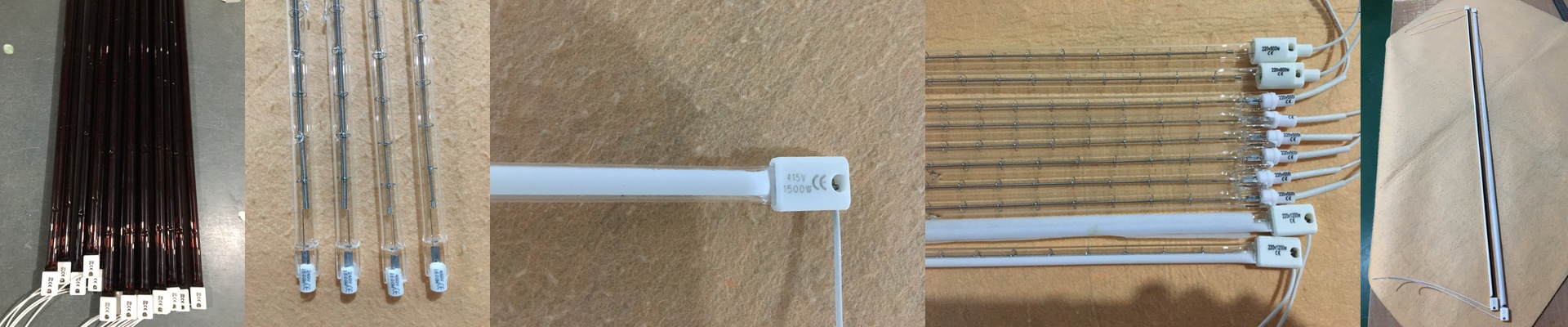
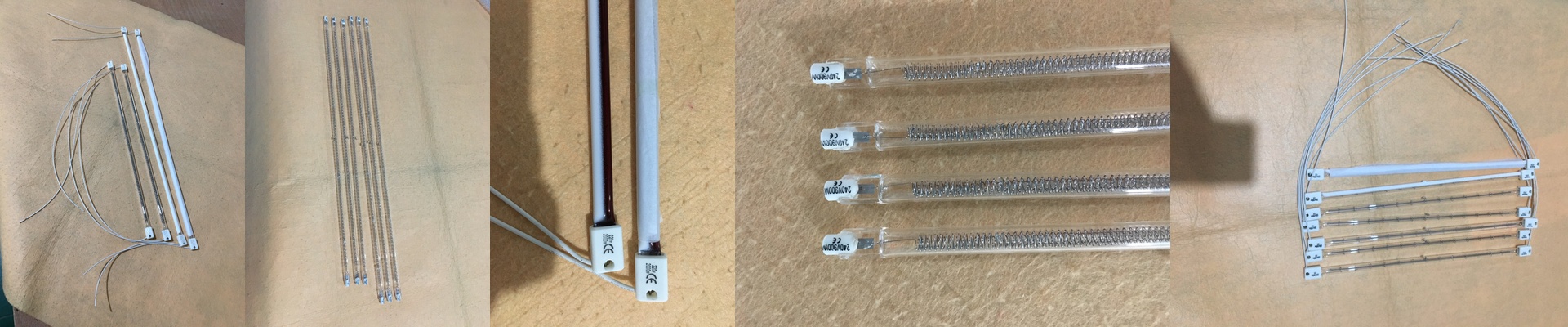
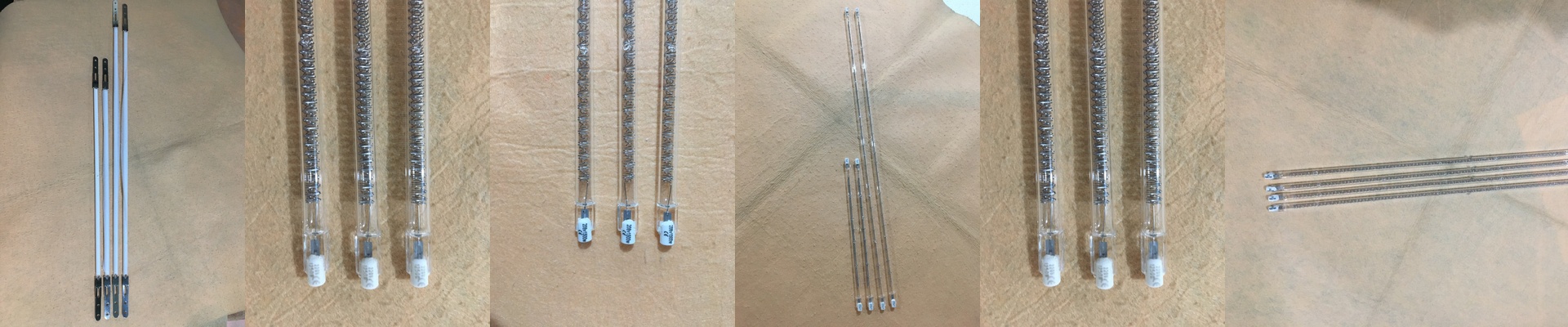
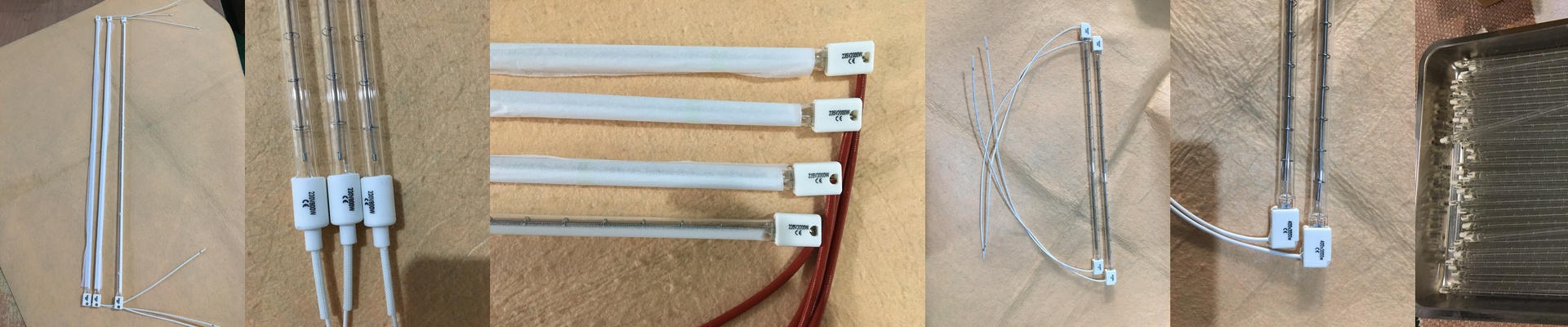
Let’s Talk About Your IMA Replacement Lamps
When you’re swapping out a heating lamp in your IMA machine, it’s easy to think of it as just a quick lightbulb change. But it’s a bit more than that. You’re plugging a high-wattage part into a complex electrical system. In a high-end shop, one tiny insulation failure can lead to a machine-wide short—or worse, a fire. Why we obsess over testing We don’t just “spot check” our lamps. We put every single one through high-voltage (HiPot) and insulation resistance tests before they ever leave our doors. Here’s how it works: we hit the lamp with a voltage way higher than what it’ll normally see on your shop floor. This pushes the quartz envelope and the electrode seals to their limit to make sure no current is leaking toward the chassis. If there’s a microscopic crack or a smudge on the seal, the lamp fails. Period. When a lamp passes, you can trust that the power stays exactly where it belongs—inside the filament—and doesn’t jump to your machine frame. The reality of a dusty shop Let’s be honest: woodworking shops are messy. You’ve got fine sawdust everywhere, and that dust can actually conduct electricity or catch fire. If you use a lamp with shaky insulation, that mix of high heat and conductive grit is a recipe for electrical arcing. That’s why we build these with a strict insulation barrier. It keeps things safe, even when the environment is gritty. A few things to keep in mind Our factory tests are rigorous, but they can’t protect the lamp from a clumsy installation. Quartz is brittle. If you over-tighten the connectors or accidentally bump the glass, you’ve just undone all that safety testing we did. Also, do yourself a favor:**wear gloves.**The oils from your skin can create “hot spots” on the glass, which can cause the tube to crack once it heats up. These lamps are designed to drop right into your IMA’s original footprint. Just keep your wiring clean and free of debris, and you’re good to go.