Stopping the Lag in SACMI Rotary Blow Molding
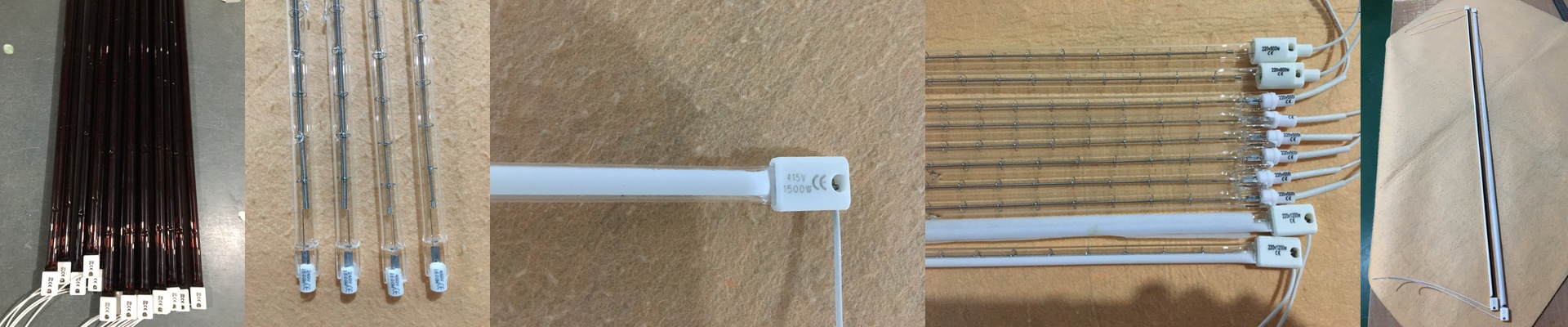
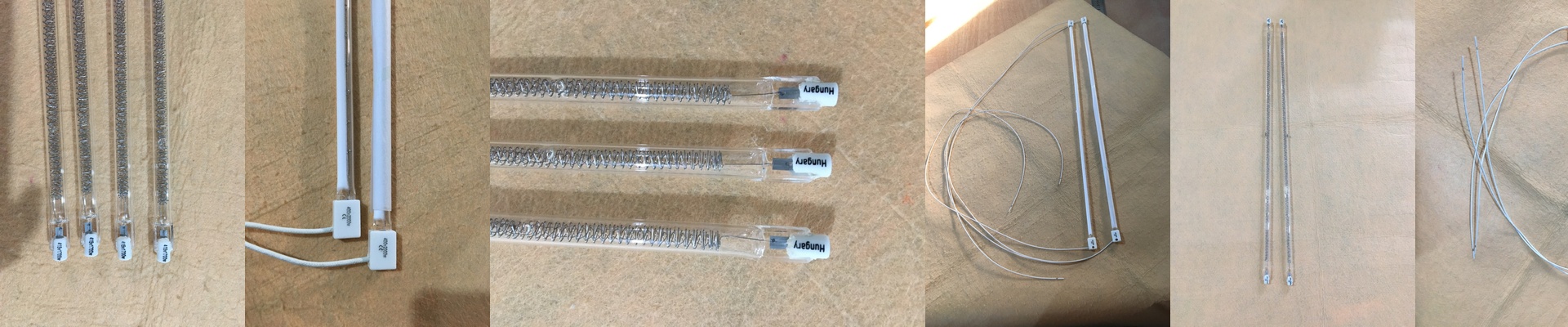
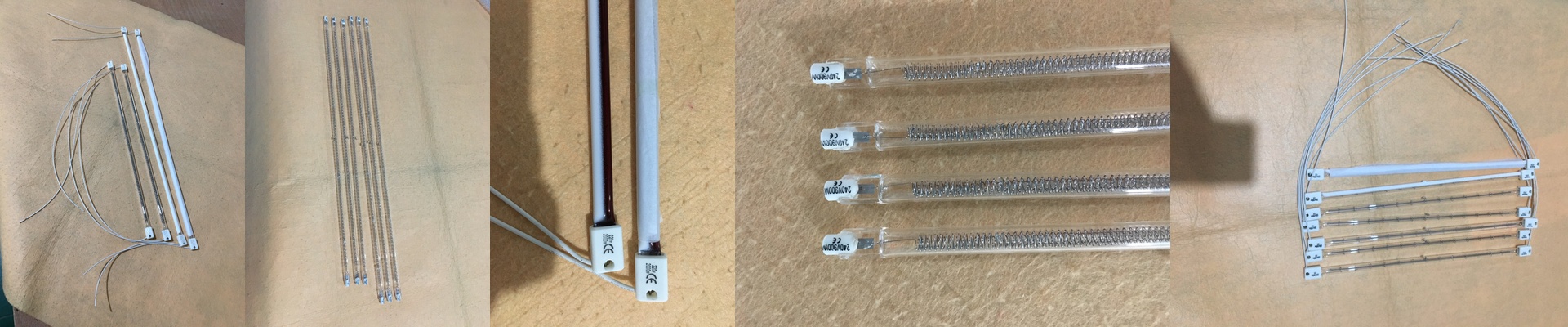
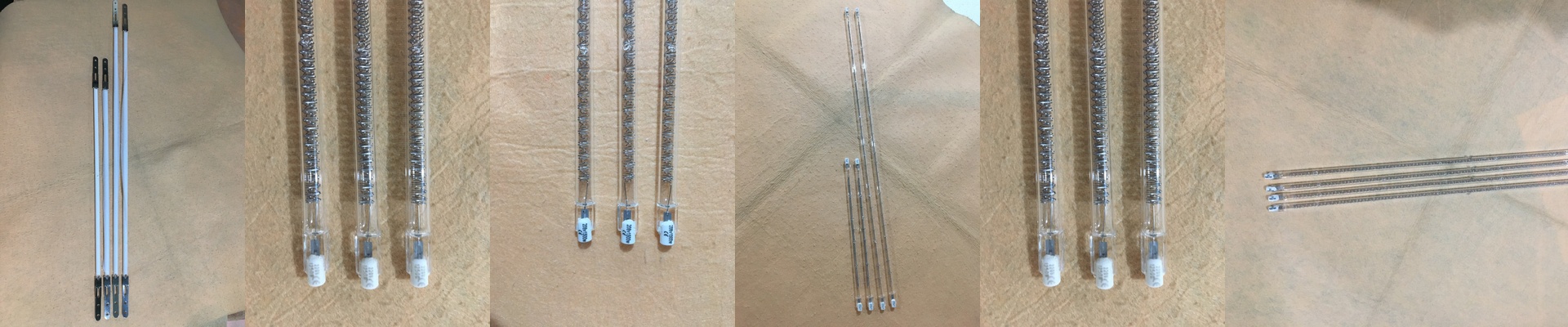
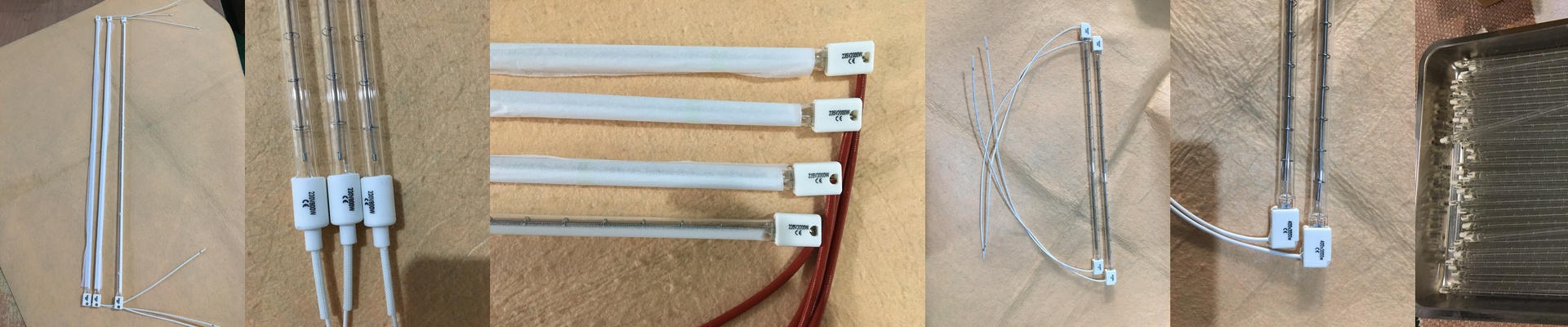
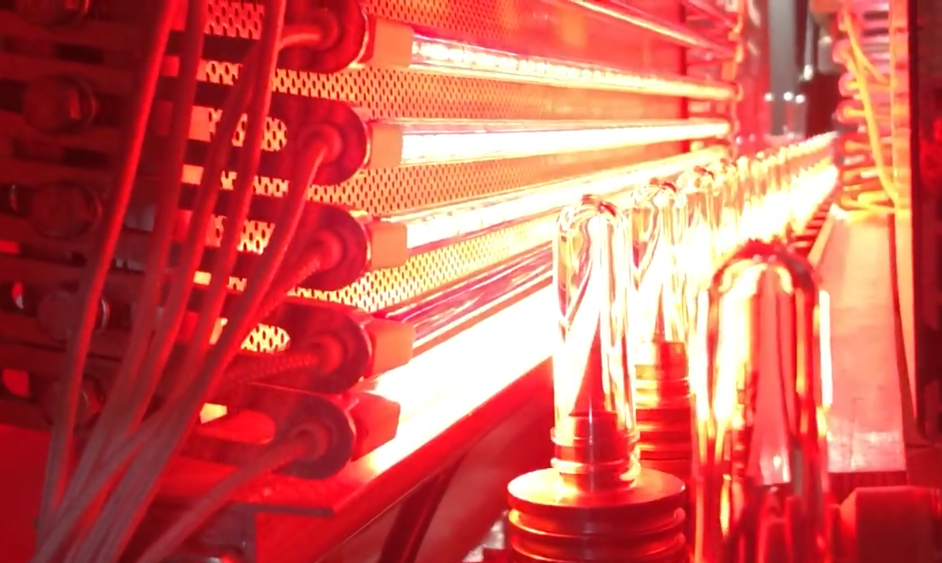
When you’re running high-speed PET blowing, you don’t have a second to waste. The window to get that preform heated is tiny. If your lamps are sluggish and take forever to hit the right temperature, you’re going to see it in your bottles—wonky wall thickness, failures, and a lot of wasted plastic. That’s why we built our replacement IR filaments specifically for the frantic pace of SACMI rotary machines. We wanted to kill that start-up lag once and for all. Getting the heat where it belongs Here’s the thing: most lamps waste too much energy just trying to warm themselves up. We changed the tungsten coil density so the lamp hits peak infrared emission almost instantly. By using high-voltage setups, we can cram more wattage into a small space. It sounds technical, but the result is simple: the PET resin hits its glass transition temperature in milliseconds. It’s fast. Really fast. And that means your line stays consistent. Built for the heat (and the swap) We use high-purity quartz glass because, let’s be honest, the thermal shock in these machines is brutal. If the glass can’t take it, the lamp breaks. We also trimmed down the thermal mass of the filament. Less “bulk” means less energy is wasted heating the lamp itself, and more of that heat goes straight into the preform. Plus, we kept the connectors standard. You can just pop these in, wire them up, and get back to work without having to rebuild your lamp holders. The real-world stuff These lamps are great for fixing those “cold start” headaches that plague high-output lines. You’ll notice way fewer rejected bottles during the ramp-up phase. But a quick heads-up: when you push for faster start-ups, you’re putting more stress on the filament. To keep them from burning out early, make sure your power controllers are calibrated. You don’t want voltage spikes hitting the lamps the moment they ignite. And one last thing—check your cooling fans. Since these lamps pack more heat density, your fans need to be up to the task, or you might overheat the lamp ends.