Keeping Piglets Warm Without Breaking the Bank
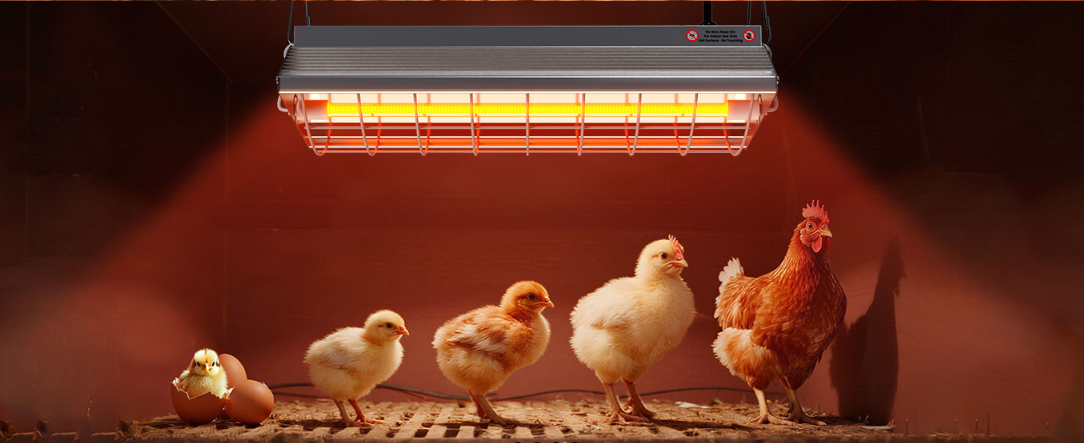
If you’ve spent any time in a farrowing house, you know the deal. For a newborn piglet, staying warm isn’t just a preference—it’s a survival game. But here’s the problem: you’re usually stuck choosing between those overpriced “big brand” heaters or cheap, generic bulbs that burn out if you look at them wrong. We decided to build something in the middle. We use the same high-grade parts the expensive guys use, but we cut out the fancy marketing markup. You get the heat density you need without the “luxury” price tag.
How the heat actually works
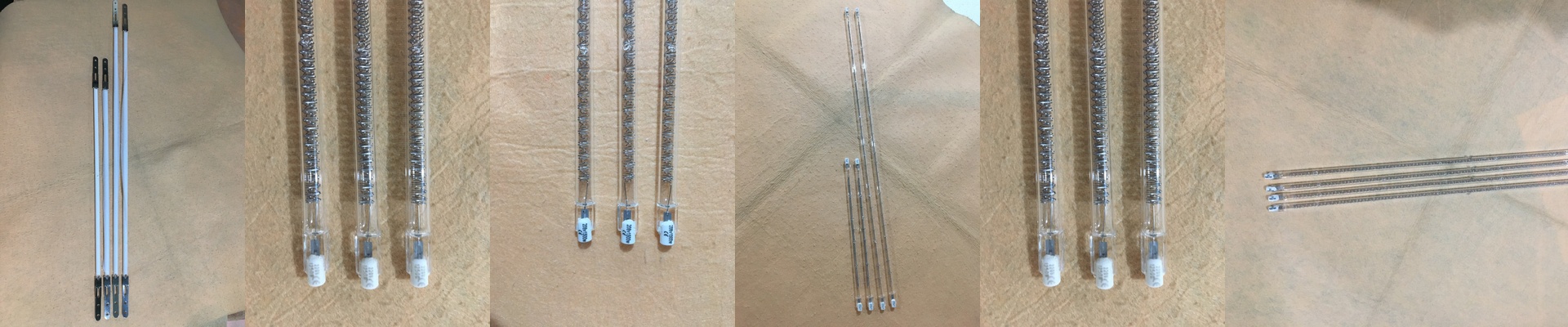
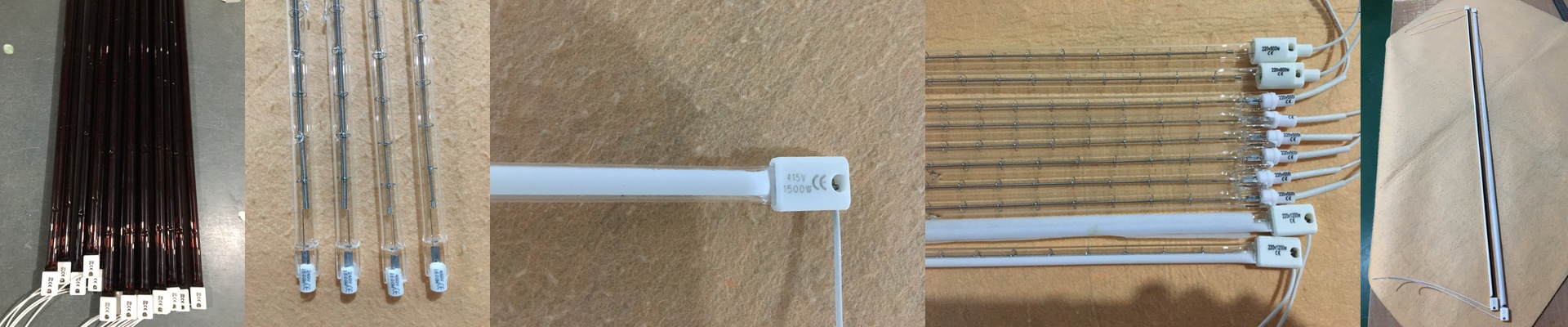
We use high-purity quartz glass for a reason. It lets the short-wave infrared radiation pass right through. Instead of heating up the entire room (which is just wasting electricity), the energy goes straight to the piglets. It’s targeted. We’ve tuned the filaments to hit a temperature that feels like a sow’s natural warmth. It just feels right to the animals.
Built for the grime
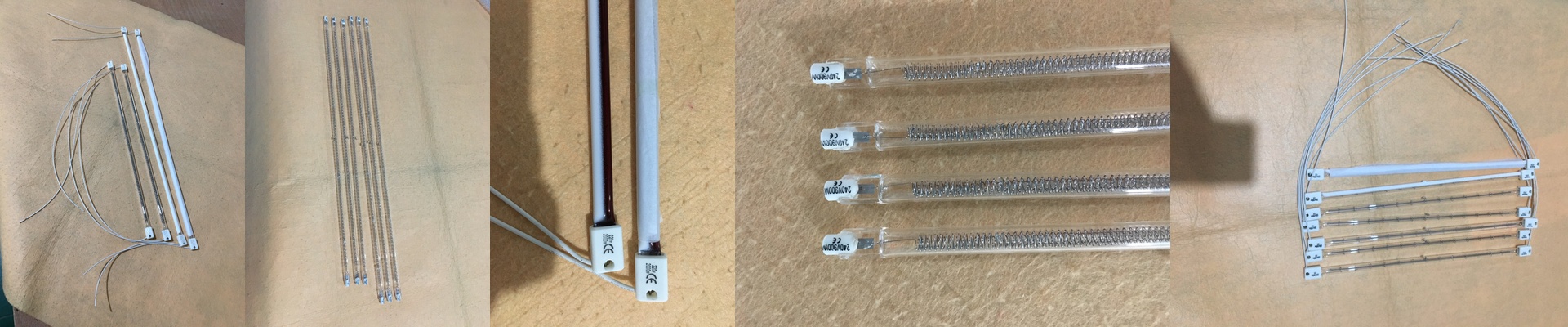
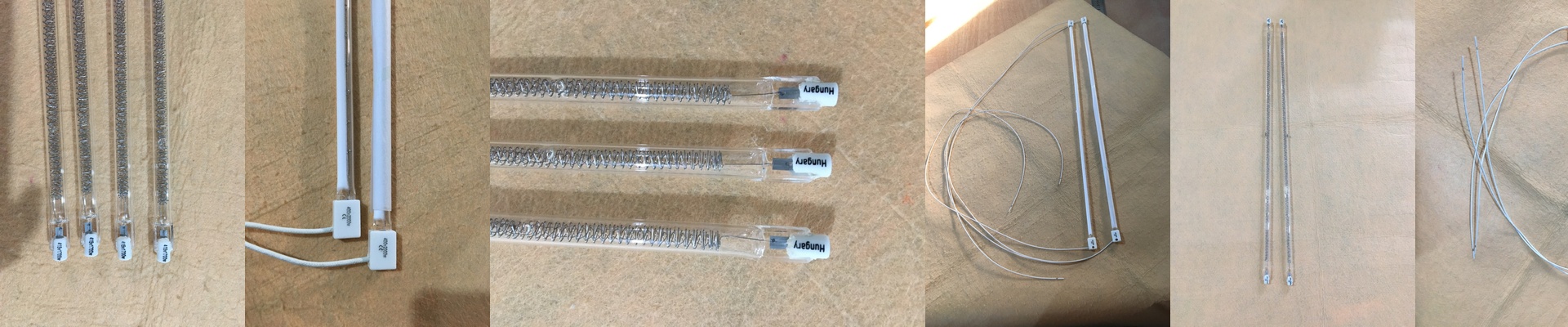
Let’s be honest: piggeries are brutal on equipment. Between the ammonia and the constant humidity, most electronics just give up. If a seal leaks, the filament is toast in a few days. That’s why we beefed up the seals to keep the moisture out. We also used heavy-duty connectors. They won’t wiggle loose when things start vibrating or expanding from the heat. They just stay put. Depending on how big your crates are, you can pick from a few different wattages. Just a heads-up: the higher the wattage, the more heat you get, but you’ll need to hang them a bit higher so you don’t accidentally burn the piglets’ skin. Also, double-check your wiring. If your gauge is too thin for a high-wattage setup, you’ll deal with voltage drops, and nobody wants that.
Getting them installed
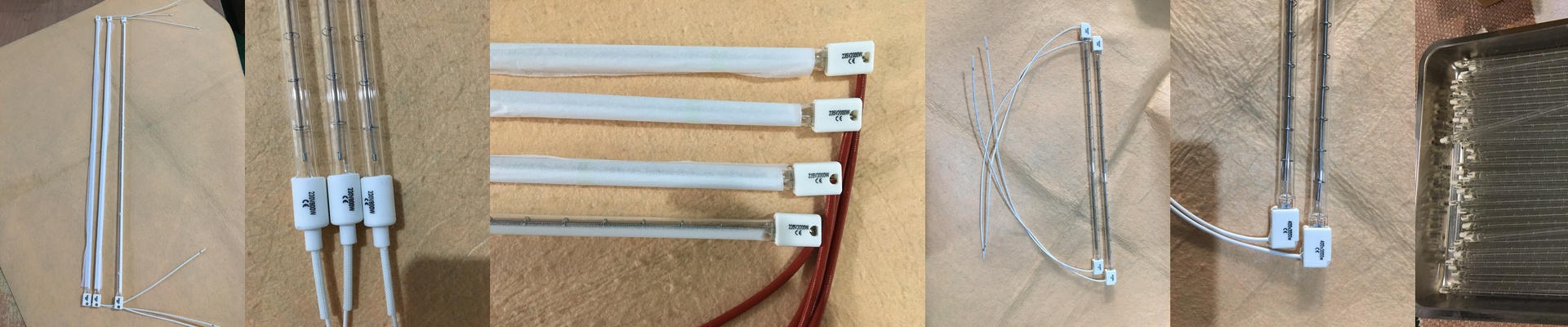
These are designed to be drop-in replacements. We kept the fit tight so you aren’t fighting with the sockets or cursing at the fixtures during installation. It just clicks in. One quick tip, though. These quartz lamps are a bit temperamental. If your team touches the glass with bare hands, the oils from their skin create “hot spots.” This causes the glass to crack way sooner than it should.**Do your staff a favor: wipe the tubes with a bit of alcohol before you flip the switch.**It takes ten seconds, but it adds thousands of hours to the life of the lamp.