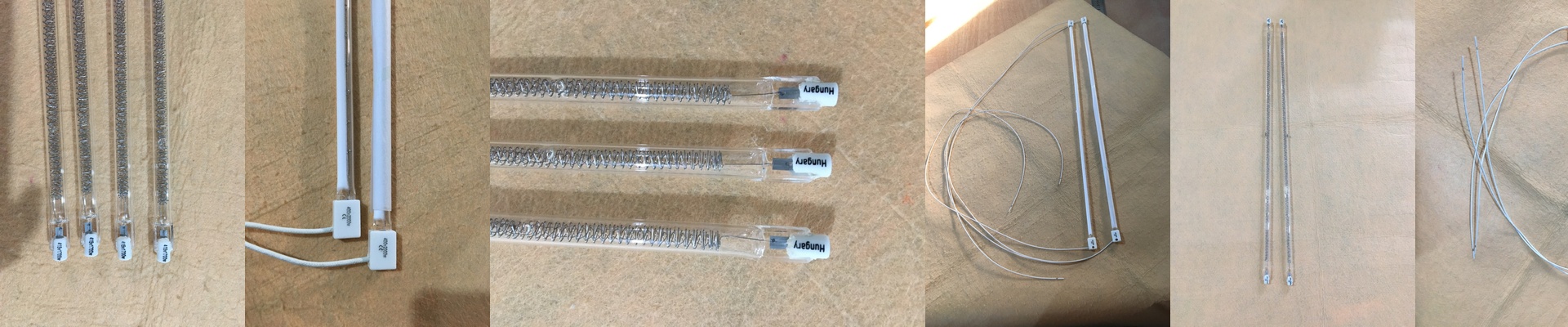
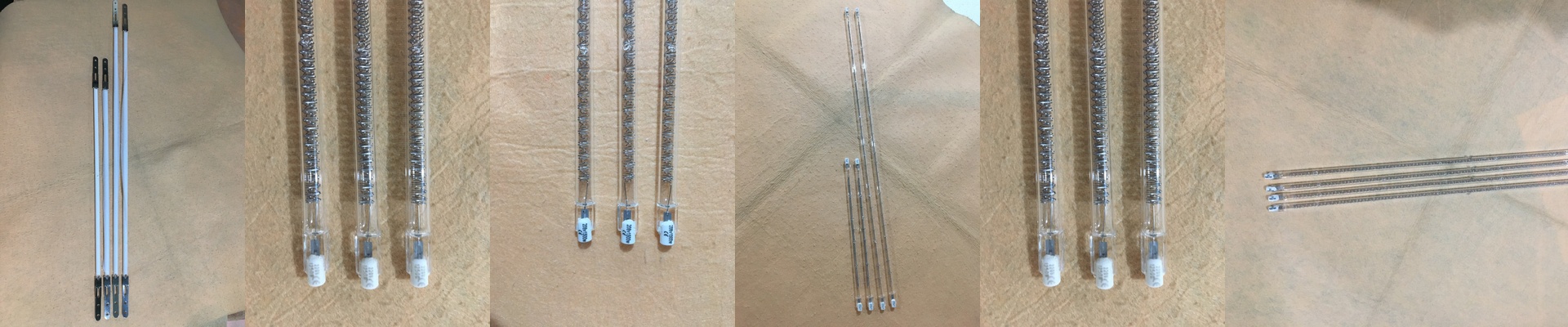
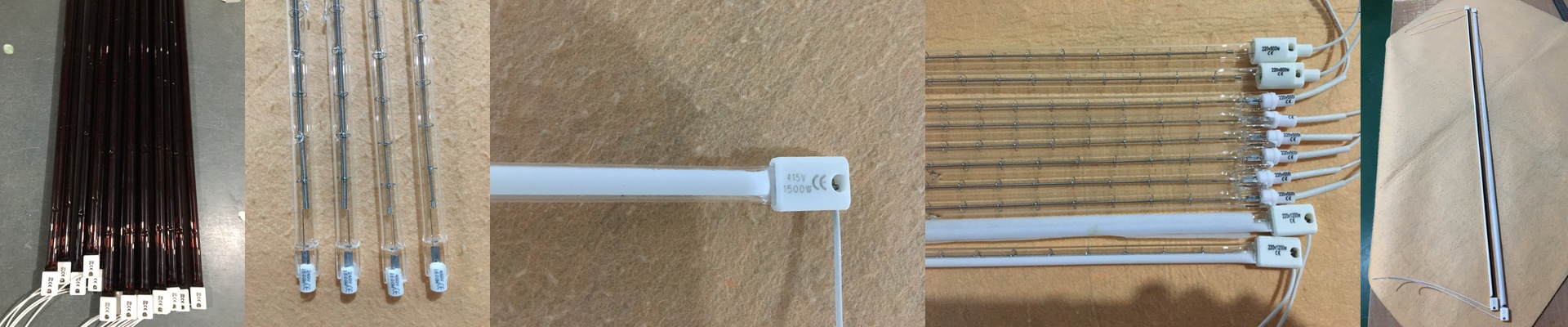
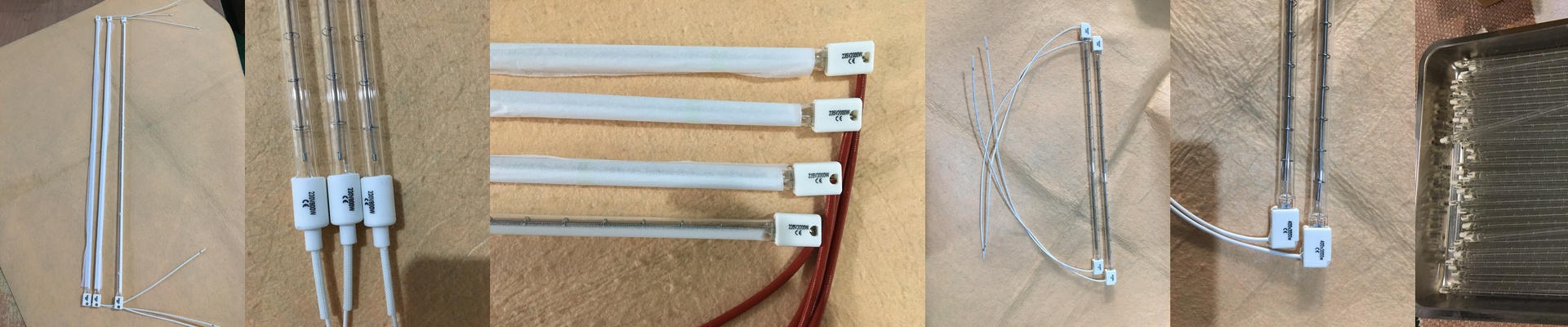
Halogen Carbon Fiber Infrared Heat Lamps: Power, Precision, and the R7s Edge
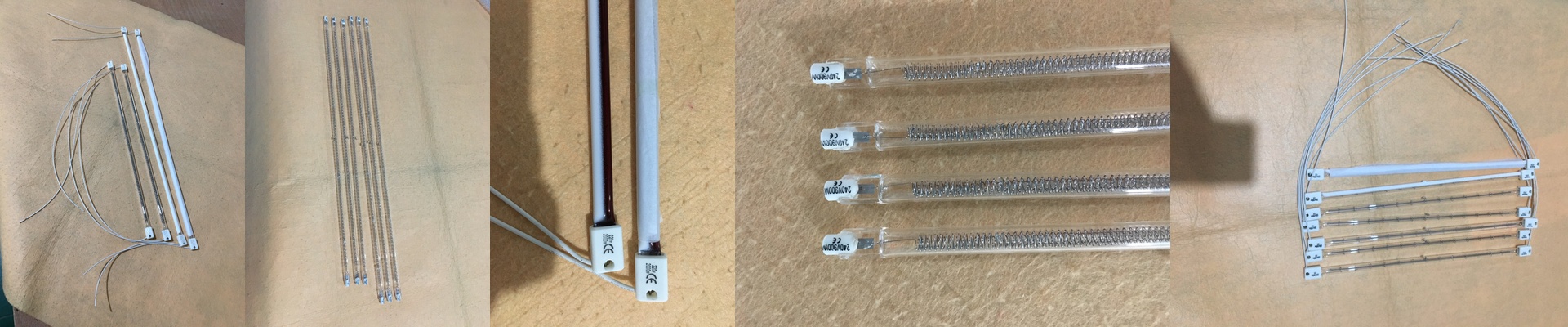
We built this halogen carbon fiber infrared heat lamp for engineers who need heat they can count on, even when space is at a premium. Forget about general lighting. This is a focused heating tool, made for industrial jobs that demand a rapid temperature climb and rock-solid performance, hour after hour.
The Specs That Matter: Power, Voltage, and Size
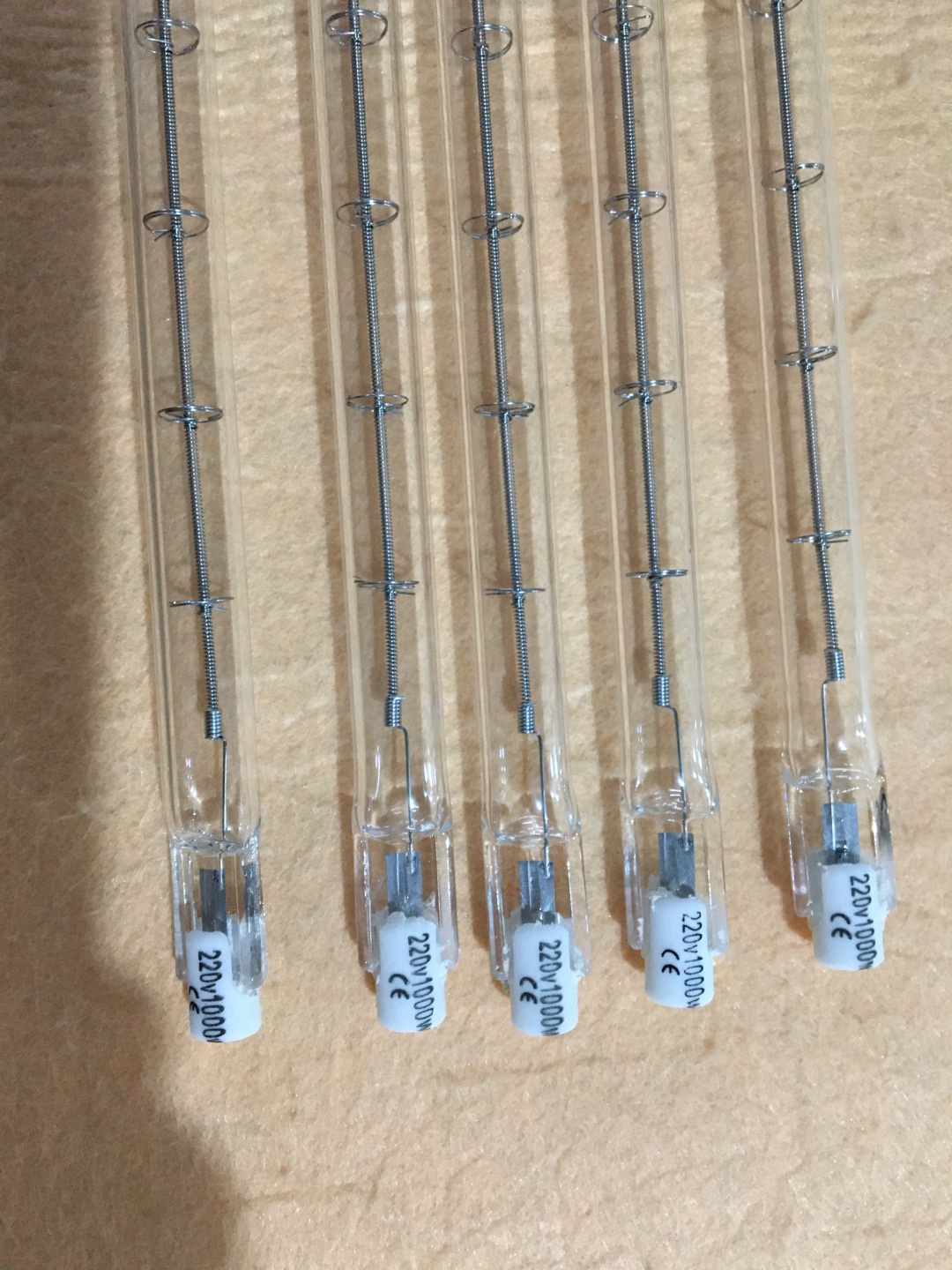
Let’s get into the heart of it. This lamp runs at 400V and cranks out 2500W of power. That’s a lot of heat, packed into a small space. The result? You hit your target temperature fast, without needing to build a massive heating zone. The 300mm tube length keeps the thermal footprint tight, so it slips easily into cramped enclosures and narrow tunnels. It’s all about getting concentrated power right where you need it, and matching the wattage to the job.
What’s Inside: Halogen, Quartz, and a Smart Coating
Inside the quartz envelope, the carbon fiber filament fires up fast, delivering an even spread of infrared heat. The halogen cycle keeps the filament clean and stable over time, so you don’t get that frustrating blackening that kills output. A shortwave infrared coating focuses the energy into a usable band, which means better absorption on treated surfaces and polymers. And the R7s connector? It’s a practical, no-fuss choice. It handles the current, makes a solid connection, and turns the lamp into a simple, drop-in replacement for standard fixtures. We designed it to handle the heat at the ends and keep the connections reliable, no matter how long the shift runs.
For the Engineer Who Needs Heat, Fast
This is your go-to when you need controllable heat in a tight spot. Think PET blowing, thermoforming, coating curing, plastic welding. The shortwave output gets in there fast, and the compact tube makes integration a breeze. You get faster cycle times and temperature control you can set and forget. But here’s the trade-off: that high power density means your machine’s cooling and electrical systems need to be properly planned. You’re going to feel the ambient heat near the tube, so plan your wiring and insulation accordingly.