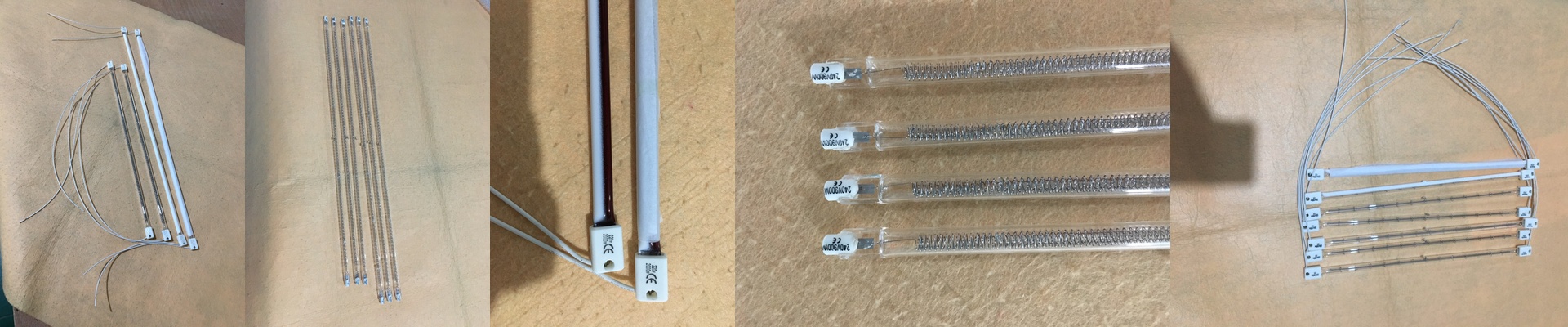
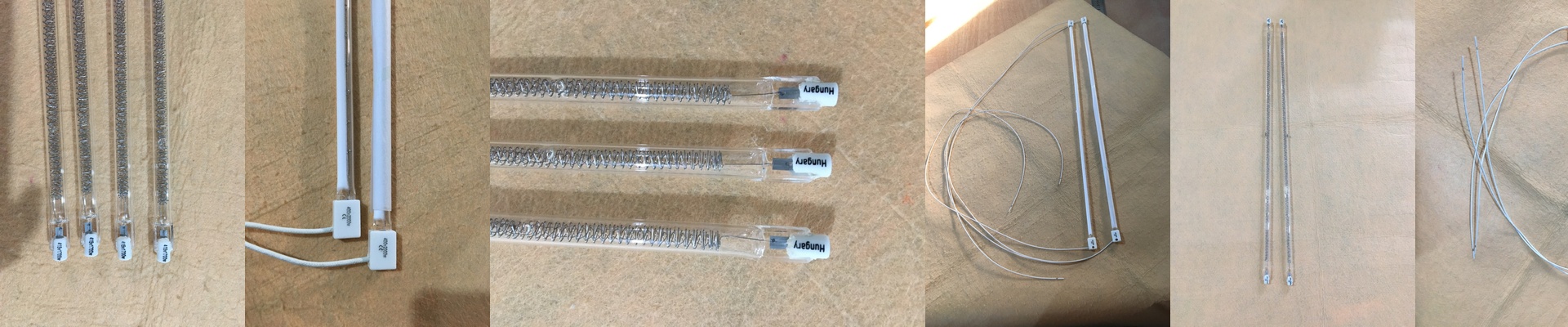
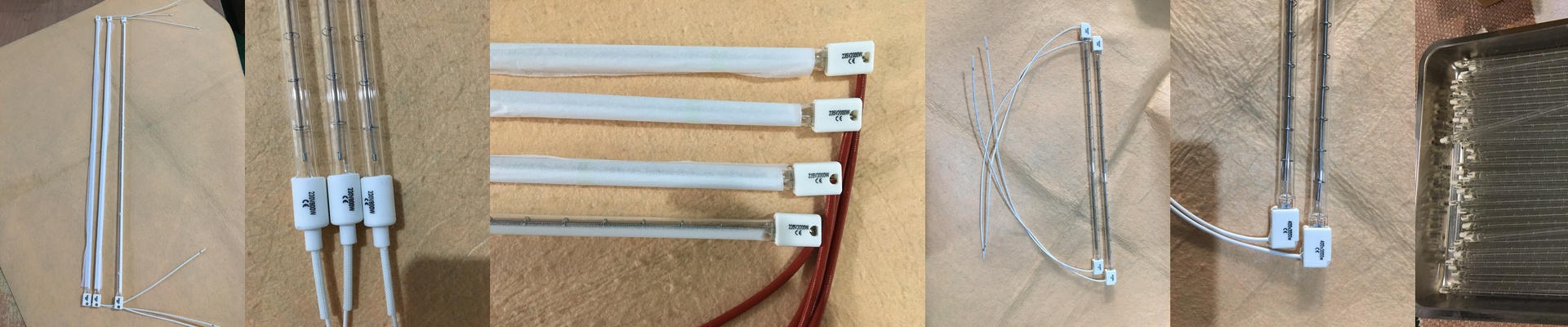
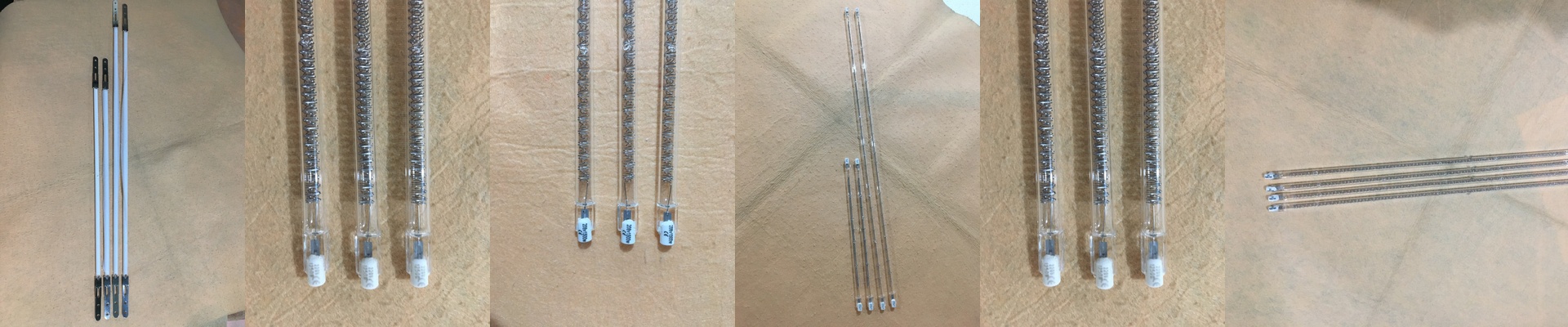
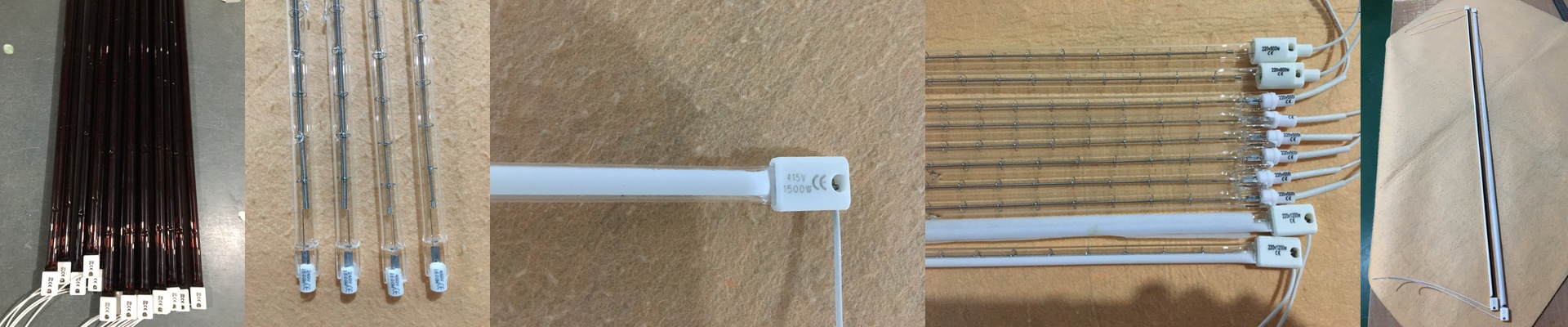

Quartz Infrared vs. Ceramic: Which one for your ducklings?
When you’re getting a brooder ready, you’ll probably find yourself staring at two options: ceramic heat emitters or quartz infrared lamps. A lot of people go with ceramic right off the bat because they don’t give off any light, which seems like a win. But if you look at how the heat actually hits the birds, quartz infrared is usually the way to go. Here’s the thing about how they actually work. Ceramic heaters are all about convection. They warm up the air, and then that air eventually warms up the ducklings. It’s a bit slow. There’s a lag. Quartz infrared is different. It uses radiant heat. Think of it like the sun hitting your skin on a cold day—it penetrates that fluffy down and warms their little bodies directly. It’s instant. And then there’s the power side of things. Quartz lamps use a tungsten filament in a silica tube, which lets them get much hotter than ceramic. Because the heat goes straight to the bird, you can often get away with a lower wattage lamp and still keep them cozy. Plus, ceramic plates have this annoying habit of staying hot long after you’ve turned them off. If your thermostat is even slightly off, you run the risk of overheating the brooder. Now, let’s talk about durability. Ceramic can actually crack if the temperature swings too quickly. Quartz tubes are tougher in that sense, but they’re glass. If a clumsy duckling manages to smack into one, it’s over. Just put them in a protective cage and you won’t have to worry about it. The only real downside? The light. Infrared lamps have that red glow. Some folks worry it’ll mess with the babies’ sleep, but honestly, the trade-off is worth it. You get way better control over the temperature and your electric bill will thank you. If you want to get fancy, hook one up to a high-quality dimmer or a PID controller. That way, you can just dial the heat down as they grow and get fluffier.