Industrial Heat Lamps: Pro Gear for the Small Farmer
If you’re running a small livestock operation, you’ve probably noticed a frustrating trend. You either pay a massive premium for a “name brand” lamp, or you gamble on cheap imports that burn out in a week. We think that’s nonsense. We provide the same OEM-grade hardware the big industrial players use, just without the fancy logo and the inflated price tag.
Let’s talk about the heat
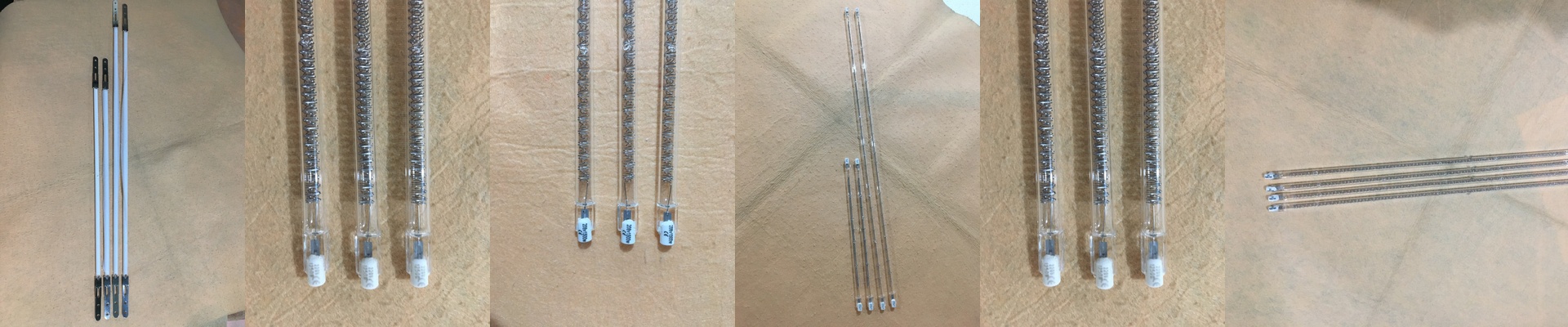
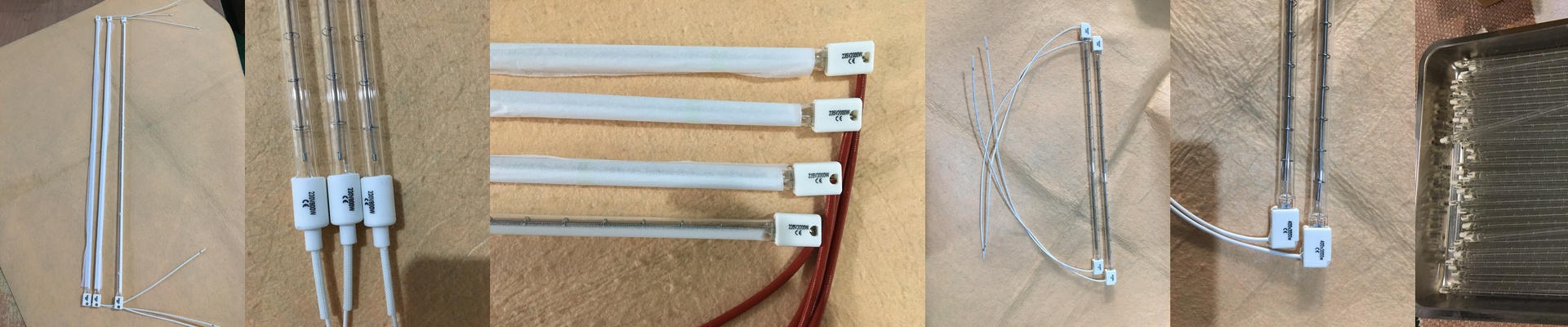
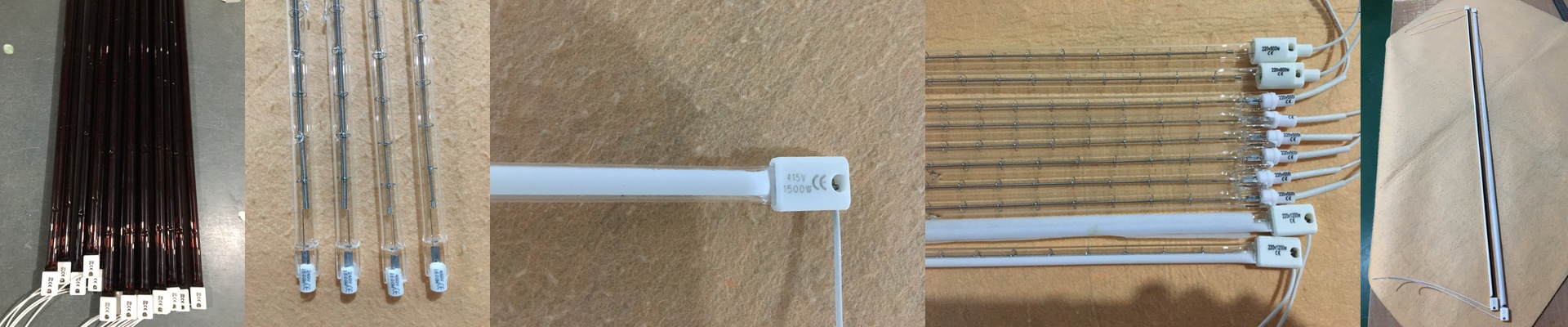
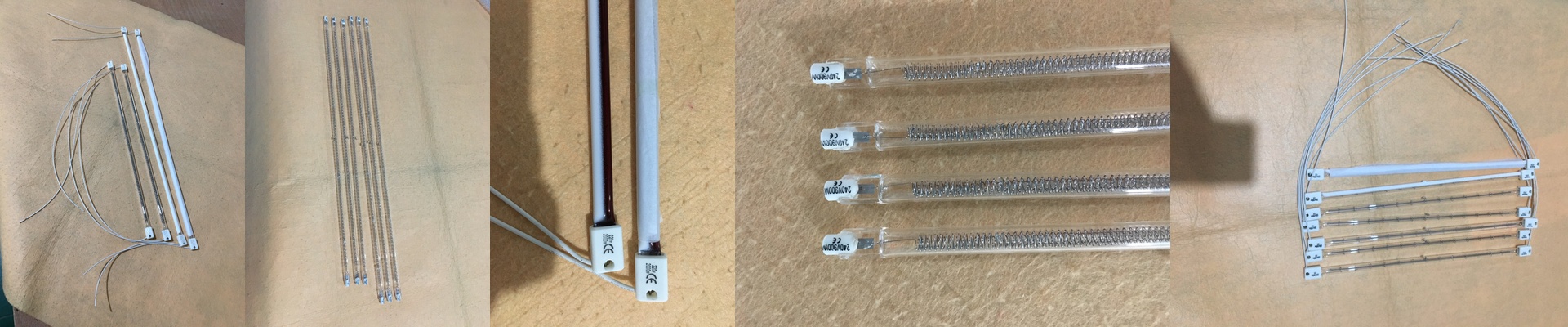
Most bulbs just warm up the air around them. That’s a waste of electricity. Our lamps use high-purity quartz and tungsten to create short-wave radiation. In plain English? The heat goesstraight to the animal. It’s a much tighter, more focused beam of warmth. Now, you can pick your wattage and voltage based on what your grid can handle. Just a heads-up: the more power you pump in, the more intense that heat becomes. You’ll need to be careful with how high you hang them. Too low, and you’ll scorch your livestock. Too high, and you lose that direct warmth. It takes a little tweaking to find the sweet spot.
Built to actually last
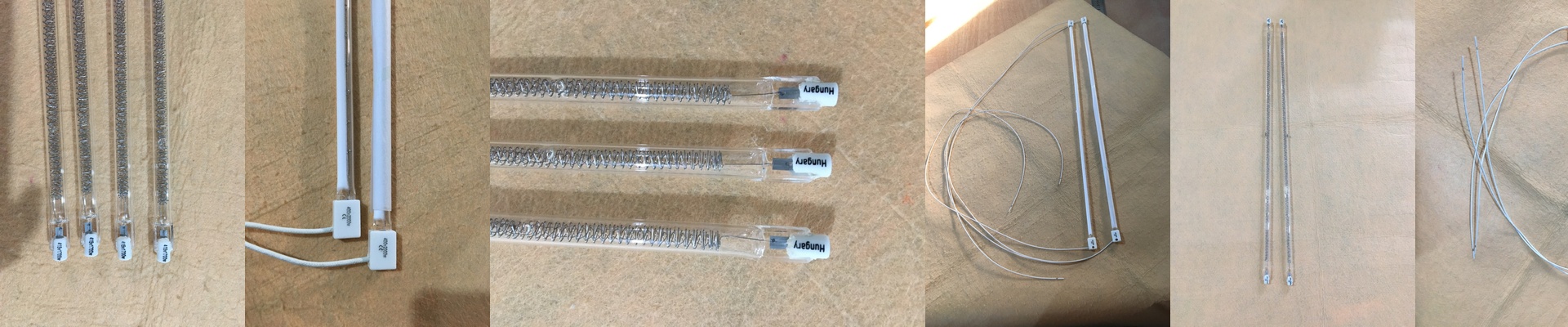
Nobody wants to be climbing a ladder to replace a burnt-out bulb in the middle of a freezing night. That’s why we use halogen-filled tubes. The halogen actually pushes the evaporated tungsten back onto the coil. This keeps the glass clear and stops the filament from snapping prematurely. It just lasts longer. As for the plugs, we use standard R7s or SK15 connections. They aren’t flashy, but they work. When a lamp finally dies, you just pop a new one in and you’re back in business. We even have coated options if you need to dim the visible light so your animals don’t get stressed out.
Getting them running
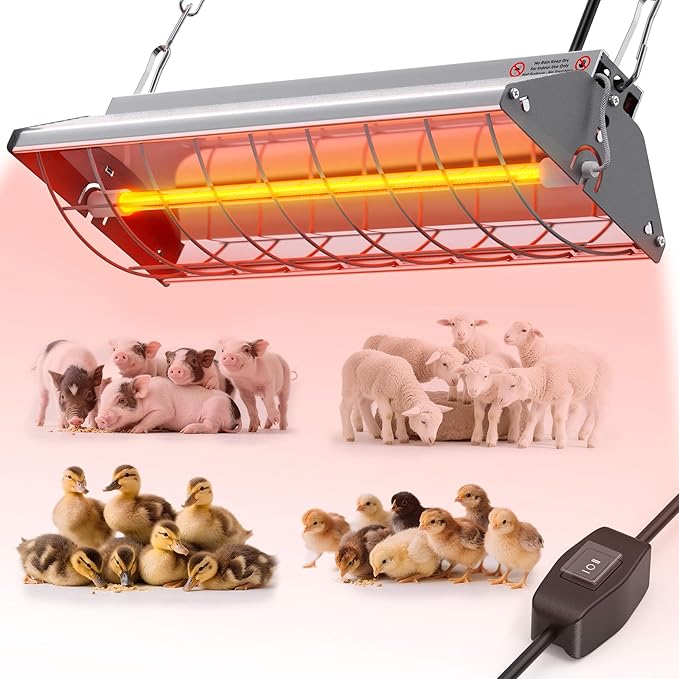
These fit right into your existing brooding setups or any custom heat boxes you’ve built in the shop. You’re getting the same heat-to-power ratio as a massive commercial facility, which helps level the playing field for the little guys. One last thing: check your electrical panel. A full bank of these lamps pulls a decent amount of amps. Make sure your wiring is up to the task so you aren’t constantly tripping breakers.