Why Quartz Beats Ceramic for Keeping Calves Warm
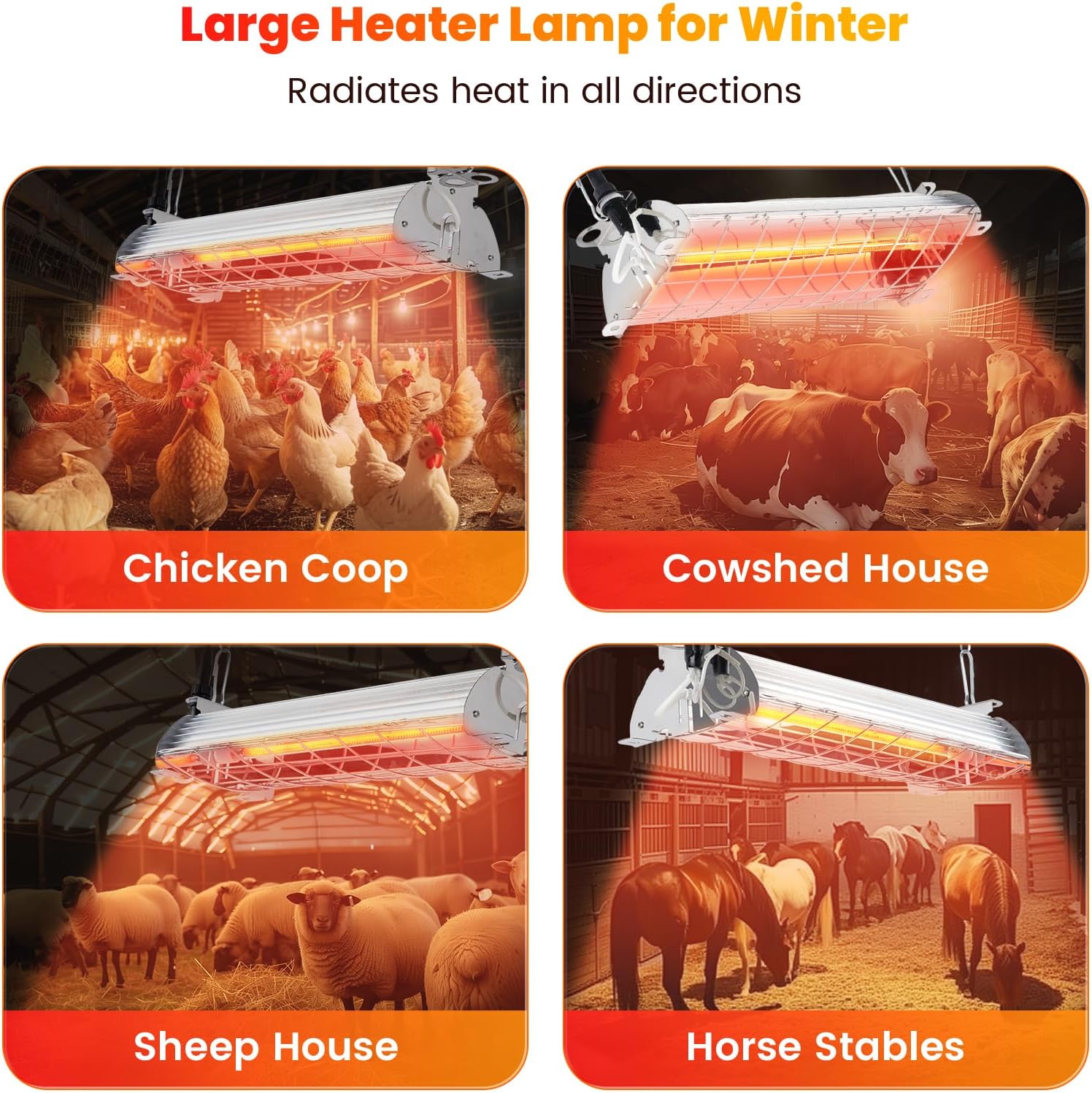
When you’re setting up heating for calf pens, you usually end up staring at two options: ceramic heat lamps or quartz infrared tubes. Now, ceramic is tempting. They’re cheap. They can take a beating without breaking. But here’s the catch—they spend way too much energy heating the air around the lamp instead of actually warming the animal.
How the heat actually works
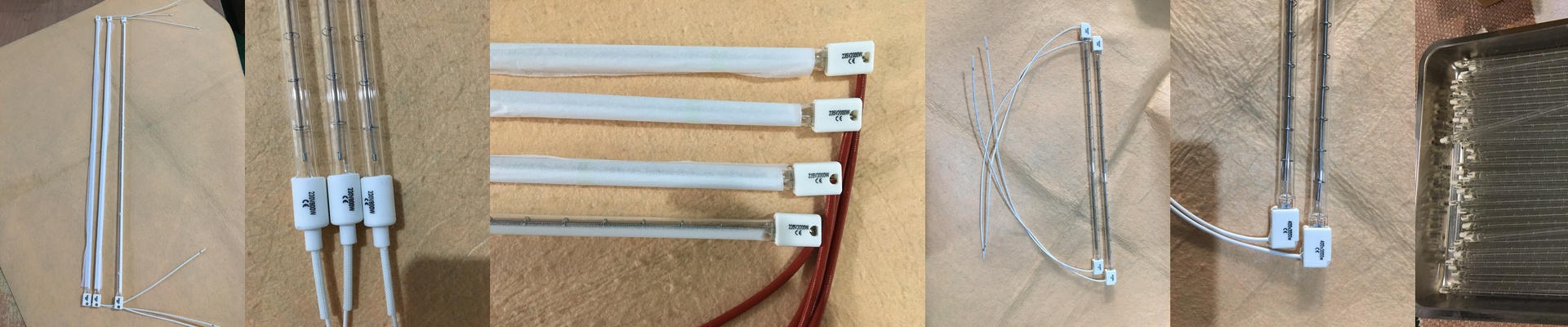
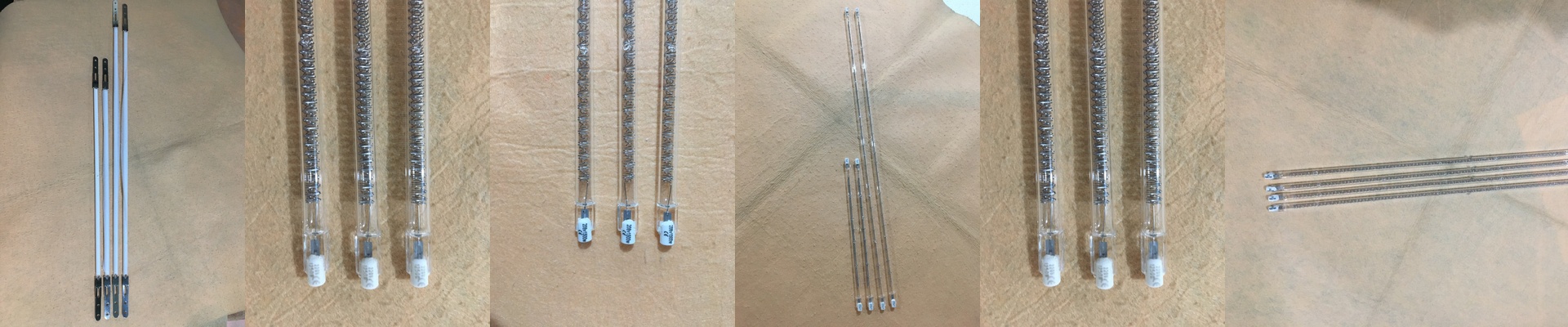
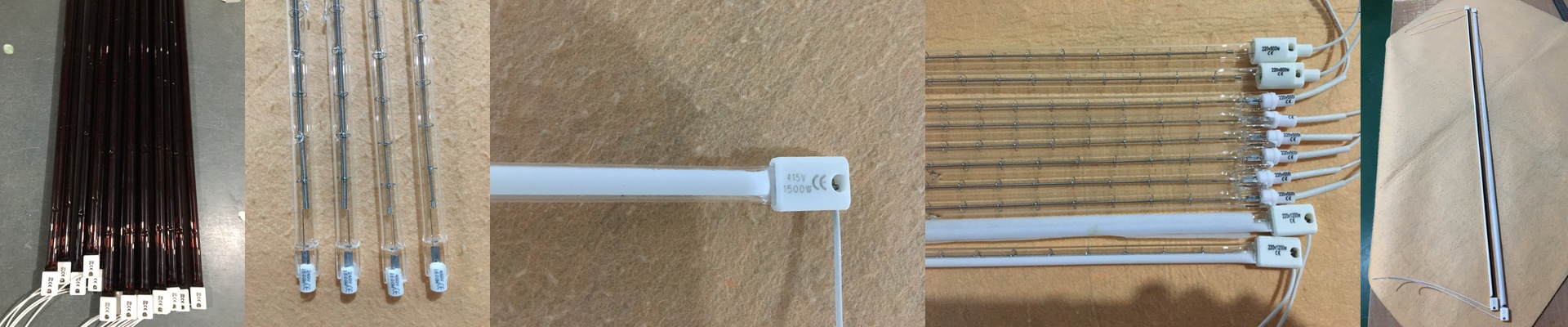
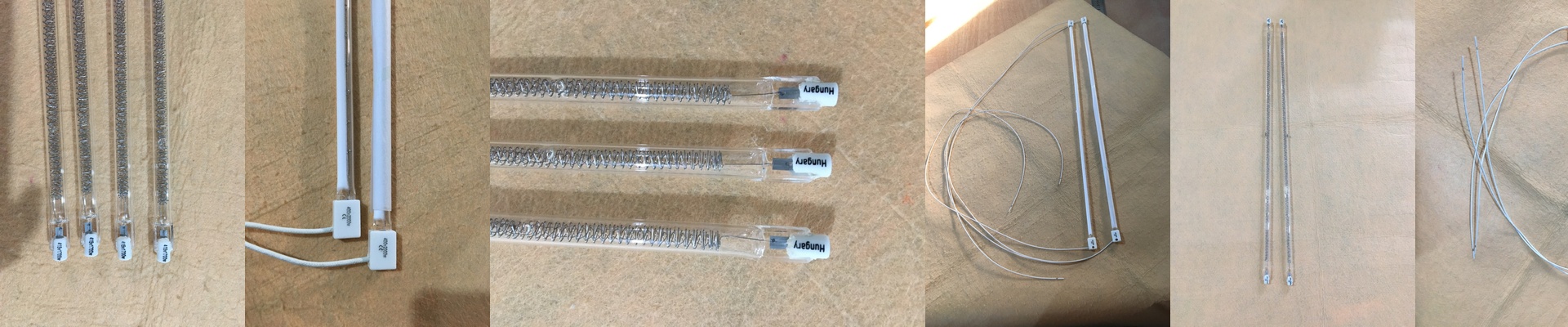
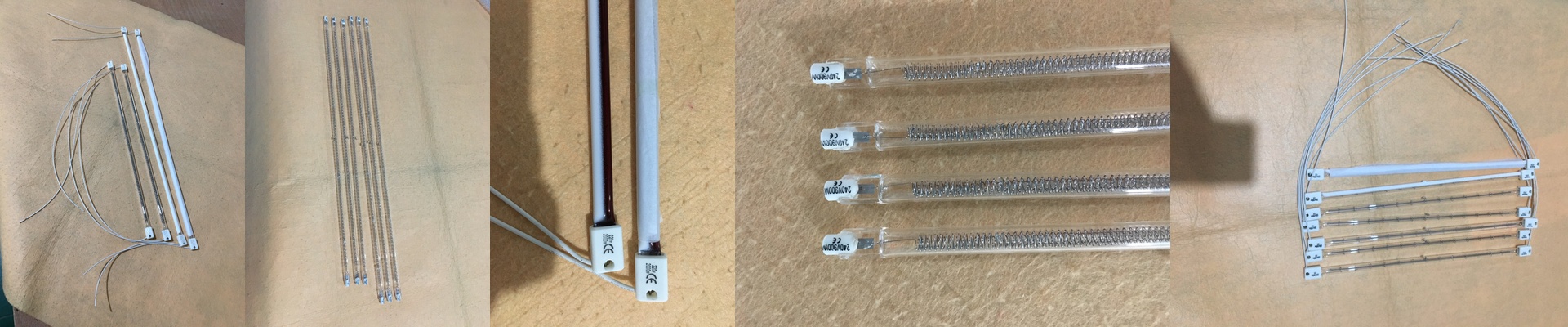
Think of ceramic lamps like a space heater. They warm the air, and then you just hope that air stays put. Quartz is different. It sends out radiation that cuts right through the air and hits the calf directly. We use high-purity quartz glass for the housing, which lets the filament get screaming hot without the lamp melting or cracking. The result? The calf feels that warmth the second they step under it. Even in a drafty barn where the wind is ripping through, the heat still gets to them.
The money talk: Upfront vs. Long-term
Let’s be honest: quartz costs more on day one. And they’re fragile. If a calf manages to smack a quartz tube, it’s going to shatter. You absolutely have to use proper guards. But there’s a flip side. Ceramic elements tend to wear out. Over time, they just stop putting out as much heat. Quartz stays steady. Plus, because the heat is so concentrated, you don’t need nearly as many lamps to cover the same area. That means your monthly electric bill actually stays manageable.
Setting it up (and a quick warning)
Getting these wired in is pretty easy. Most of our export models use standard sockets, so if a bulb pops, you just swap it out and keep moving. Just a heads-up on the power: quartz lamps hit full temperature almost instantly. That creates a big “spike” in power the moment you flip the switch. If your wiring is old or thin, you’re going to trip your breakers. Just make sure your electrical setup can handle the load before you install a whole bank of them. It’ll save you a lot of headaches.