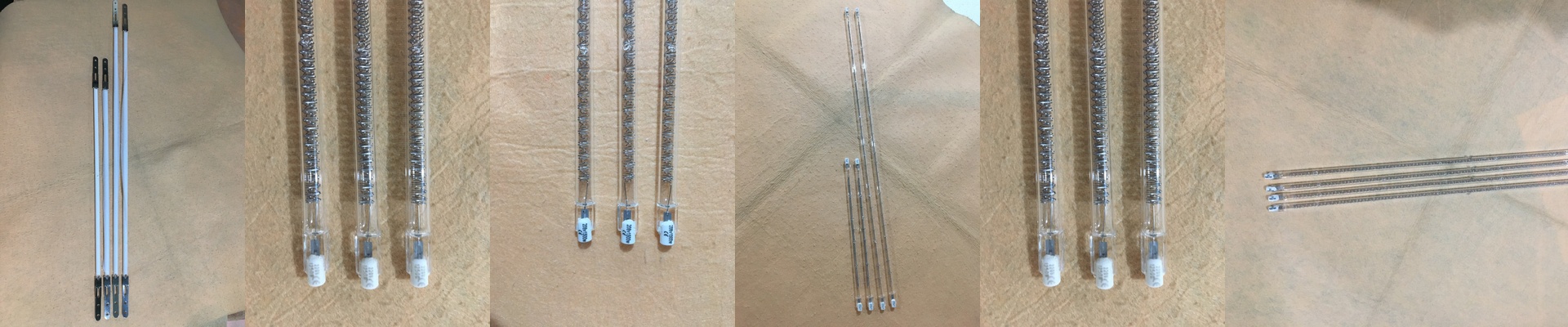
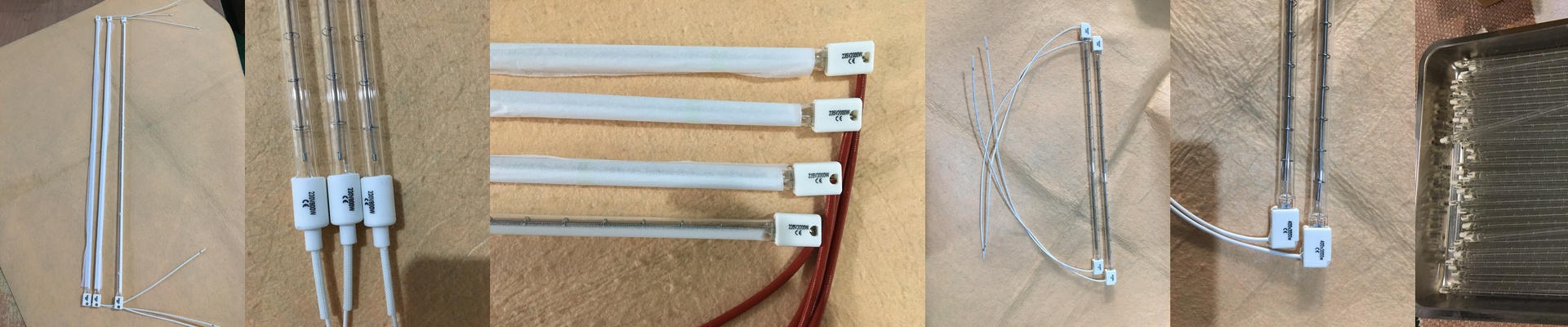
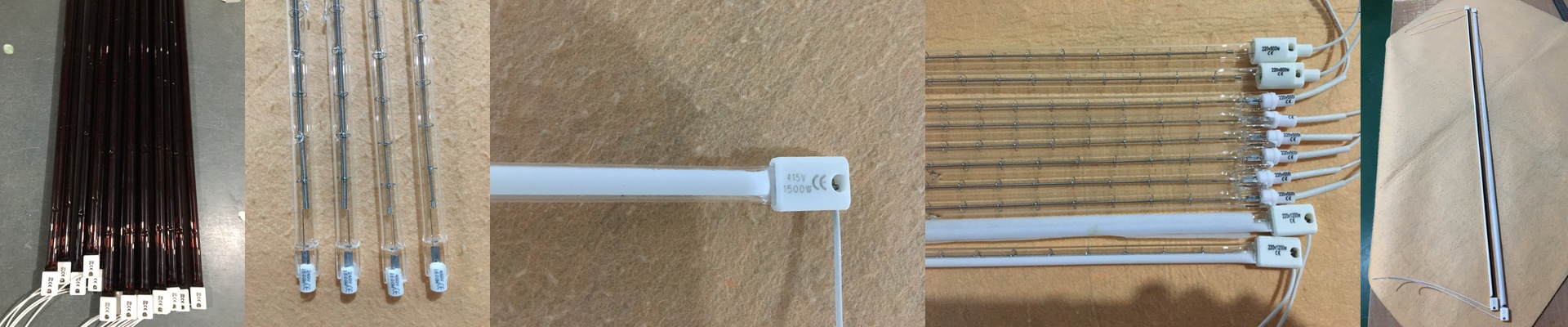
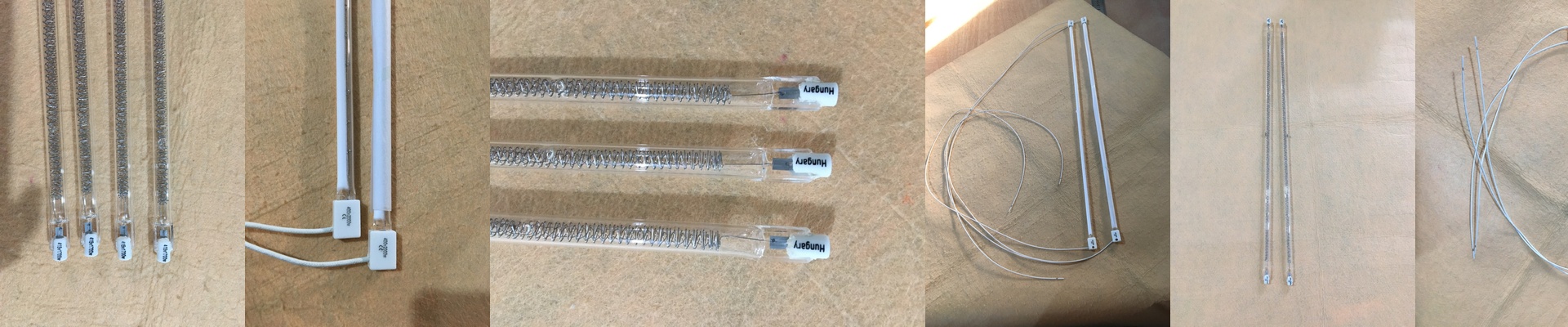
Getting Your Sidel Matrix Heaters Back in Sync
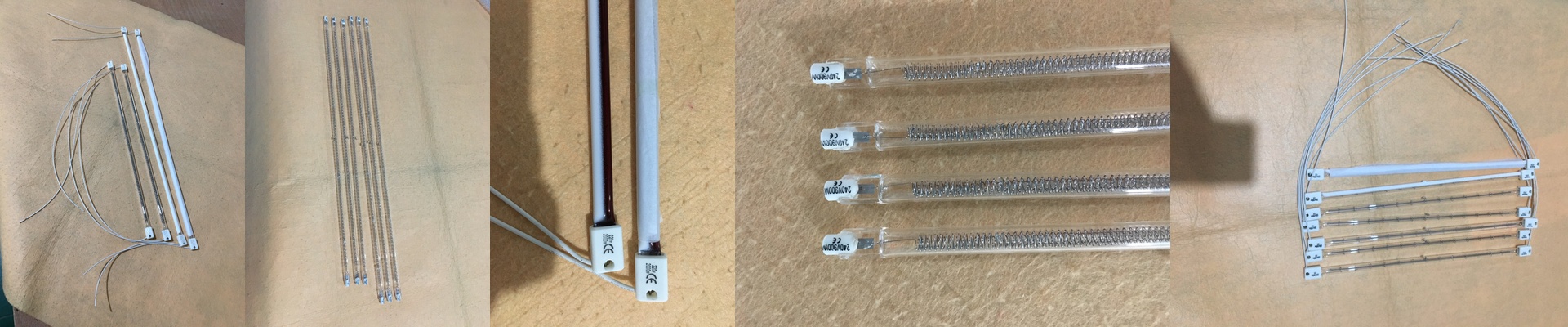
When you’re replacing a lamp in a Sidel Matrix, “close enough” just doesn’t cut it. If the wattage, voltage, or spectral output is even a little bit off, you’re going to feel it in your production numbers. We build our infrared elements to be a mirror image of the original specs. That way, you can just drop them in and keep your heating profiles exactly where they are. No guesswork.
Why the “Heat Curve” Actually Matters
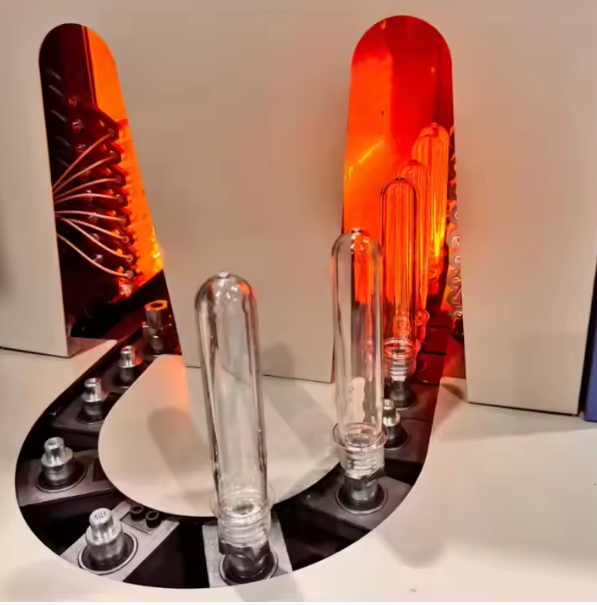
It all comes down to how much power is packed into every millimeter of that quartz tube. If the settings are off by a hair, you’ll start seeing cold spots or, even worse, burnt preforms. It’s frustrating. We make sure our elements fit the Sidel footprint perfectly so the radiation hits the PET resin at the right wavelength. The best part? You won’t have to waste your entire afternoon recalibrating oven zones or messing with conveyor speeds. It just works.
The Nitty-Gritty Stuff
We use high-purity quartz glass because nobody wants a lamp that burns out prematurely. We also keep the filaments centered with really tight tolerances—this stops those annoying arc-overs from happening. As for the plugs, we use the exact connector footprints the Matrix series needs. Whether you’re dealing with a standard R7s or something more specialized, it wires up without you having to modify a thing.
A Quick Reality Check
Here’s the thing: high-wattage IR lamps put out a ton of heat. That’s great for fast cycle times, but it’s tough on your reflectors. If your reflectors are pitted or oxidized, even the most perfect lamp in the world is going to struggle. It’s like trying to shine a flashlight through a dirty lens. Check your reflectors while you’re swapping the lamps. If the light isn’t bouncing back into the preform, you aren’t getting the heat you paid for. Our lamps keep a steady output from one end of the tube to the other. You can stop “tuning” the machine to make up for cheap, inconsistent elements.