Making Heat Lamps That Actually Survive the Barn
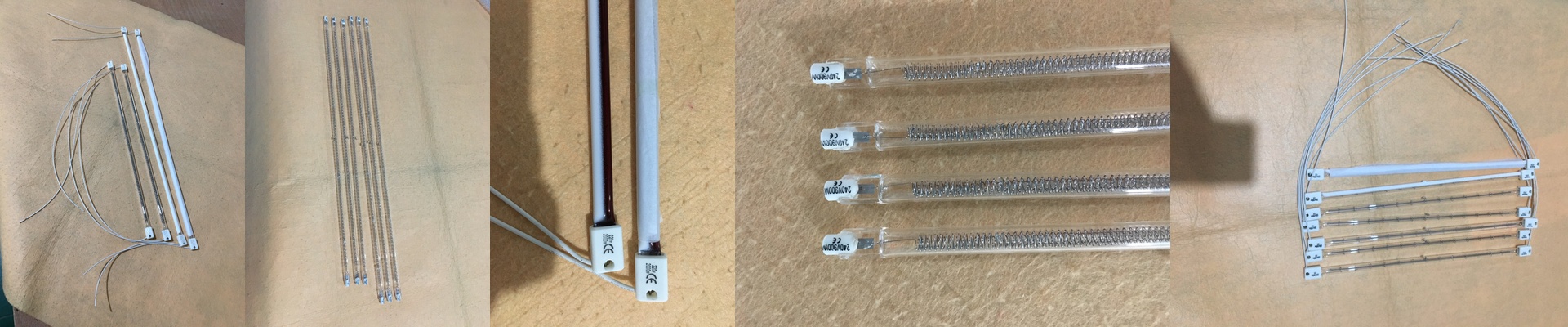
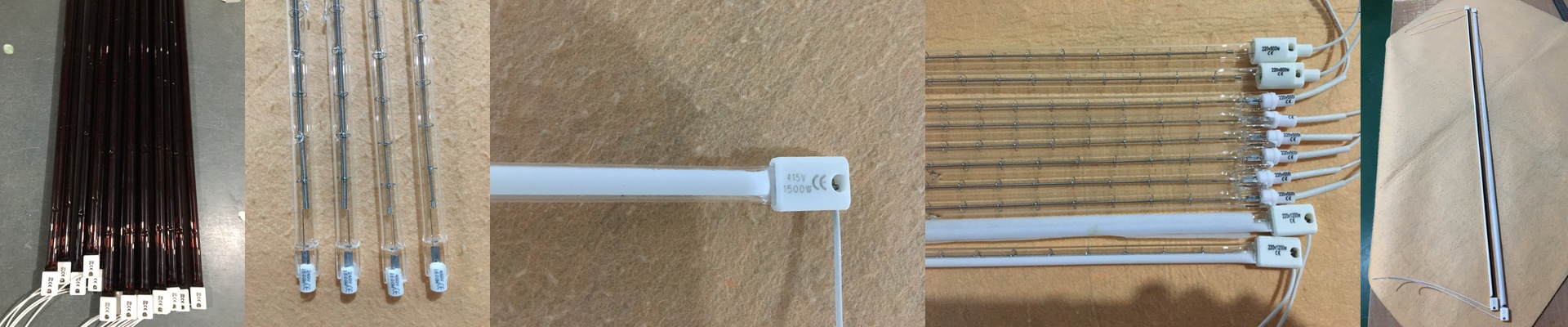
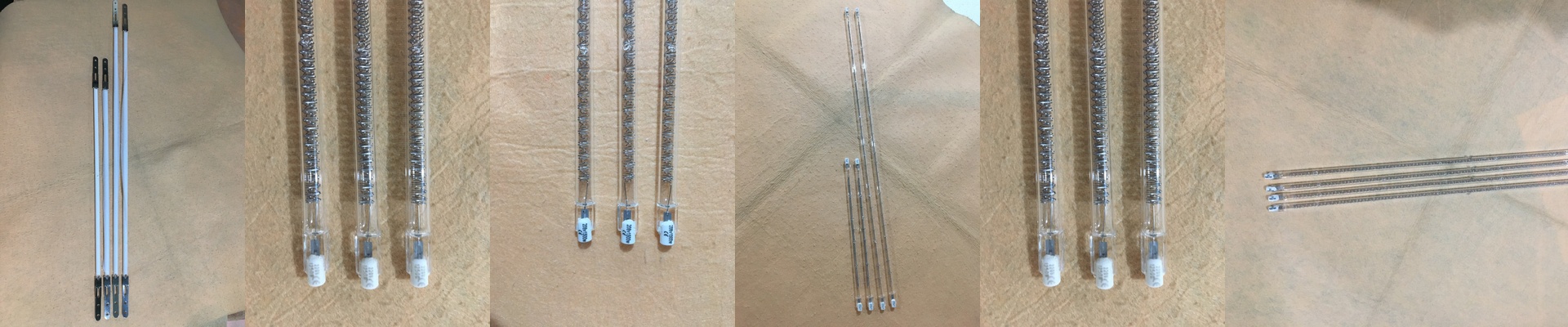
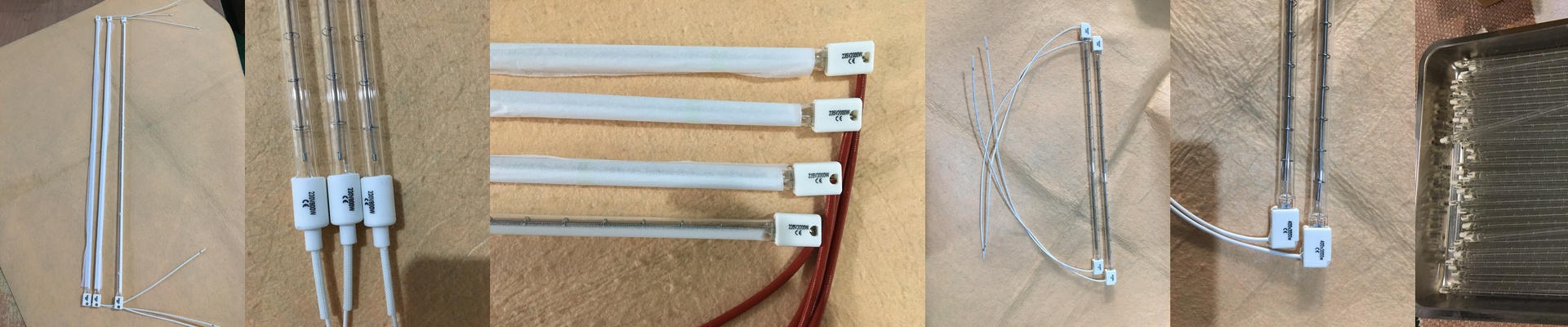
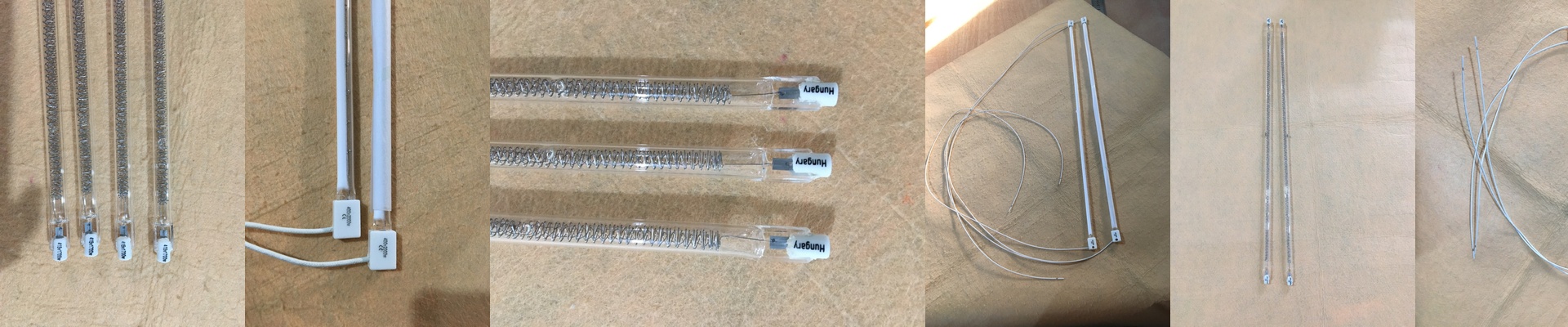
Let’s be honest: barns are absolute killers for electronics. Between the ammonia fumes and the constant dampness, most wiring just gives up. It rots, it cracks, and then it stops working right when your livestock needs the heat most. We got tired of seeing lamps fail, so we tore ours apart and rebuilt them. We focused on the two spots where things usually go south: the wires and the seals. The Wiring Most lamps use basic PVC or rubber jackets. In a real barn, those turn brittle and peel away. It’s a recipe for a short circuit. We swapped those out for high-grade, corrosion-resistant conductors. They don’t care about the chemicals in livestock waste. They stay flexible. They stay intact. That means moisture doesn’t creep in where the wire meets the quartz, and your lamp doesn’t burn out prematurely. The Seal Here is the thing about seals: if there’s even a tiny leak, the lamp is toast the second it heats up. We changed how we seal these. We’re using a tighter compression fit and heat-stable sealants to keep the halogen gas inside and the gunk outside. Plus, we made the whole thing tougher. Cattle farms are loud and messy—things get bumped and shaken. These lamps are built to take that kind of beating without cracking. A Quick Heads-Up These upgrades mean you aren’t climbing a ladder every few weeks to swap out a dead bulb. It’s a “set it and forget it” kind of deal. But a word of advice: the lamp is protected, but your hardware might not be. Make sure your mounting brackets are galvanized or stainless steel. Because if your brackets rust through and fall, it doesn’t matter how great the seal is—the lamp is still hitting the floor. We didn’t design this in a sterile lab. We built it for the shop floor and the mud of a real farm.