
Stop Overpaying for Piglet Heat
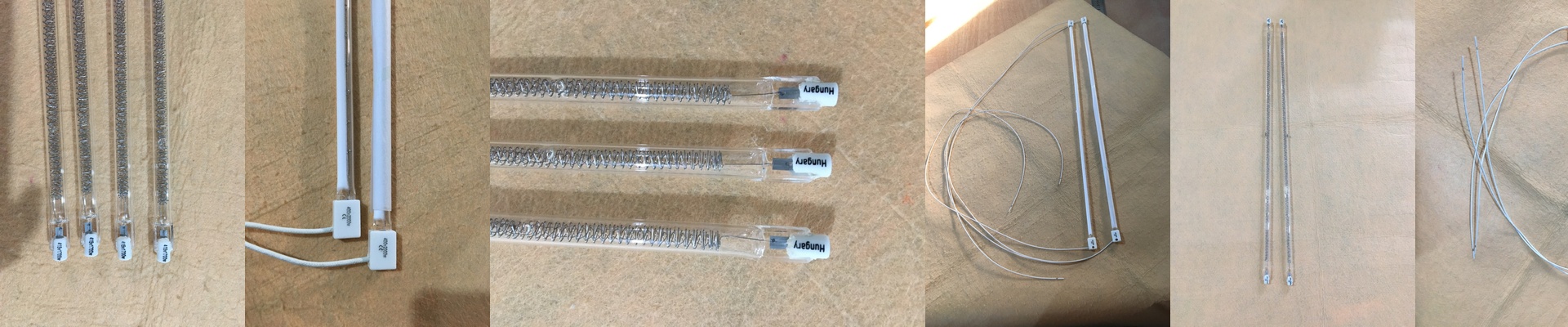
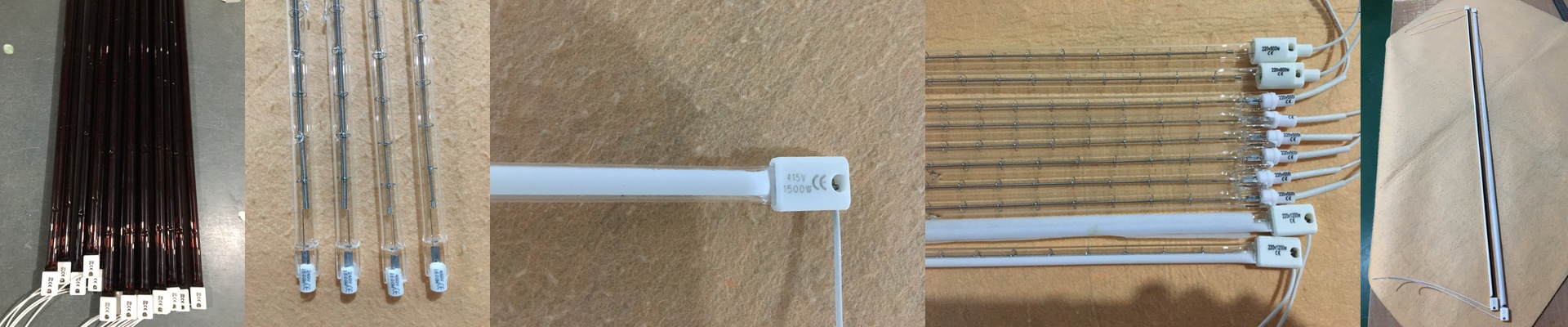
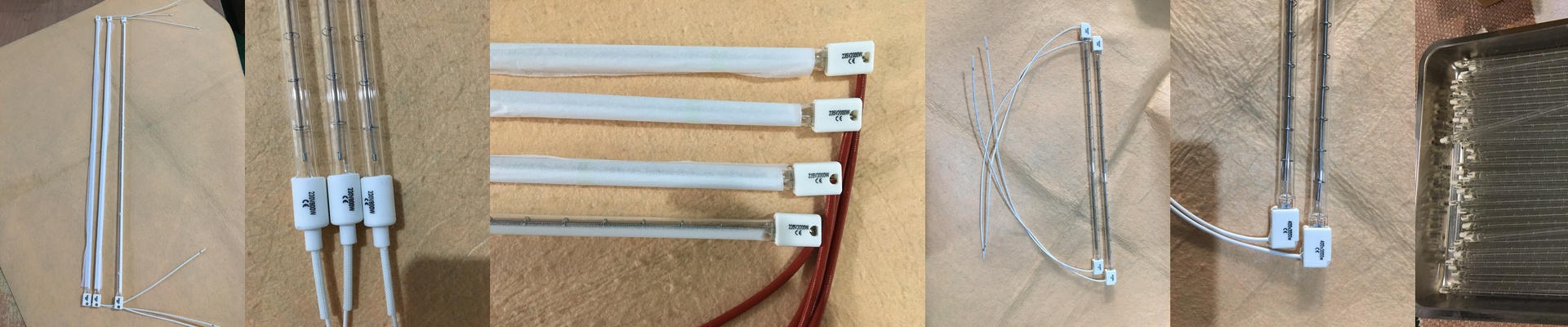
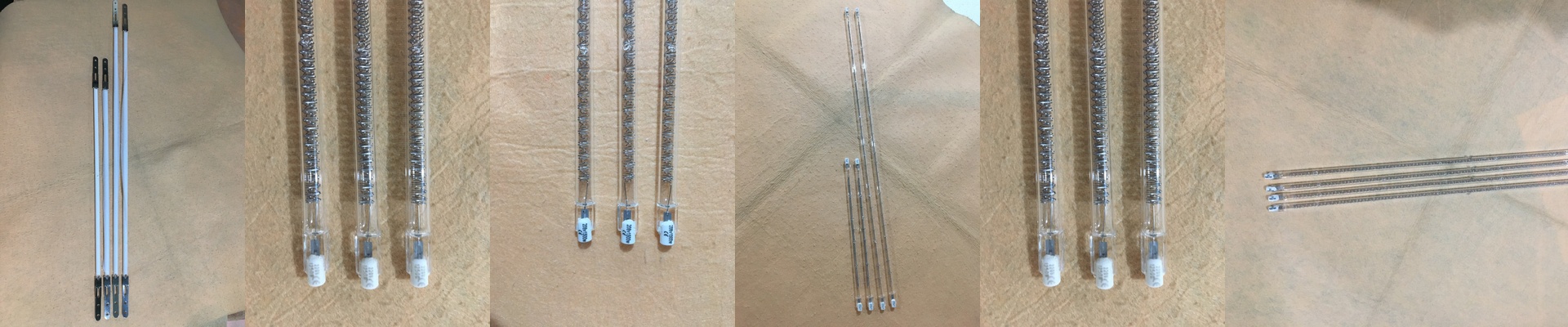
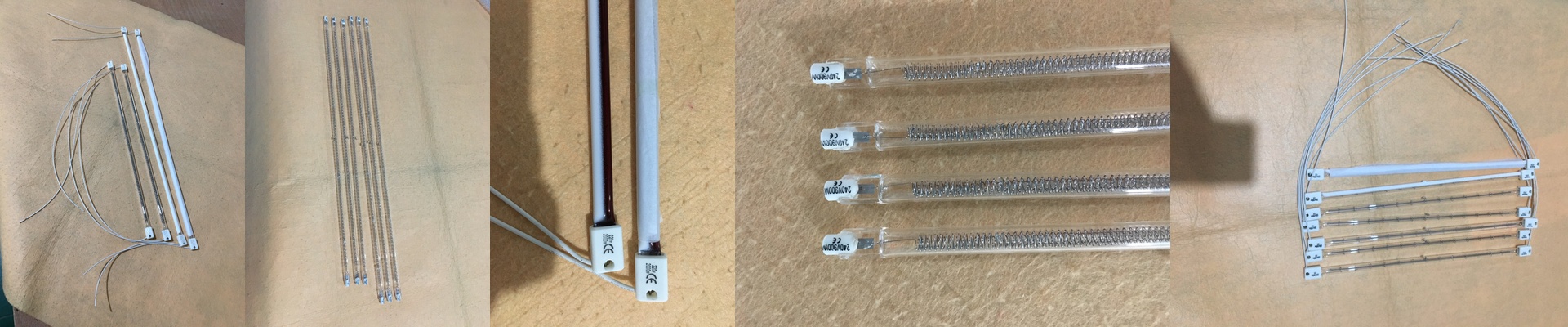
Let’s be honest: most of the big-name infrared lamps for livestock are overpriced. You aren’t paying for better heat; you’re paying for a logo. We decided to cut that out. By working directly with the factory, we get the exact same quartz glass and tungsten filaments the “premium” brands use. But we sell them at a price that actually makes sense when you’re trying to outfit a whole farm.
How the heat actually works
Piglets are fragile. If they get a chill, you’ve got a real problem on your hands. We use short-wave infrared because it doesn’t waste time trying to warm up the air in the room. Instead, it sends the heat straight to the animal. It’s way more efficient, especially when you’ve got drafts blowing through the barn. And a quick tip on the glass: we use high-purity quartz. Why? Because cheap glass cracks. The second a cold breeze hits a hot element, low-grade tubes snap. Ours don’t.
No-nonsense setup
Nobody wants to spend their entire weekend rewiring a pen. That’s why we kept the connectors standard. You can just drop a new lamp in and get back to work. We also spent a lot of time tweaking the filament thickness and the gas fill inside the tube. It means the lamps can handle a constant load without burning out every few weeks. It just works.
The “Gotcha” (and how to fix it)
Here is the thing: infrared heat is powerful. If you hang the lamps too low to try and save a few cents on the power bill, you’re going to scorch your pigs. Too high, and the heat vanishes before it ever reaches them. It’s a balancing act. The only way to actually see a return on your energy spend is to get the spacing right. We give you the raw specs, and you adjust the height based on how your specific barn breathes.