Ditching the Coal Boiler for Infrared
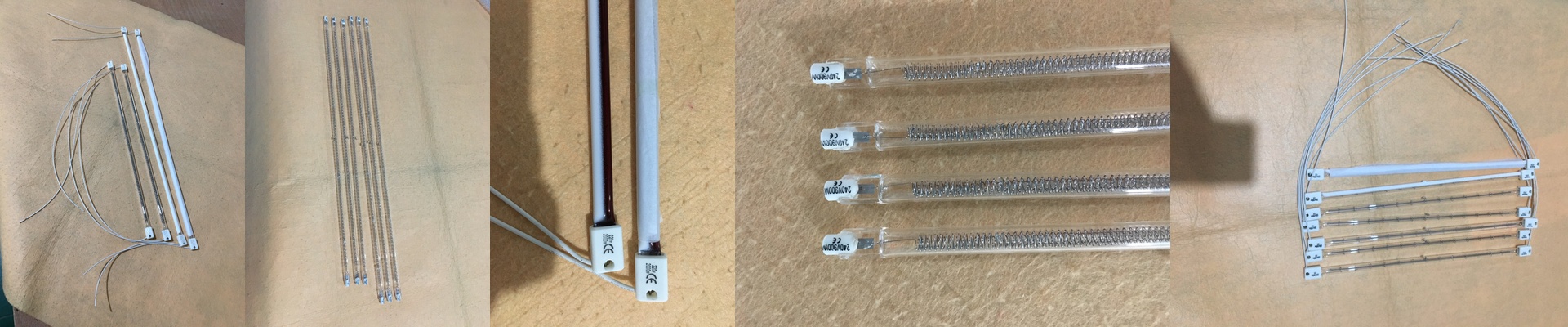
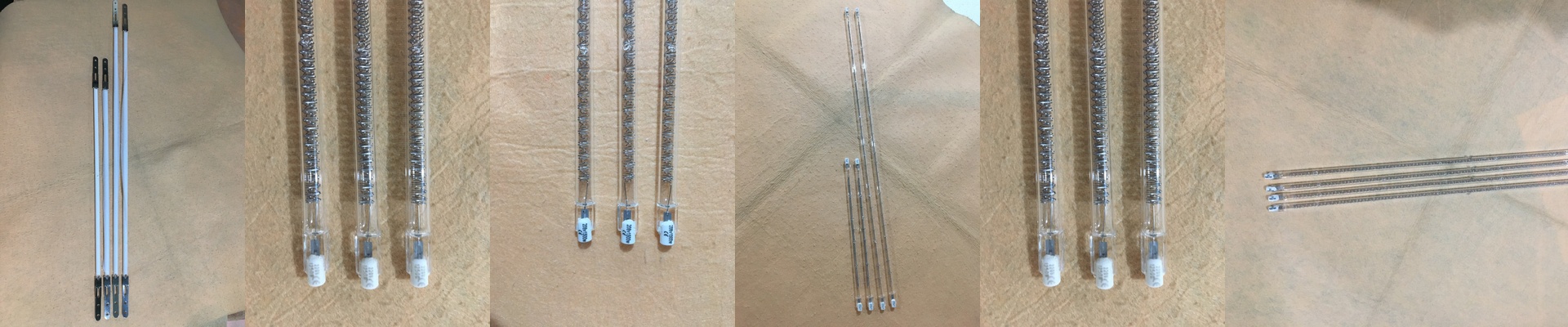
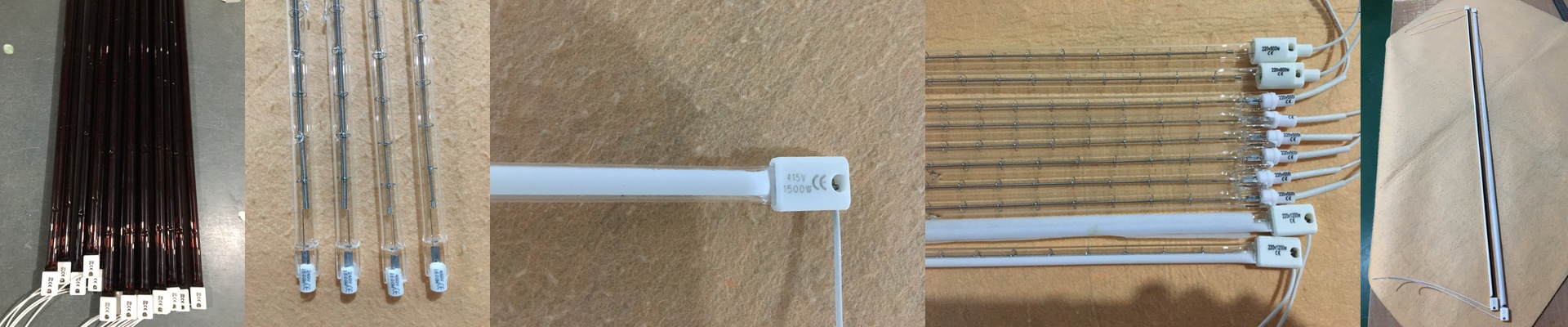
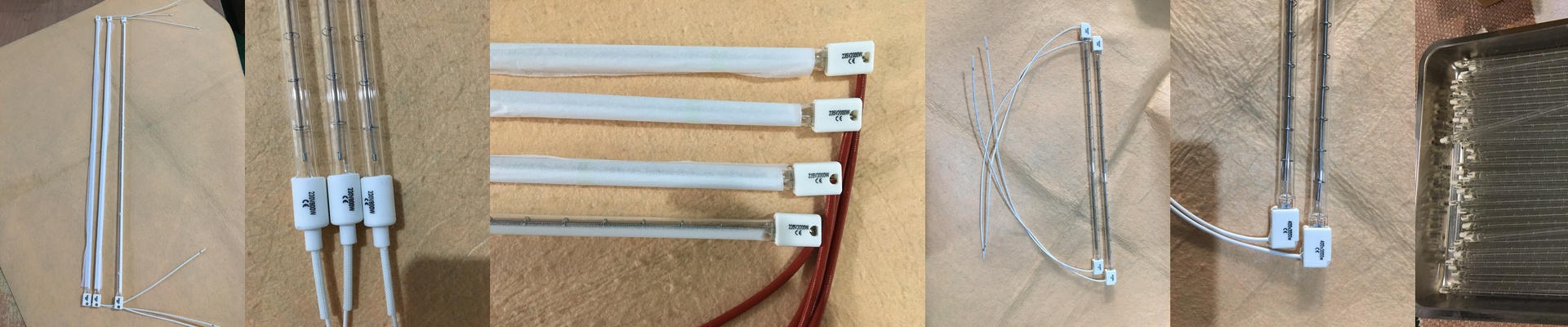
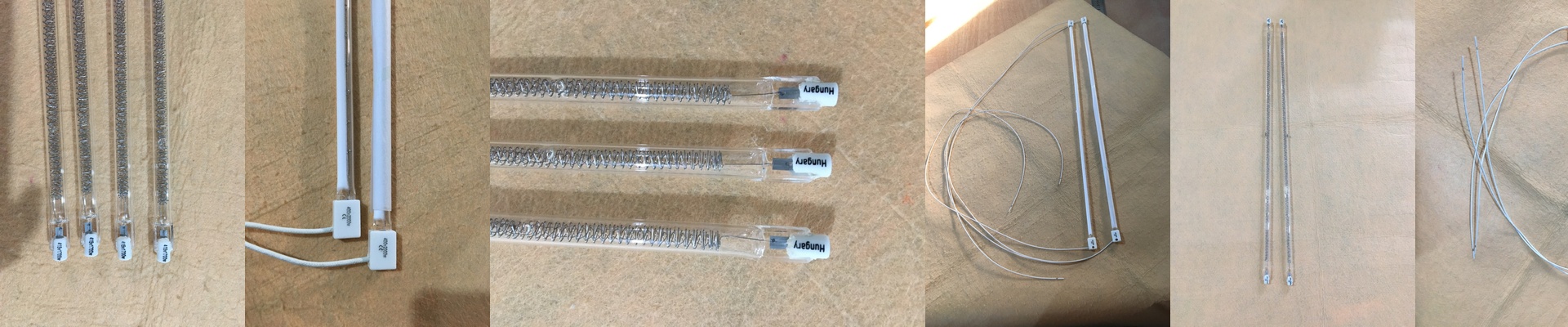
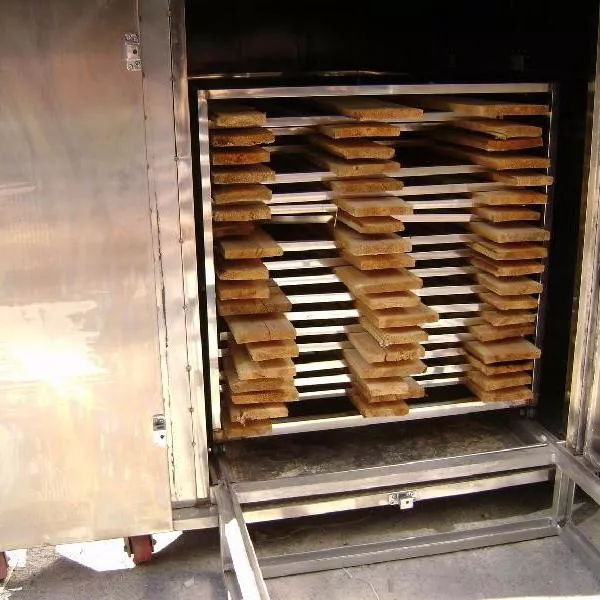
A lot of wood plants are still stuck with those old coal-fired boilers for drying and curing. Let’s be honest: they’re massive, they leak heat everywhere, and they’re a pain to maintain. But we’re starting to see a real move toward OEM infrared heating. It’s a cleaner way to work, and it gives you a lot of your floor space back. Why infrared actually works Think about how a coal boiler works. It heats the air, and then the air has to heat the wood. It’s a slow, roundabout process. Infrared lamps just skip the middleman. They send short-wave radiation straight into the wood fibers. It’s direct. It’s fast. And because the moisture leaves the wood quicker, your whole cycle time drops. Getting the specs right If you’re moving to an electric system, you can’t just plug it in and hope for the best. You’ve got to get your power draw sorted first. We usually go with high-wattage quartz tubes to get the kind of heat density a boiler provides. We also design these for industrial voltages—mostly so we can keep the current low and make sure you aren’t burning out your wires. Here’s the tricky part: you have to balance the lamp length and wattage with how fast your conveyor is moving. If the lamps are too hot and the line is too slow, you’ll scorch the timber. Too weak? And the core of the wood stays damp. It’s all about finding that sweet spot. The reality of the switch I won’t tell you it’s a magic fix. It’s a trade-off. You’re swapping fuel for electricity. That means your electrical panel needs to be able to handle the peak load without tripping. You’ll also be trading coal smoke and ash for high-intensity heat zones. You can’t just leave those open; you’ll need solid shielding so your team isn’t feeling the radiation while they work. What it does for your day-to-day The best part? Control. With a modular infrared array, you can flip the heat on and off instantly. No more idling a massive boiler for hours just to keep it ready. It’s precise. It cuts down on waste. Plus, since you’re slashing your onsite carbon, getting that “Green Factory” certification becomes a lot easier.