Stop Heating the Air: A Smarter Way to Dry Wood
Let’s be honest—getting rid of coal-fired boilers isn’t just about checking a box for some carbon target. It’s actually about common sense. Think about how a coal boiler works. You’re basically heating up the entire factory’s air just to dry a few pieces of timber. It’s a waste. Infrared (IR) is different because it ignores the air and goes straight for the wood.
How it actually works
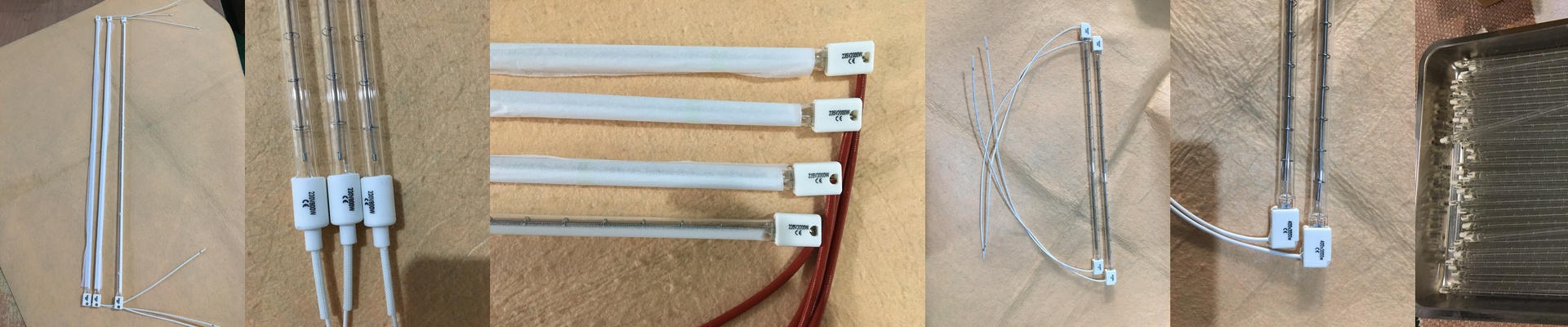
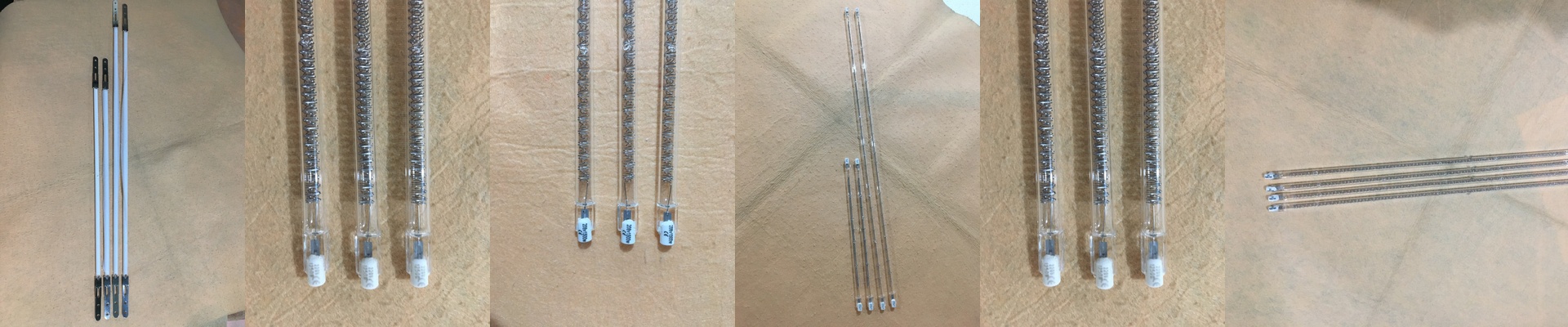
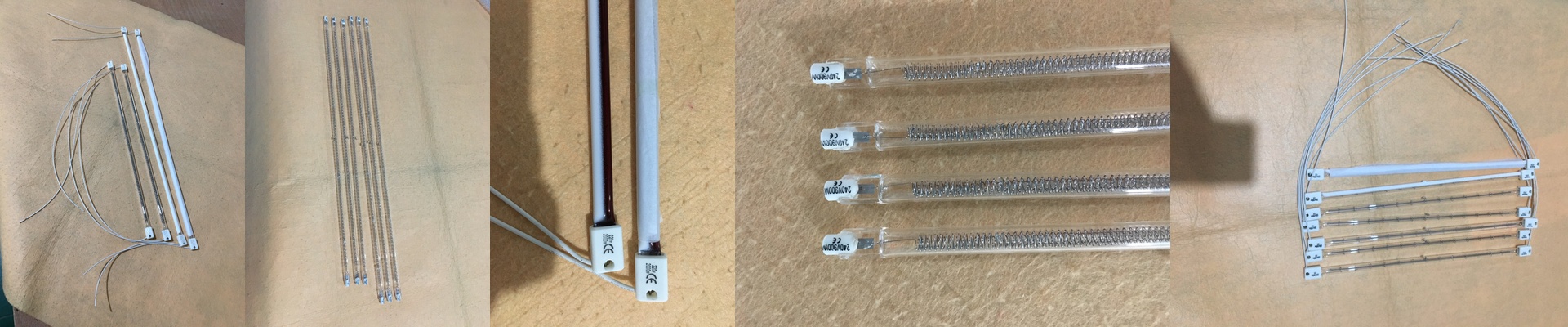
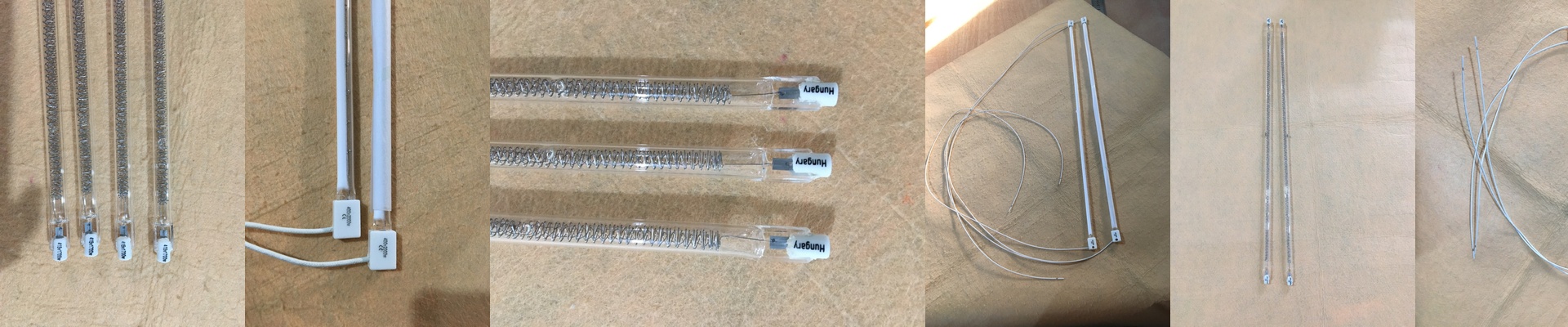
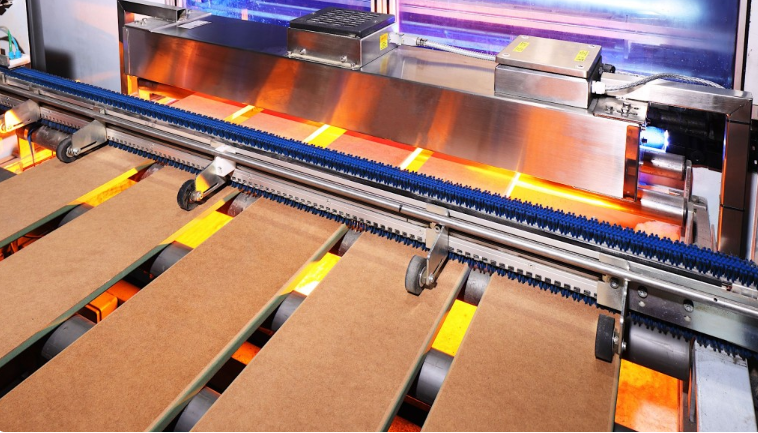
Old-school boilers rely on convection. You burn fuel, heat water, push steam through pipes, and then blow hot air. You’re losing heat at every single turn. With shortwave or medium-wave IR lamps, you skip all that. The lamps send out radiation that sinks right into the wood. It makes the water molecules inside the timber vibrate, which creates heat from the inside out. It’s faster. Much faster.
The nuts and bolts of the switch
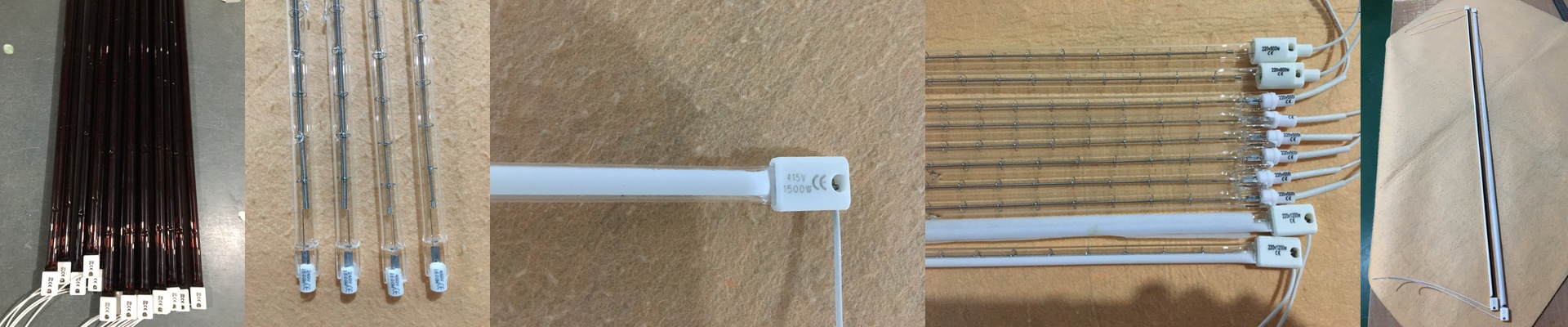
If you’re moving to electric IR, your electrical panel is going to feel the hit. Swapping a 10-ton boiler for an IR array is a big jump in power. You’ll likely need to move to 380V or 400V three-phase power. If you don’t, you’ll deal with massive voltage drops across your cables, and nothing will work the way it should. But here is the upside: your floor plan opens up. You can get rid of that massive boiler room and the dusty coal pile. In its place, you get a modular heating tunnel. I always suggest zoning your heaters. If you split the array into sections, you can tweak the heat as the wood moves down the line, giving you way more control.
The trade-offs (because nothing is perfect)
Electric IR is cleaner, sure. But it puts a lot of pressure on your grid. Depending on where you are, your power bills might actually jump compared to when you were using cheap coal. Then there are the lamps. They aren’t forever. These tubes eventually burn out. You’ve got to stay on top of a maintenance schedule to swap them before they start flickering or losing power. If you ignore it, you’ll start seeing inconsistent moisture levels across your batches, and that’s a headache you don’t want. But at the end of the day, it’s simple: stop heating the air. Just heat the wood.