Stop Your Wood Floor Curing Lamps From Blowing Out
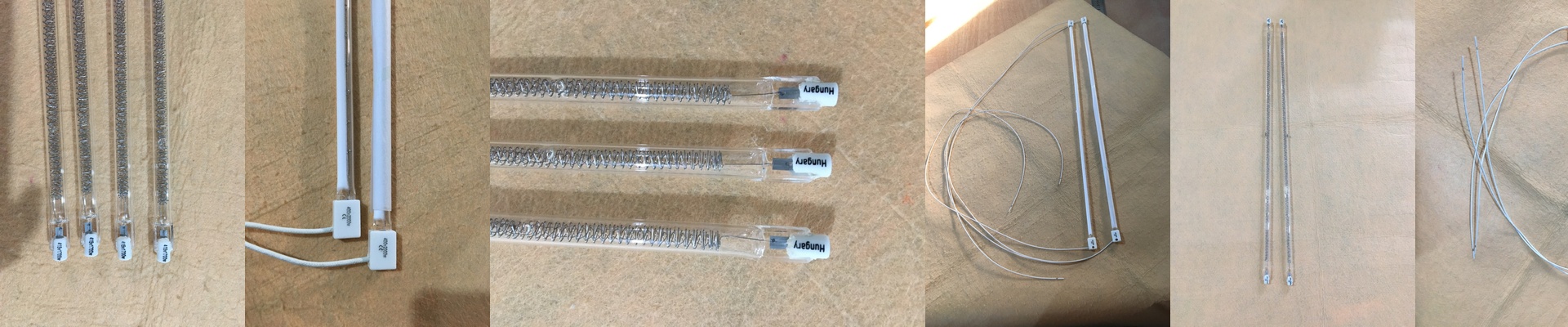
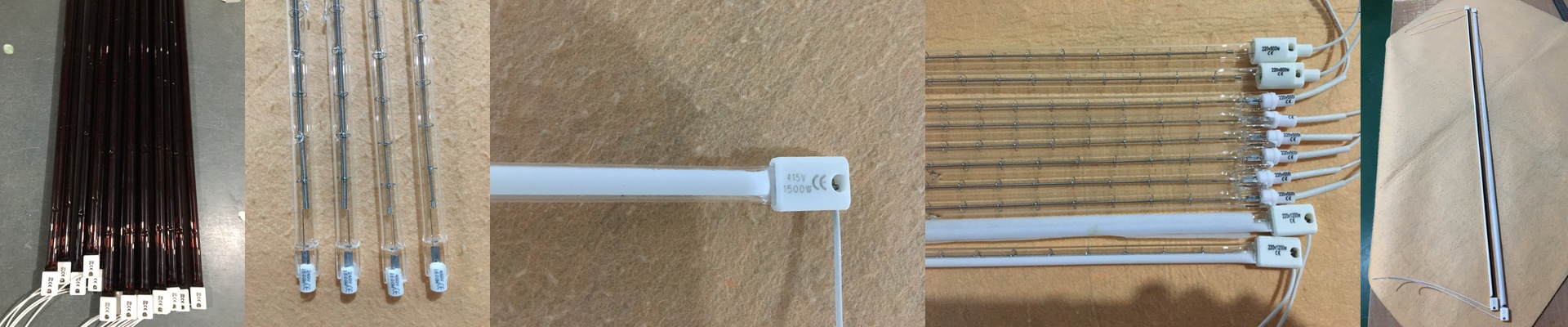
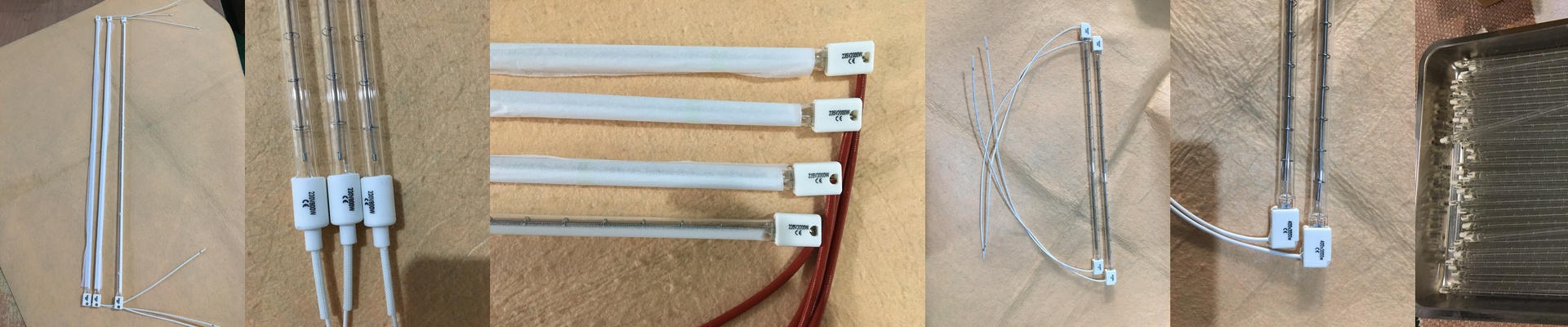
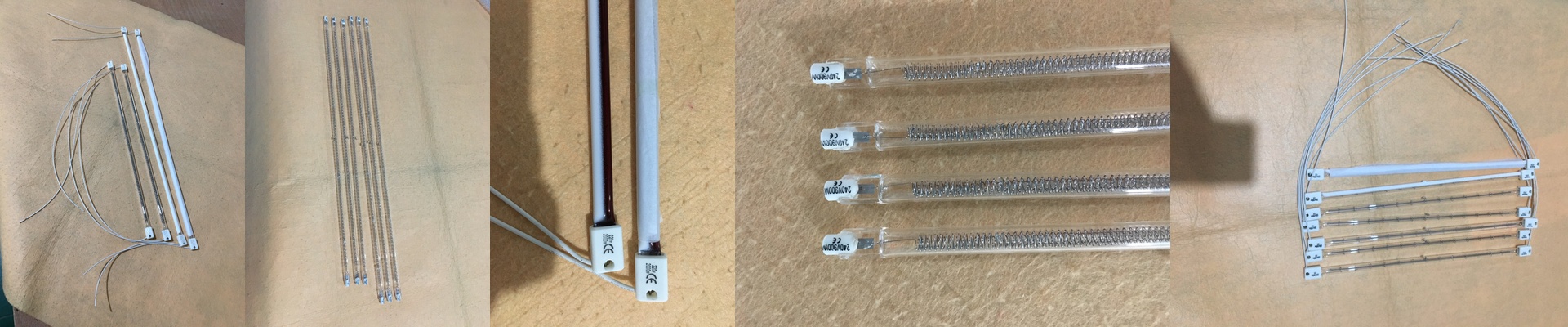
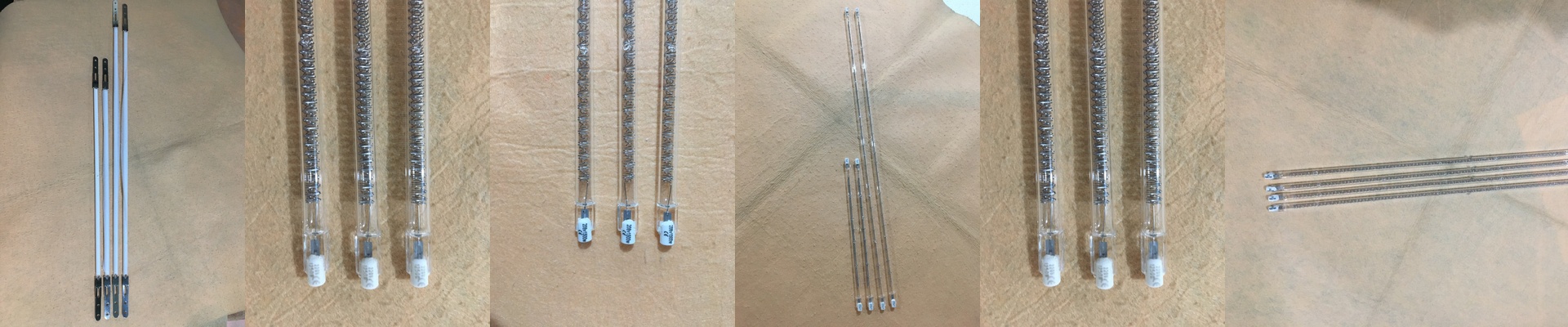
If you’re running your curing lines at high heat, you know the headache of a burst lamp. It’s a nightmare. One minute everything is humming along, and the next, you’ve got a shattered quartz tube and a line that’s gone dead. Usually, it comes down to two things: the glass can’t handle the sudden heat jump, or a voltage spike just pushes it too far. We’ve spent a lot of time making sure our lamps don’t do that. Dealing with the heat We use high-purity fused quartz for the tubes. Why? Because it doesn’t freak out when the temperature swings. You can go from room temperature to 800°C in a heartbeat and the glass just holds. But the glass is only half the battle. If the filament inside starts to sag or get “spotty,” you get these intense hot spots that can pop the tube. We’ve tweaked the internal halogen cycle to keep the tungsten right where it belongs—on the filament—instead of letting it bake onto the walls. It’s all in the fit A lamp is only as good as how it’s held. If it’s rattling around in the oven, you’re asking for trouble. Tiny vibrations lead to micro-fractures right where the tube is sealed. That’s why we use reinforced end-caps and connectors that are machined to be exact. No gaps. No wiggle room. We also tightened up the electrical contacts to stop that annoying arcing that usually burns out the ends of the tube. The trade-off Here’s the catch. To get those fast cure times wood flooring needs, you need a lot of wattage in a small space. That puts a massive strain on your power. If your voltage jumps or drops by more than 5%, you’re playing Russian roulette with your filaments. To keep these things alive, you really need a stabilized power source. It’s just safer. These lamps are built for the grind. They can take a beating in a loud, dirty industrial shop. Just keep your reflectors clean and your airflow steady, and they’ll keep on glowing.