Introduction
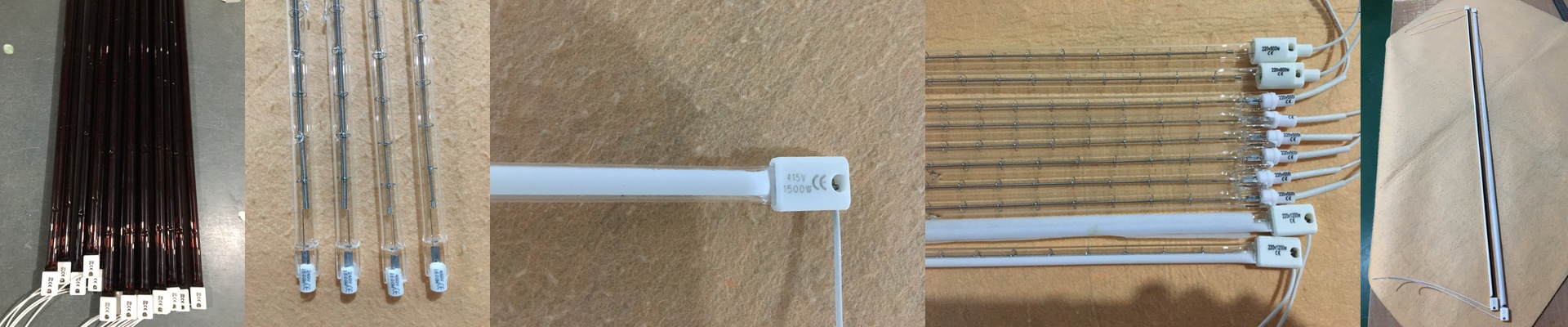
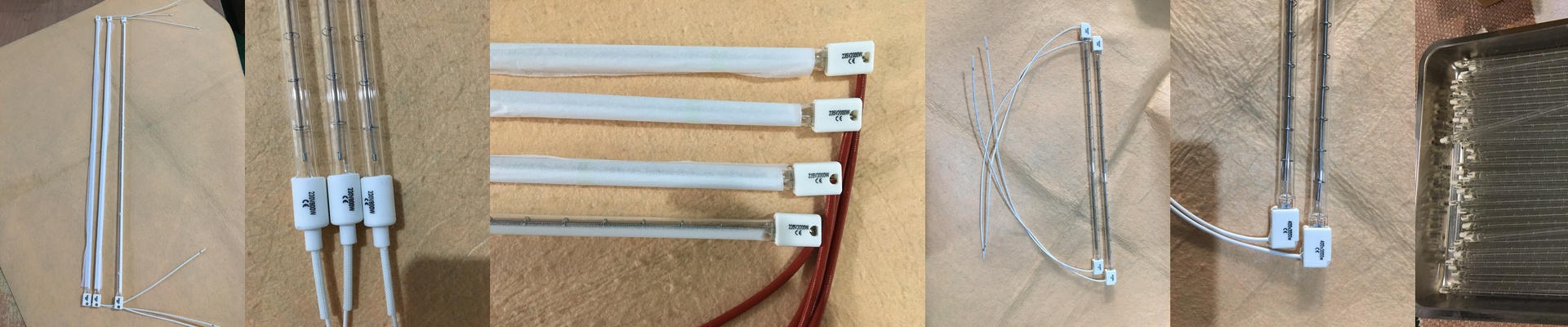
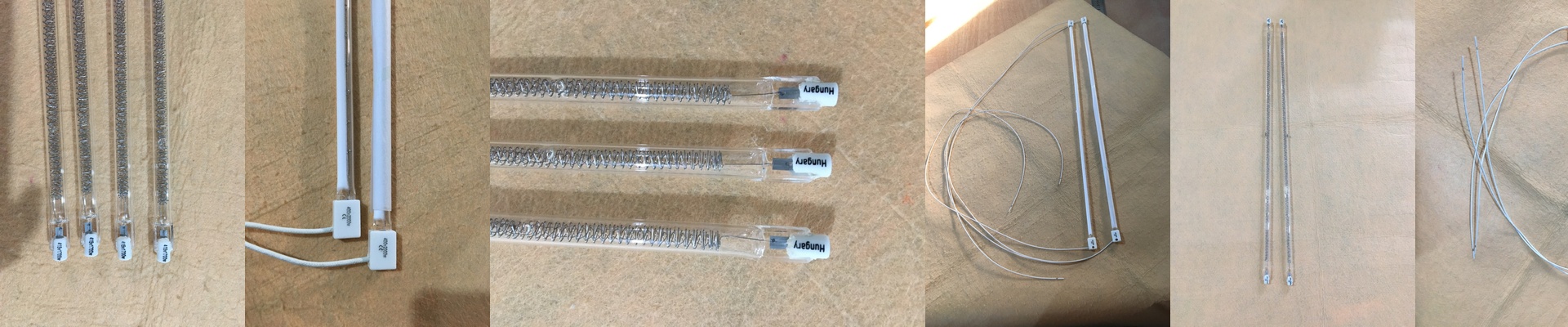
So, we built this 560mm halogen heating lamp for one reason: to be the heat source you need for industrial ink drying. It runs on 400V and packs 1500W of power, giving you a steady blast of infrared heat right where you need it—fast, focused, and reliable. And the best part? It’s made to slide right into your existing setup. No messing with the machine layout. Just plug it in and get to work.
Let’s talk about the power and the size
That 1500W at 400V? It wasn’t picked at random. Here’s the thing: running at 400V keeps the current lower than a 230V version would at the same wattage. That means less voltage drop over long wire runs and fewer energy losses in the line. And the 560mm length? That gives you a long, even stretch of heat. So you can cover a wide print path without worrying about hot spots. Plus, since it runs on 400V, you can often connect it straight to the main industrial power. Makes the cabinet design simpler, which is always a win. Just keep this in mind: higher voltage means you need to be serious about insulation and safety clearances in the terminal box. So, yeah, a rated enclosure and proper strain relief are non-negotiable.
What’s going on inside?
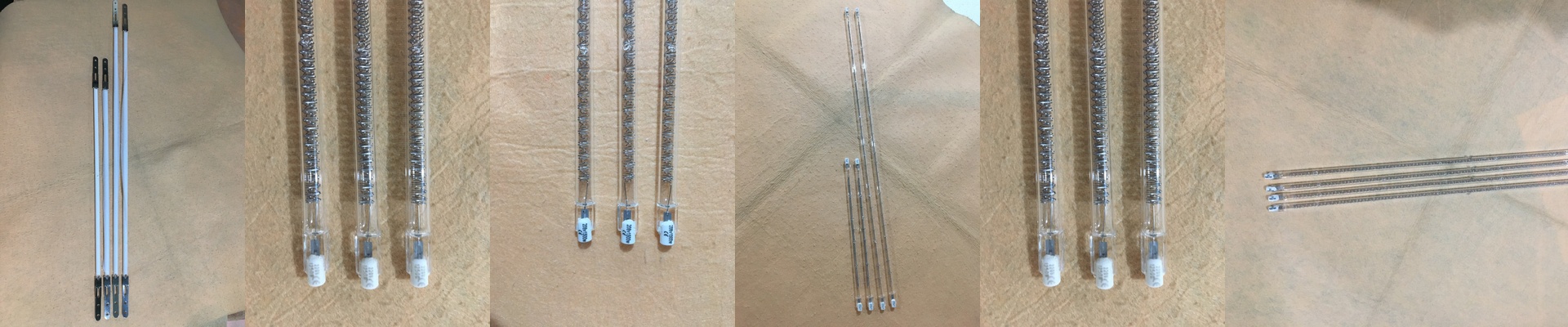
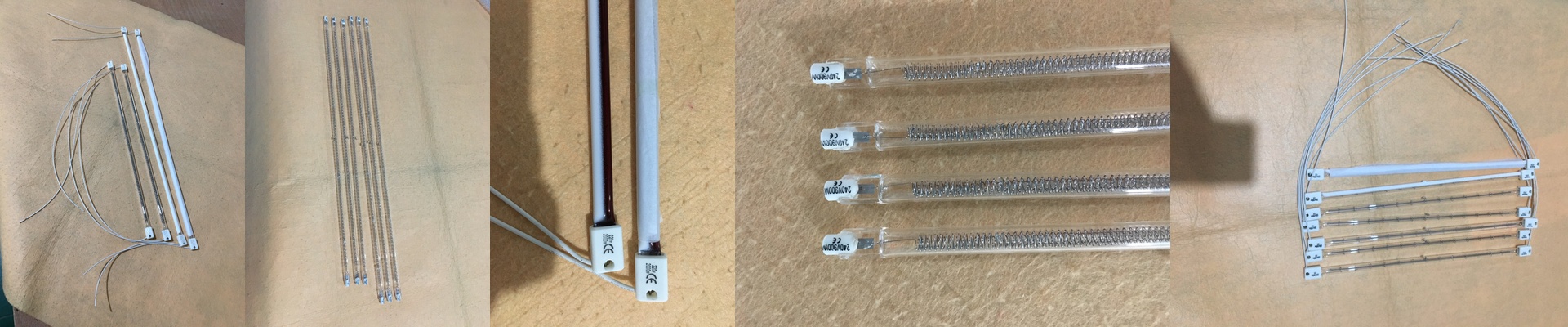
Inside, the halogen element is tucked into a quartz envelope. Quartz is tough—it handles the high filament temperature without breaking a sweat, and it stays crystal clear so the infrared heat gets through cleanly. The halogen cycle is the secret sauce here. It keeps the inside of the envelope cleaner, which means the output stays consistent and the lamp lasts longer than a standard incandescent one. We went with an R7s connector, too. It gives you solid, two-point contact at both ends of the tube. Makes swapping it into existing industrial lampholders a breeze. And even though the lamp is built to handle rapid heating and cooling, you still want to mount it properly. Otherwise, you risk stress cracks in the quartz. Trust me, it’s worth the extra care.
How it actually performs on the job
When you’re drying ink, you want energy delivered fast—without turning the whole substrate into a pizza oven. This lamp nails that. It throws down a high density of heat in a small space, so the ink cures quickly and your line keeps moving. And because the heat is repeatable, your colors stay consistent from one run to the next. Installation? Simple. Wire it to 400V, line up the R7s ends, and you’re good to go. But—and there’s always a but—you’ve got to manage the heat. Because the output is so concentrated, the reflector and airflow around the lamp have to be designed right. That way, you protect nearby components and keep the machine’s temperature in check.