Why We Build These Heaters
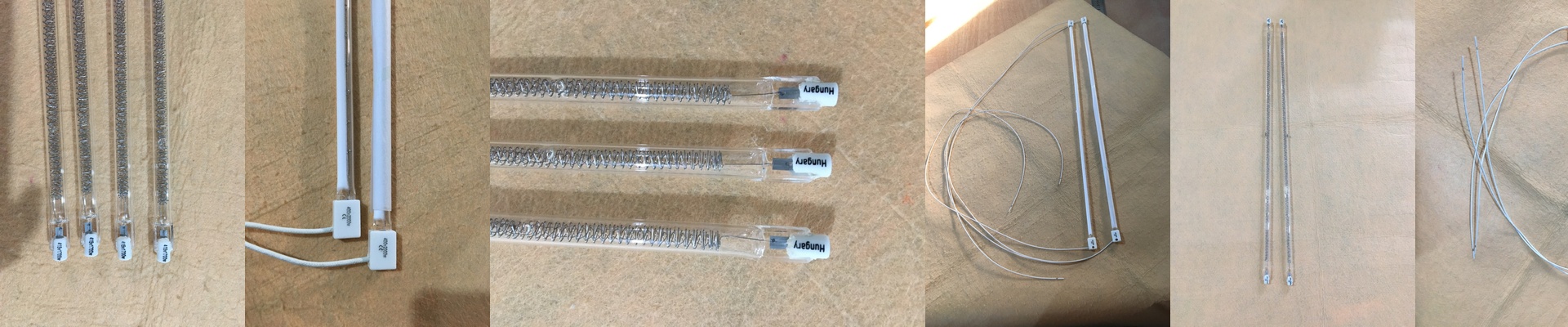
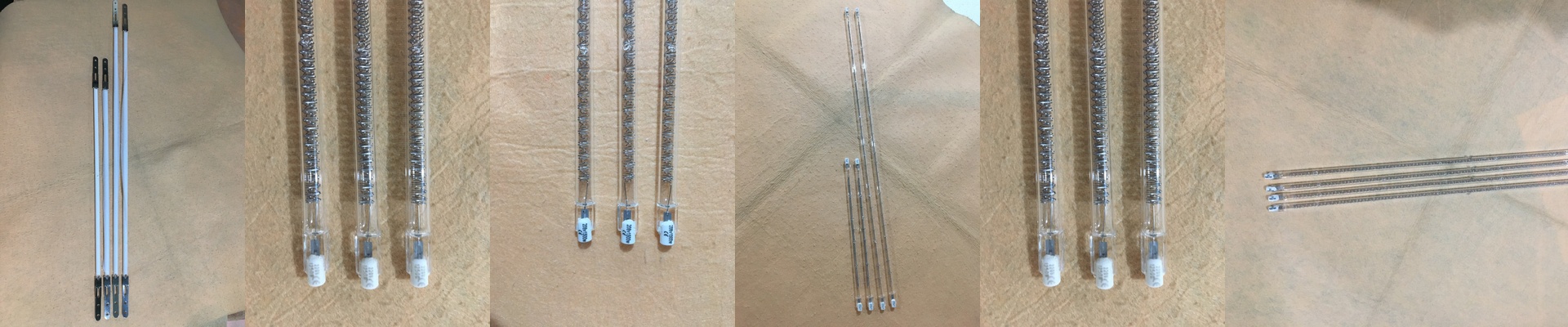
We make quartz heating tubes and halogen lamps for one simple reason: to give you heat that’s raw, immediate, and exactly where you want it. These aren’t your run-of-the-mill heaters. They’re built for real industrial work—the kind that needs intense energy, fast, in a tight space. Think rapid heating, thermal forming, and anything that needs direct line-of-sight heat.
Power, Voltage, and Fit: Getting the Details Right
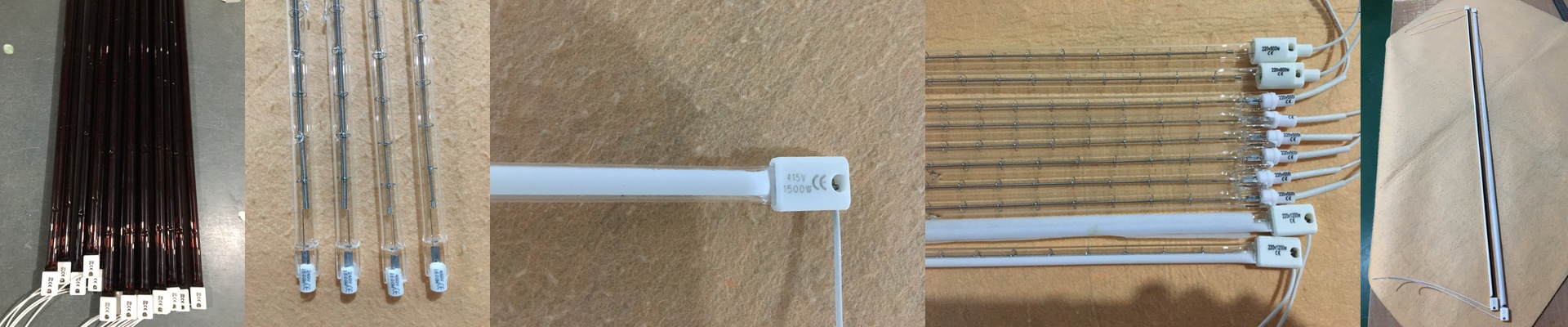
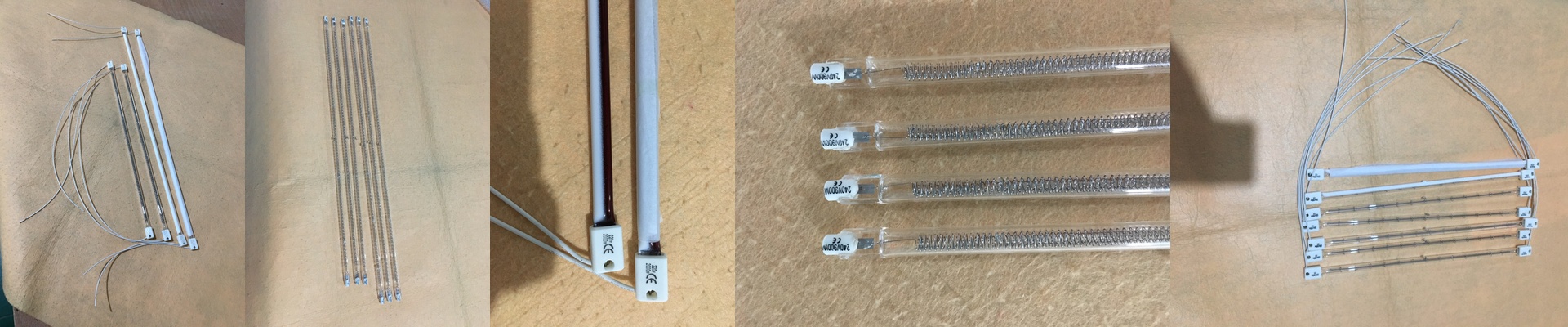
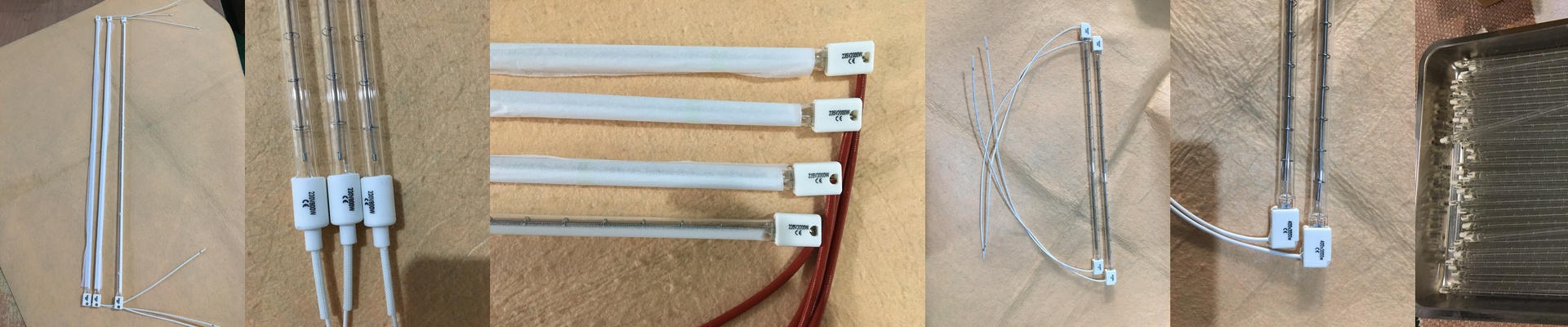
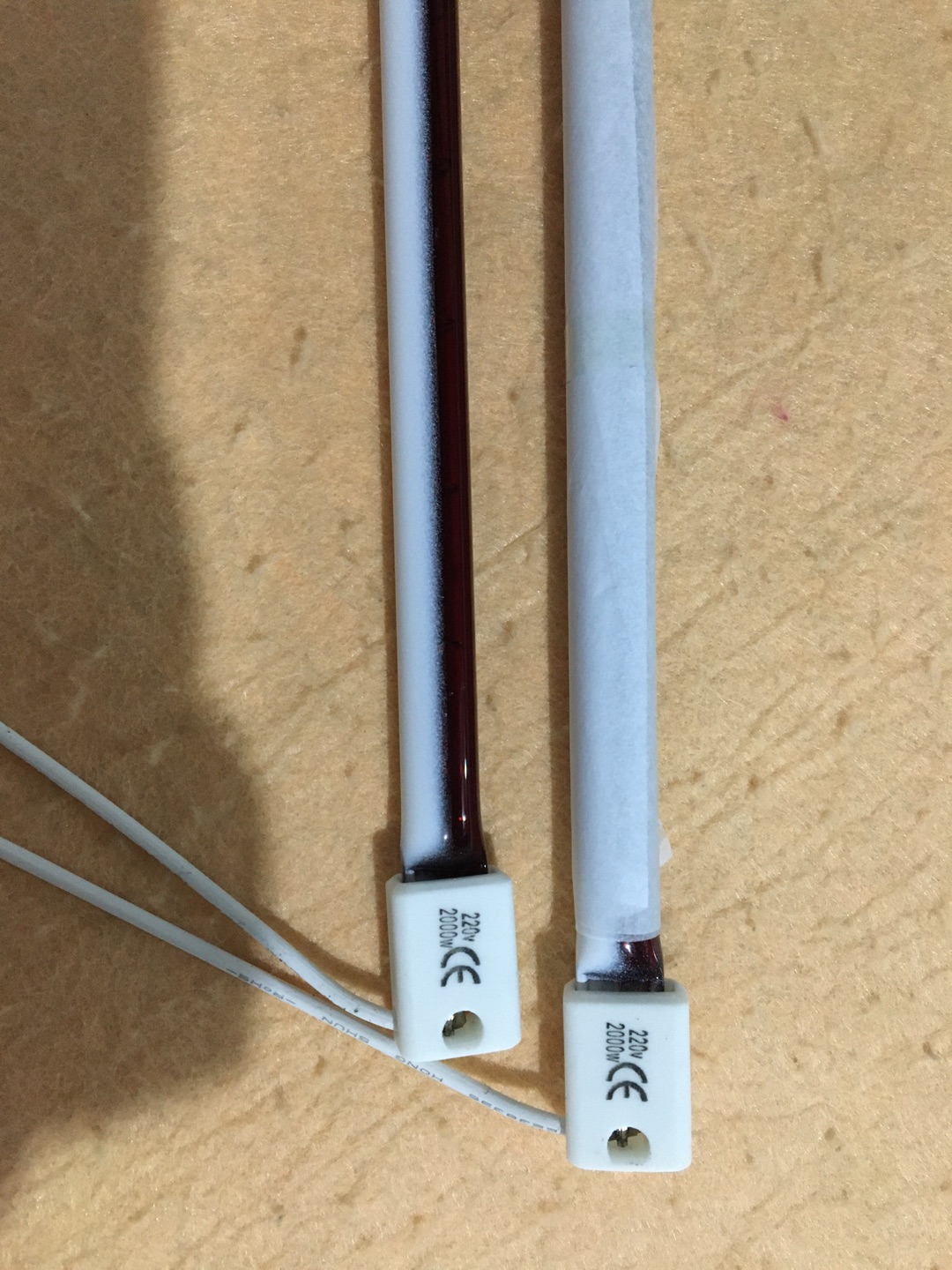
You choose a quartz halogen tube when your machine can’t afford to wait around for warmth. Wattage sets how much heat you get. Voltage tells you how it plugs into your setup. For example, a 400V halogen tube is made for higher-line applications, which lowers the current draw and lets you run thinner wiring compared to a 230V version at the same wattage. And size matters. The length, diameter, and how the element is laid out are chosen to match the exact spot you need to hit. Take a 300mm tube—it concentrates heat into a tight band. Perfect for spot heating or short-stroke jobs, without turning the whole machine into a furnace.
The Build: Quartz, Halogen, and Connectors That Hold Up
The quartz envelope is the backbone of the whole thing. It handles high heat, stays clear, and lets the lamp run at high filament temperatures without falling apart. Then there’s the halogen cycle. It keeps the filament clean by putting evaporated material back where it belongs. That means longer life and steady output over time. We use R7s and Sk15 connectors because they’re made for the shop floor. They give you a secure, high-temperature connection and make installation straightforward. They also make the tube a simple drop-in replacement, so you spend less time down and more time running.
Where They Shine: Focused Heat, Real Results
Quartz halogen tubes are at their best when you need focused infrared heat—plastic processing, sealing, curing, preheating. They pack a lot of power into a small envelope, which means fast response and tight control over exactly what gets heated. But here’s the honest part: high heat density means you have to plan for it. The surrounding components and cooling path need to be designed properly. If your machine runs in a tight enclosure, you’ll need enough airflow or thermal shielding so nearby parts don’t cook. When you match the tube spec to the thermal design, you get heating you can count on, predictable cycle times, and fewer unexpected burn-outs.