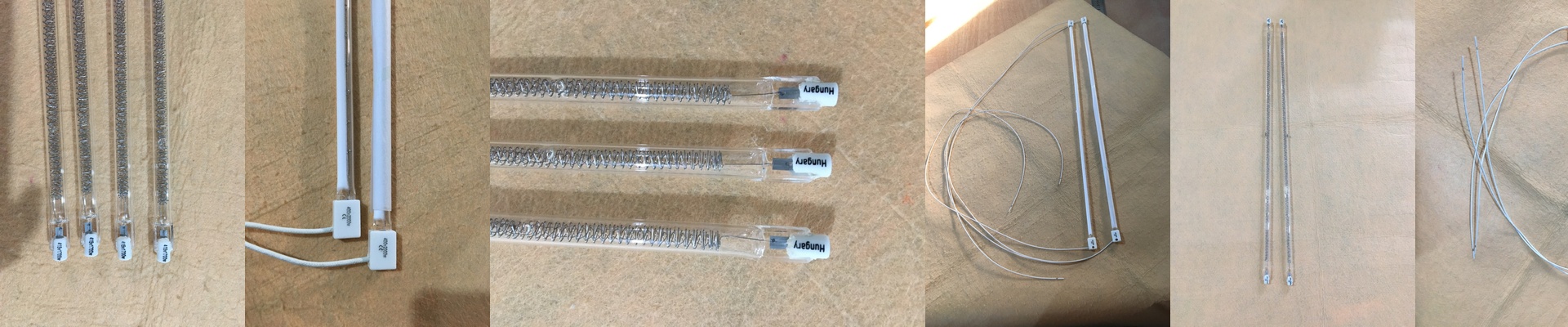
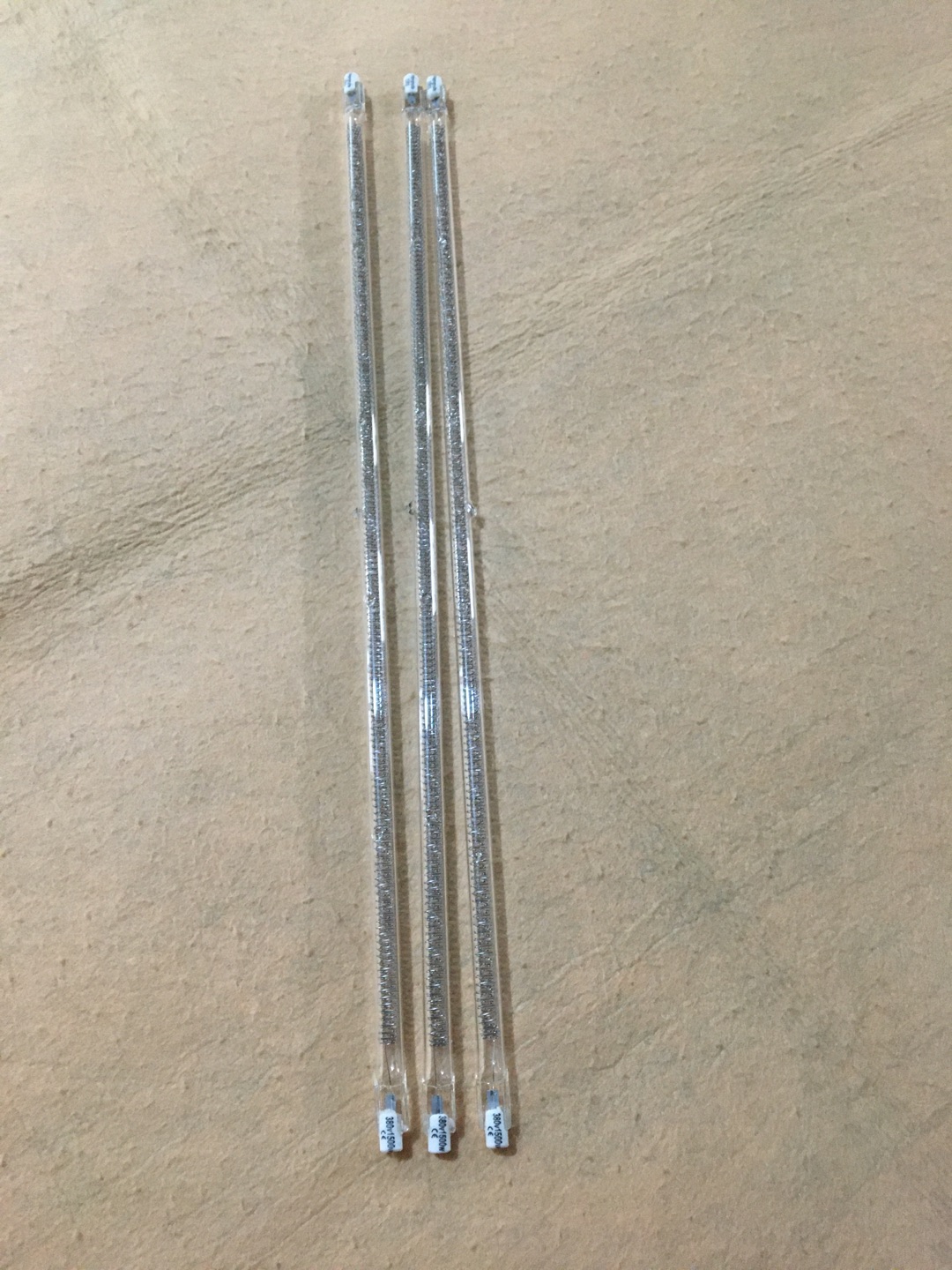
Introduction
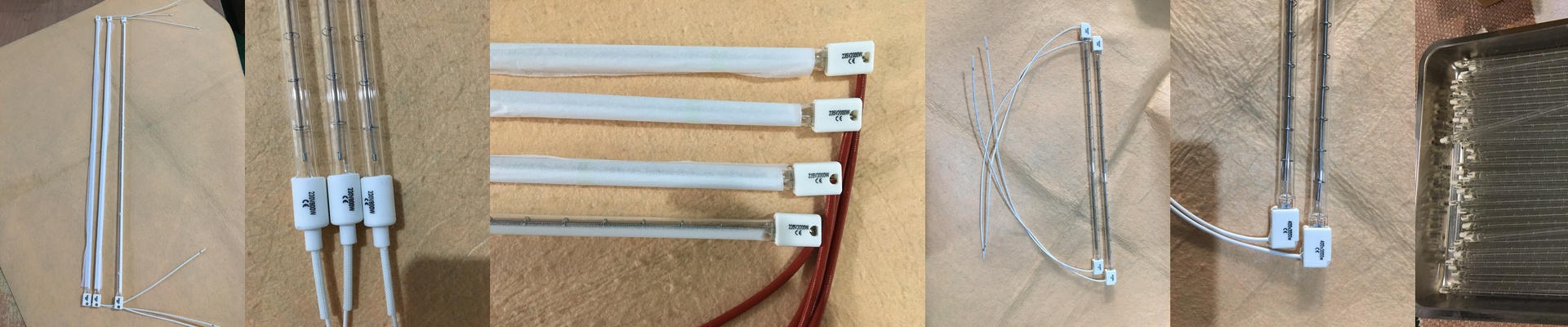
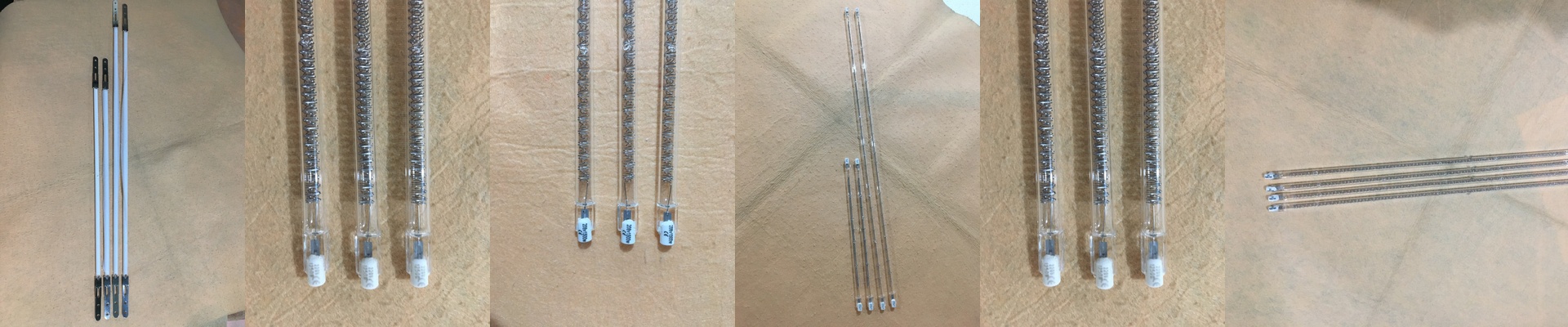
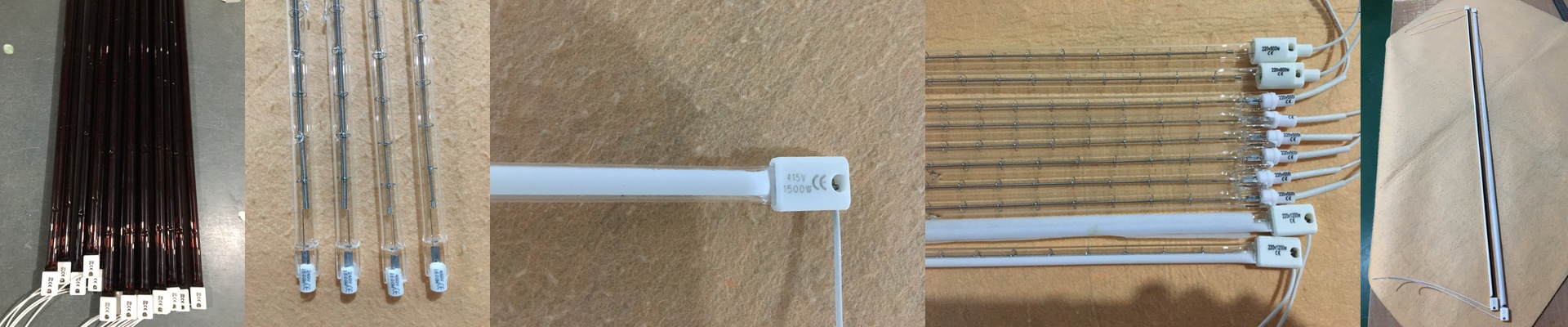
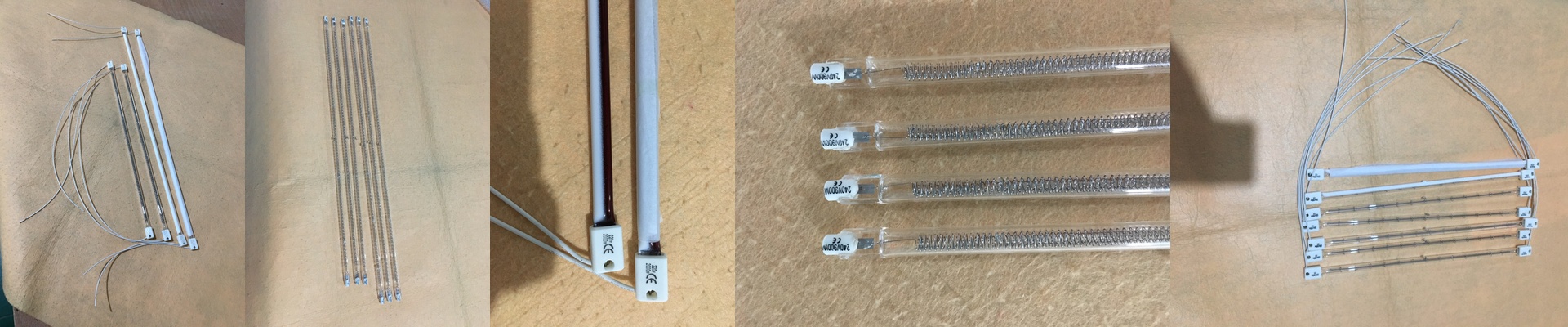
We built these halogen infrared heater lamps for one simple reason: to blast high-intensity electric heat exactly where you need it—without turning your whole shop into a sauna. Inside, a halogen-filled capsule sits inside a quartz envelope, and together they crank out shortwave infrared radiation. The payoff? Lightning-fast heat-up and control you can count on, especially when your process demands speed and rock-solid consistency.
The Nitty-Gritty
When you’re choosing one of these lamps, three things really matter: power, voltage, and size. They decide how much heat you get, how the lamp fits, and how easily it drops into your setup. Go high-wattage in a small tube and you get a lot of heat in a tight footprint. But that also means you need to plan for the electrical side. Running a high-wattage lamp at higher voltage lowers the current for the same power, which keeps wiring simpler and helps prevent voltage drop over longer runs. Just remember: higher voltage means you need solid insulation and smart safety practices on the floor. And size? It’s not an afterthought. The lamp has to match the reflector and the target zone. Too long or too short, and you lose focus—and you lose efficiency.
What Makes It Tick
The halogen cycle is the quiet hero here. It keeps the filament clean by sending evaporated tungsten back where it belongs, which helps keep output steady over the life of the lamp. Quartz glass handles the extreme filament temperature and gives you the right transmittance for shortwave infrared. And the halogen gas fill lets the filament run hotter without burning out fast—so you get quicker start-up and a crisp, controllable heat profile. Then there’s the connector choice, which is all about practicality. R7s and similar double-ended fittings give you solid contacts and easy replacement. They lock the lamp in place and carry current reliably, so you don’t end up with arcing or hot spots at the ends.
Where It Shines (And What To Watch For)
In industrial heating, you need heat that shows up on demand and stays steady, even when conditions cycle. Halogen infrared lamps do exactly that by focusing energy onto a specific area—cutting warm-up time and making repeatability much easier. And because it’s electric, integration is straightforward. No fuel lines to run, no combustion to tune. Just wire it up and set your controls. Now, the trade-off is real: high heat density means you need proper reflectors, ventilation, and smart spacing of components. Plan your cooling and guarding up front. When you match the lamp to the right voltage, wattage, and length, you get a heating element you can rely on—one that installs quickly and keeps performing, even in demanding process environments.