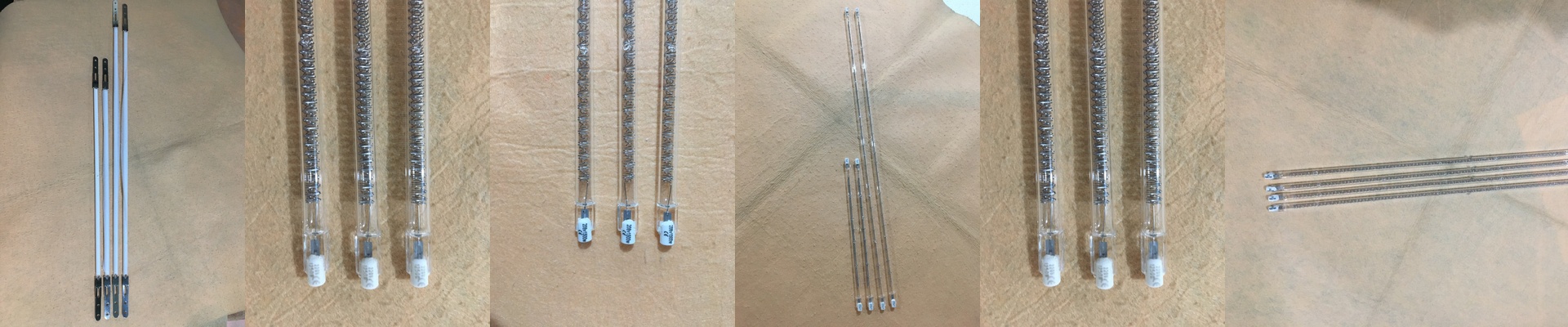
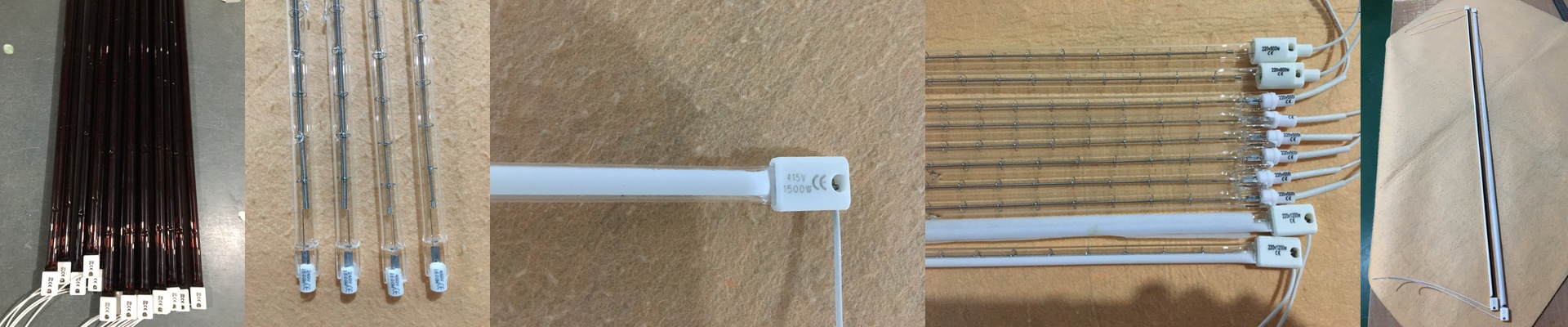
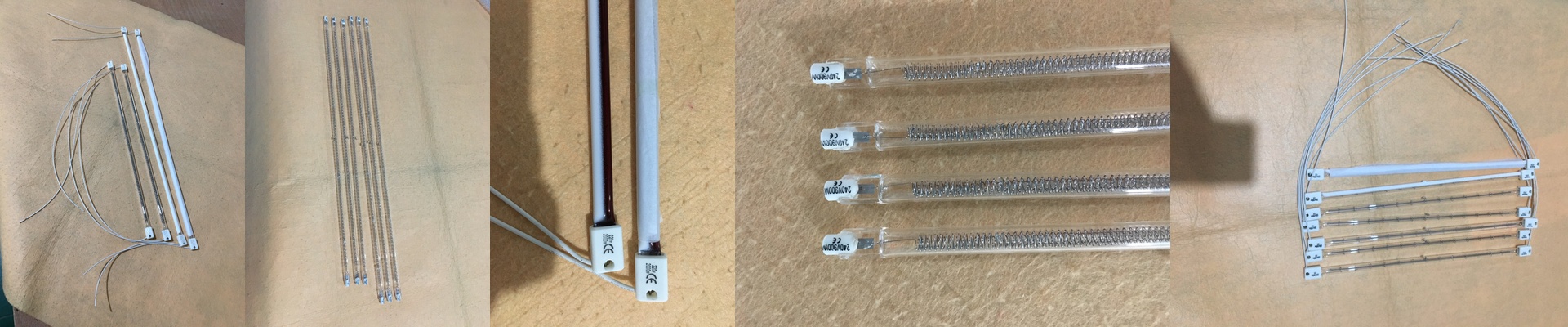
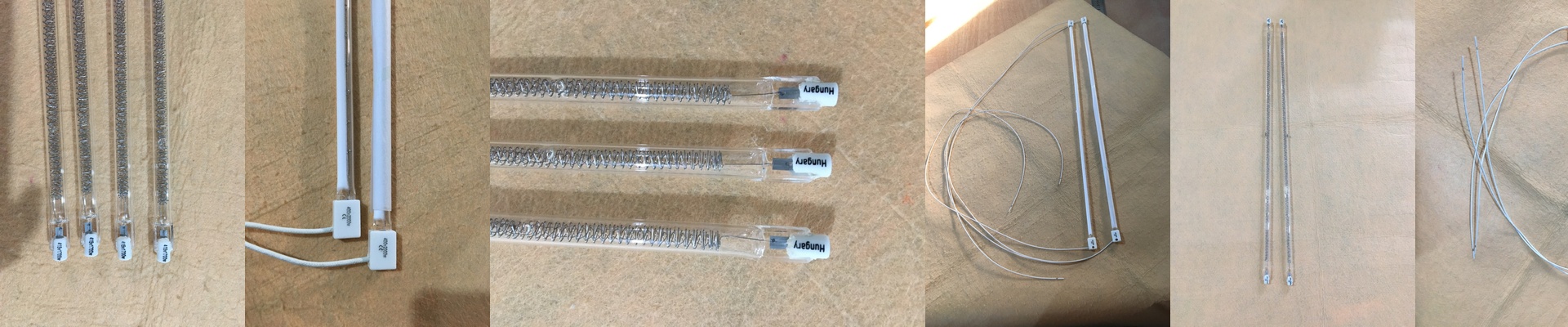
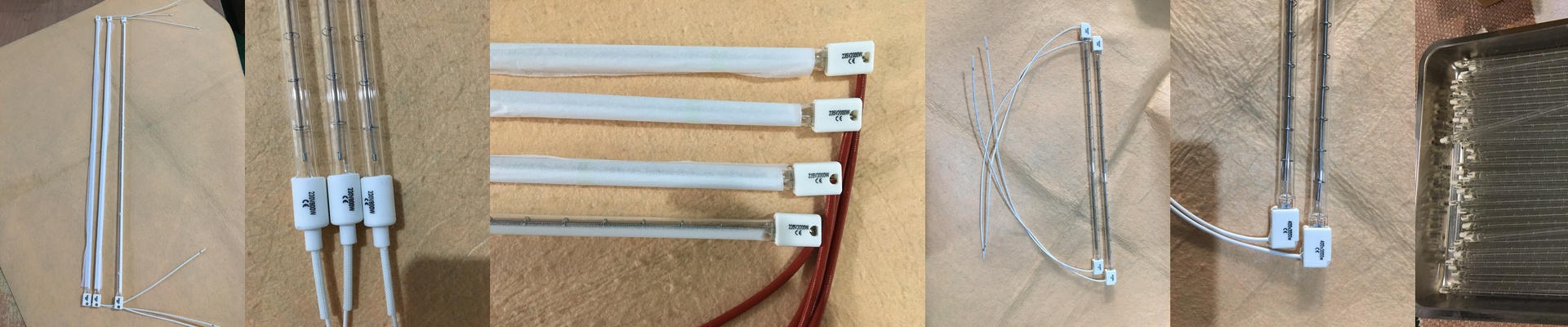
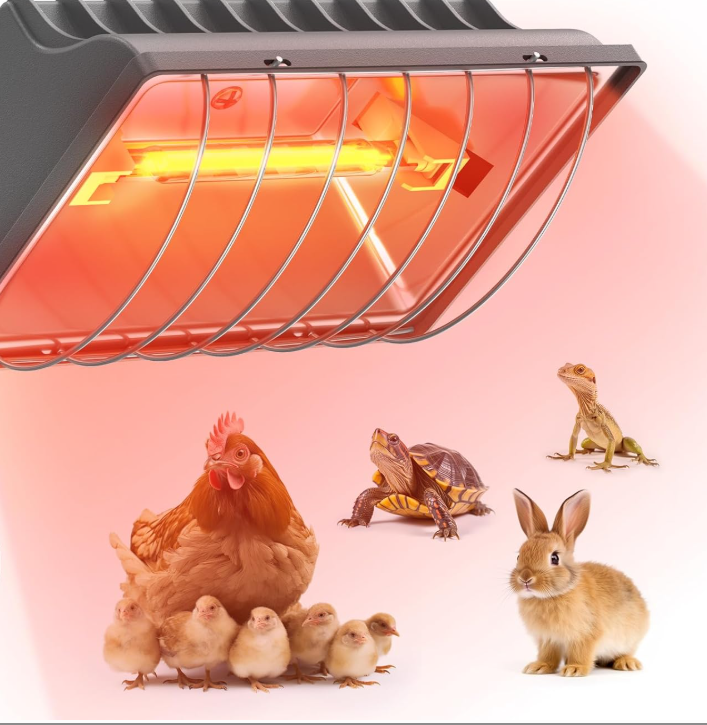
Let’s be honest: raising ducklings is messy. Between the humidity and the ammonia fumes from the waste, a brooder is basically a torture chamber for electronics. Most heating lamps just can’t take it. They corrode, the seals leak, and then—pop—you’re left with a cold brooder and a lot of shivering birds. We got tired of seeing that happen, so we rebuilt our infrared lamps to actually survive the environment. The wiring problem You know how standard rubber or PVC cords eventually crack and peel? That’s because the chemicals in a poultry house eat them alive. We swapped those out for fluoropolymer-coated wires. They don’t care about ammonia. We also added a reinforced braid so that when you’re scrubbing down the brooder and moving things around, the wires don’t fray. It stays safe, dry, and isolated. Stopping the leaks Most lamps burn out because moisture sneaks in where the bulb meets the base. It’s called “wicking,” and it’s a nightmare. To fix this, we started using a high-temp silicone seal that creates a tight, vacuum-like bond. No moisture gets in. Period. We also beefed up the mounting bracket. Metal expands and contracts when it gets hot, which usually makes lamps sag over time. Ours stays put. Plus, they’re designed to drop right into the setups you’re probably already using. The honest truth on cost Here’s the catch: these aren’t the cheapest lamps on the shelf. You’re paying a bit more upfront because the materials actually last. One thing to watch out for: check your control panel. Make sure it can handle the wattage so you aren’t tripping breakers every ten minutes. And please, be careful with your thermostat. If you put too much heat in a tiny space, you’ll bake those ducklings. Keep your calibration tight.