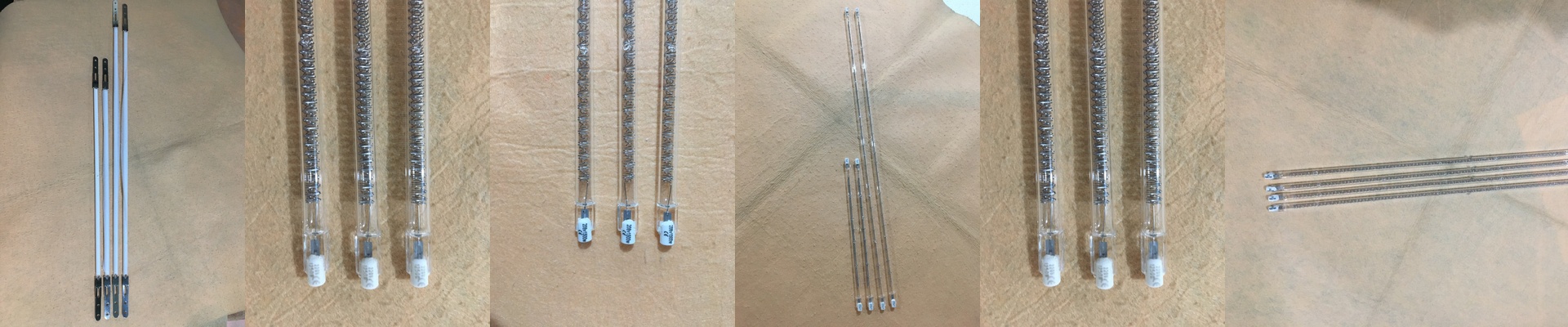
Why we put our piglet radiators through the wringer
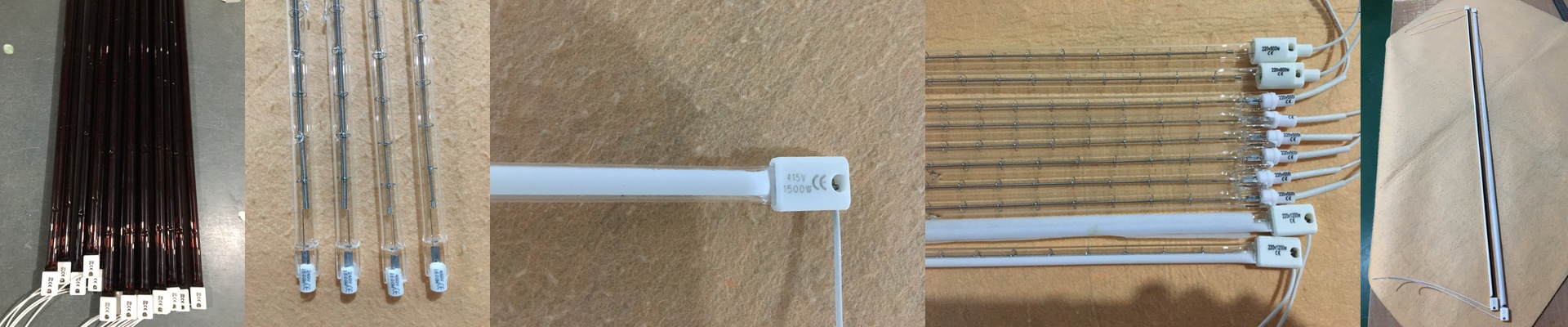
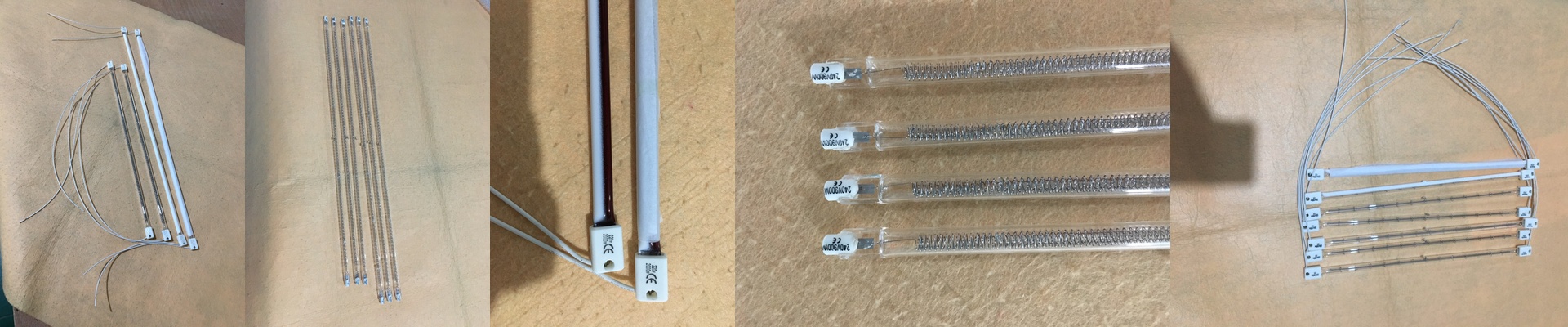
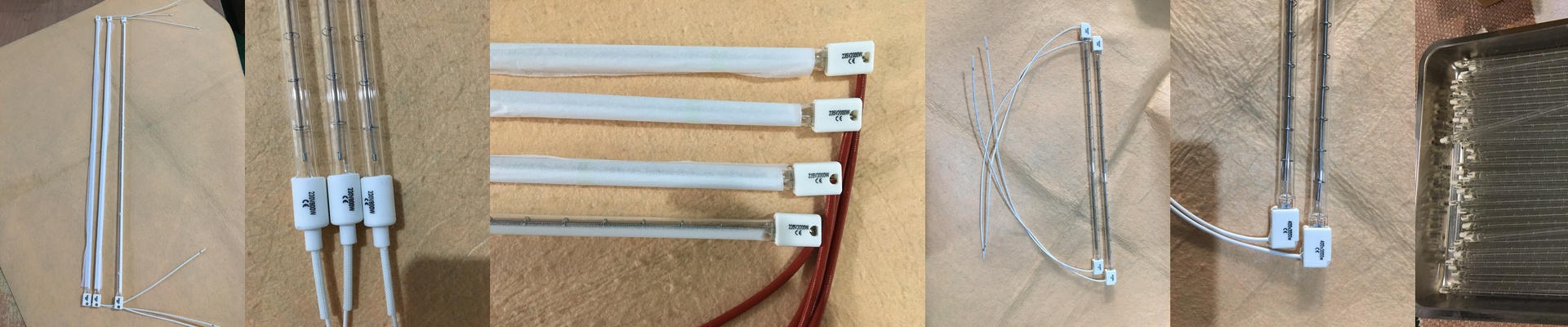
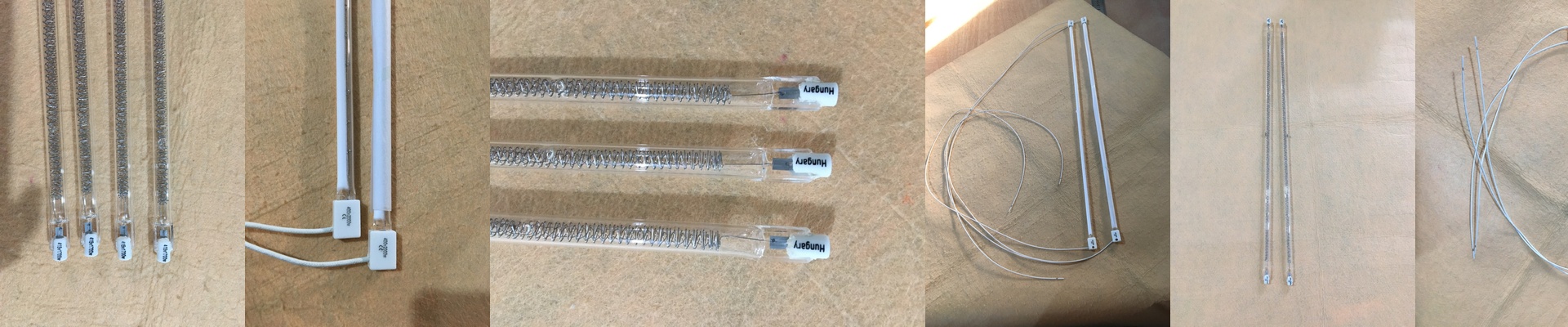
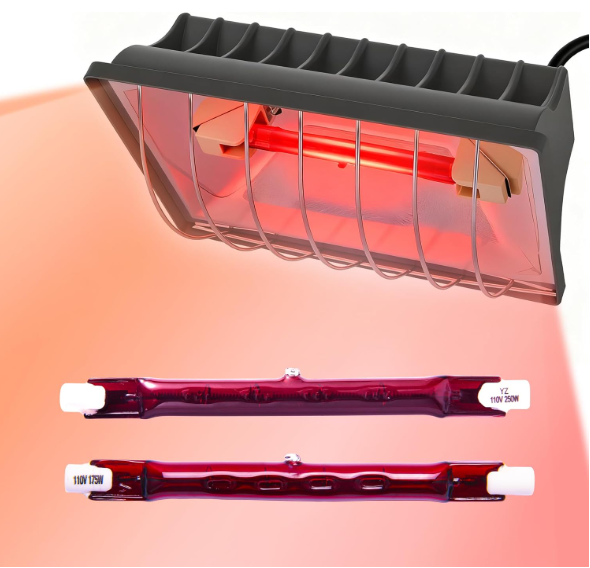
In piglet farming, a dead heating lamp is more than just a chore on your to-do list. It’s a genuine risk to your livestock. We build our infrared radiators to handle the grit and grime of a farrowing crate, but the real test happens long before the lamp ever hits your truck. The “Burn-In” Secret Here is how we do it: every single infrared tube goes through a powered aging test. We wire them up, turn them on, and let them run under a full load for a while. Why? Because quartz heating elements have a habit of failing early. If there’s a tiny crack in the glass or a seal that isn’t quite tight enough, it usually pops in the first few hours. We’d much rather that happen on our factory floor than in your barn. It means by the time the unit reaches you, the “weak” ones are already gone. It’s All in the Quartz These radiators use short-wave infrared to get heat deep into the piglets’ skin quickly. To make that happen, we use high-purity quartz so the tube doesn’t warp when things get hot. But quartz is finicky. If the seal between the tungsten filament and the glass is off by even a fraction of a millimeter, oxygen sneaks in and the filament burns out instantly. The aging test is our way of sniffing out those leaks. Less 3 AM Wake-Up Calls For a farm manager, this just means a quieter life. You aren’t climbing into a crate in the middle of the night to swap out a dead bulb. You just get steady, reliable heat across the whole row. Just a quick heads-up: these lamps put out some serious heat. Make sure your mounting brackets can handle the temperature and keep the lamps away from bedding. No one wants a fire hazard in the barn.