Getting the Heat Right: Sidel Matrix Infrared Lamps
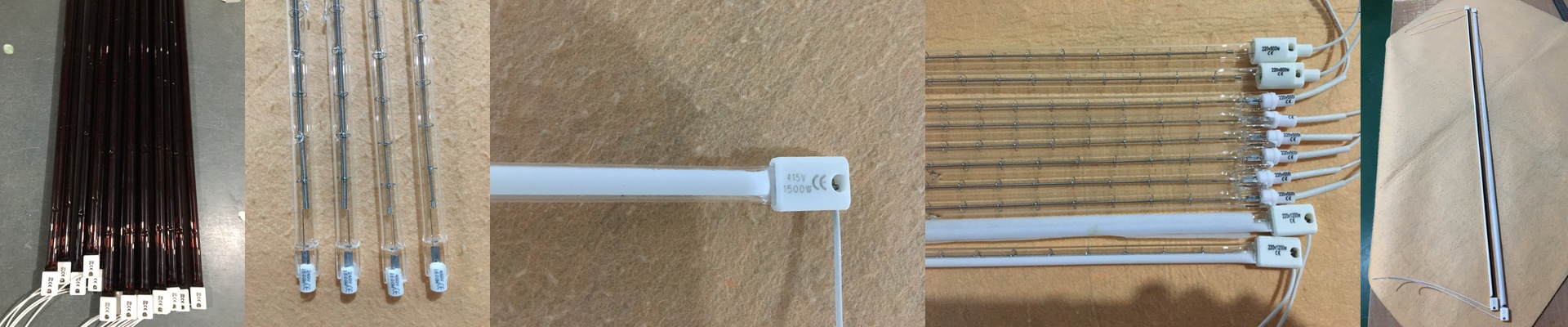
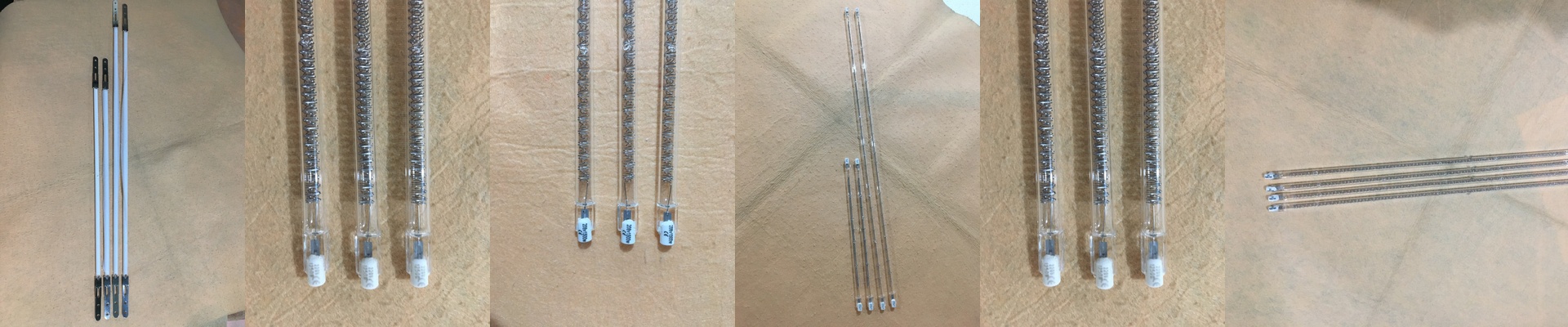
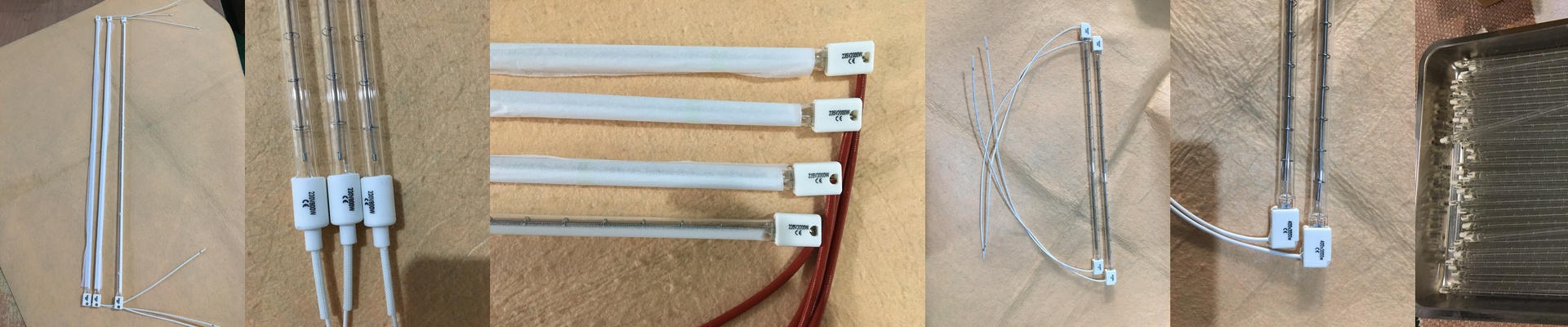
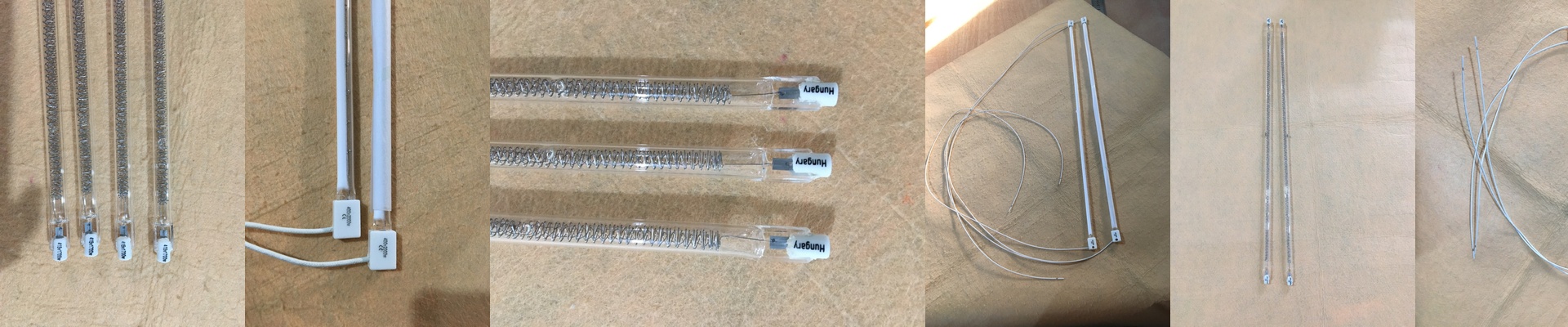
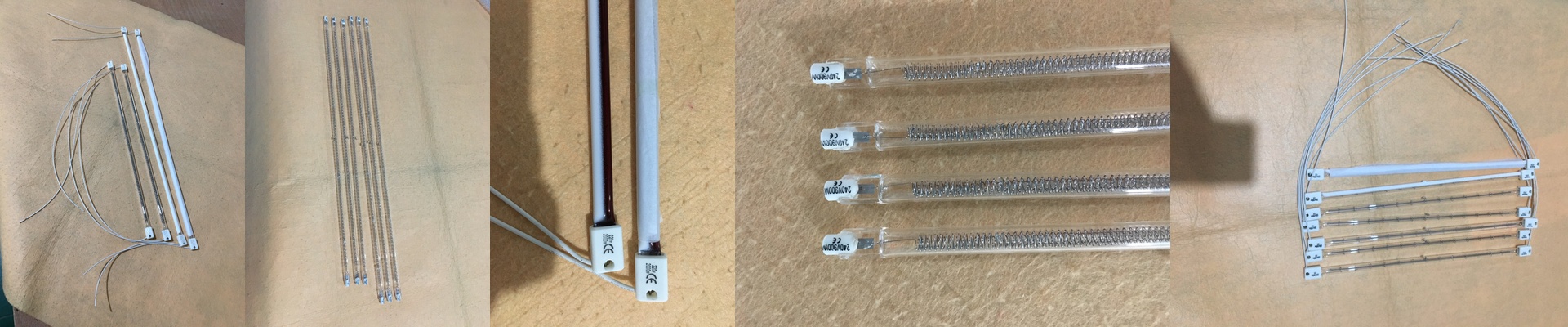
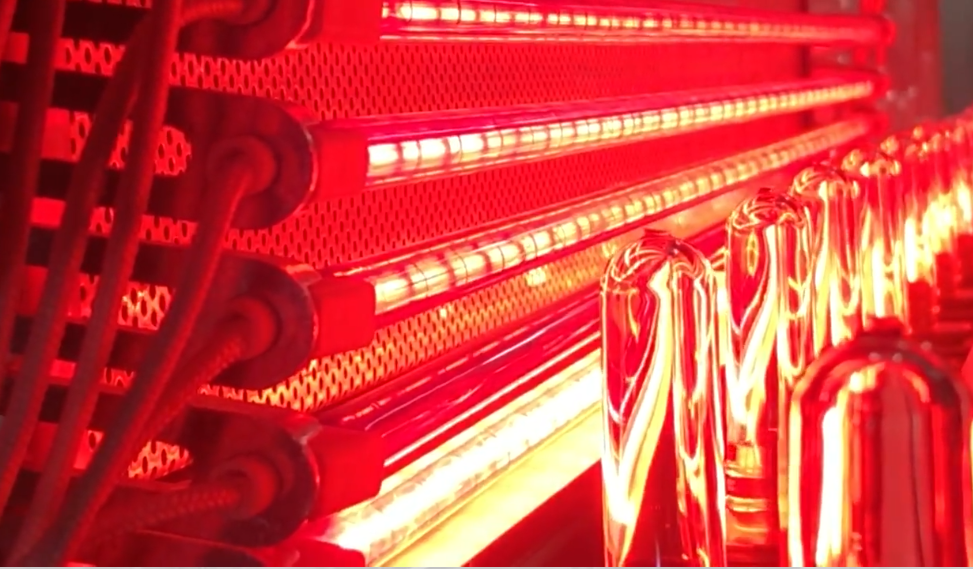
Here is the problem with swapping OEM lamps for aftermarket ones: the temperature curve usually shifts. If the heat density isn’t spot on, you end up with PET preforms that have uneven walls. It’s a headache you don’t need. We don’t just look at these as “heating elements.” We treat them like precision electrical parts. Matching the specs To get that Sidel Matrix performance, we obsess over the wattage-to-length ratio. If the power density is off by even 5%, the plastic doesn’t absorb the infrared radiation the way it should. That’s why we build our filaments to match the OEM voltage and wattage exactly. When you plug them in, your PID loops stay calm. No freak-outs, no errors. You just drop them in and keep your existing heating profiles exactly as they are. The glass and the grit The glass actually matters a lot. We use high-purity quartz because it can handle the shock of rapid heating and cooling without cracking. But we go a step further. We apply specific coatings to shift the infrared wavelength, making sure the heat actually sinks into the PET at the right depth. And we use standard R7s or Sk15 connectors. Why? Because a loose fit leads to arcing, and arcing leads to a burnt-out lamp. Simple as that. A reality check from the shop floor Look, high-wattage shortwave lamps put out a massive amount of heat. You need that for high-speed production, but it puts a lot of stress on your reflectors. Here is the thing: if your reflectors are pitted or oxidized, even the most perfect lamp in the world won’t hit the target temp. Do yourself a favor and check your reflectors while you’re swapping the lamps. You can’t fix a bad reflection with a better bulb.