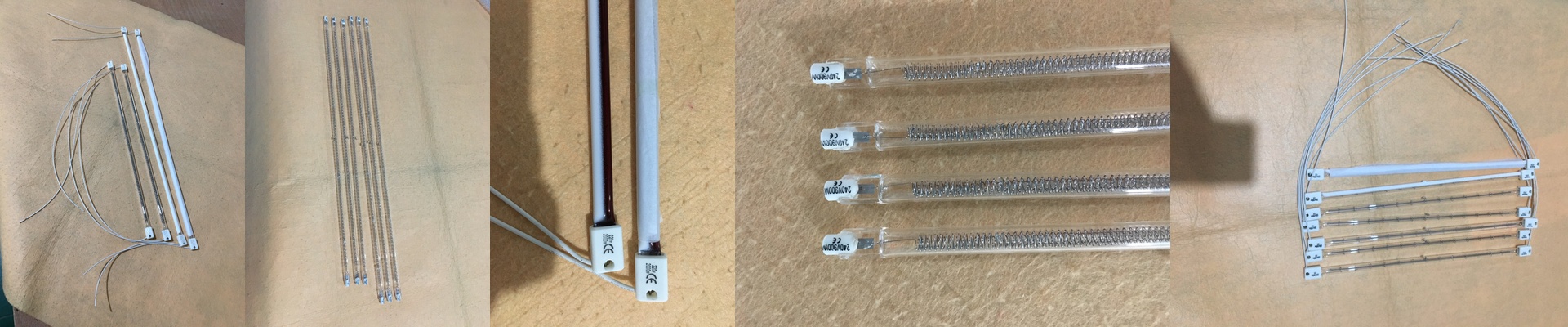
Getting Your PET Preform Heating Right with Halogen Lamps
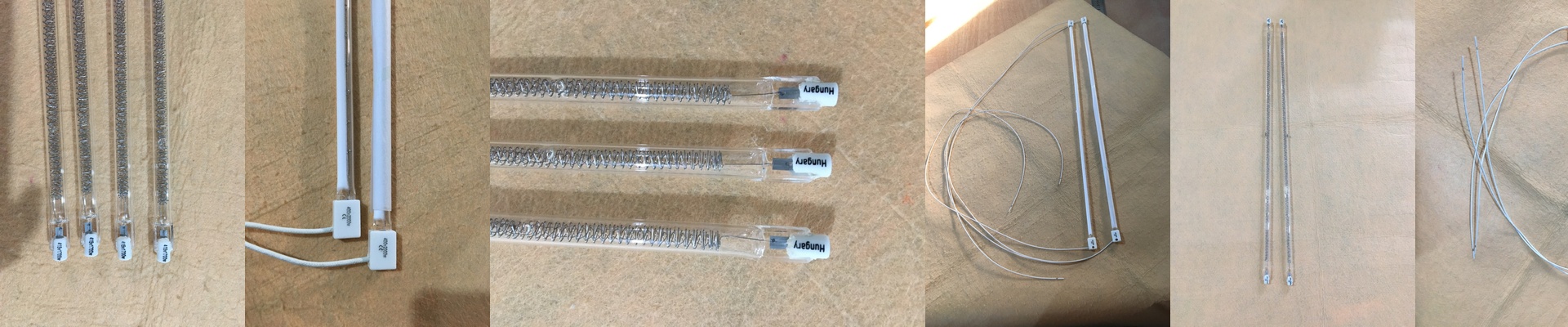
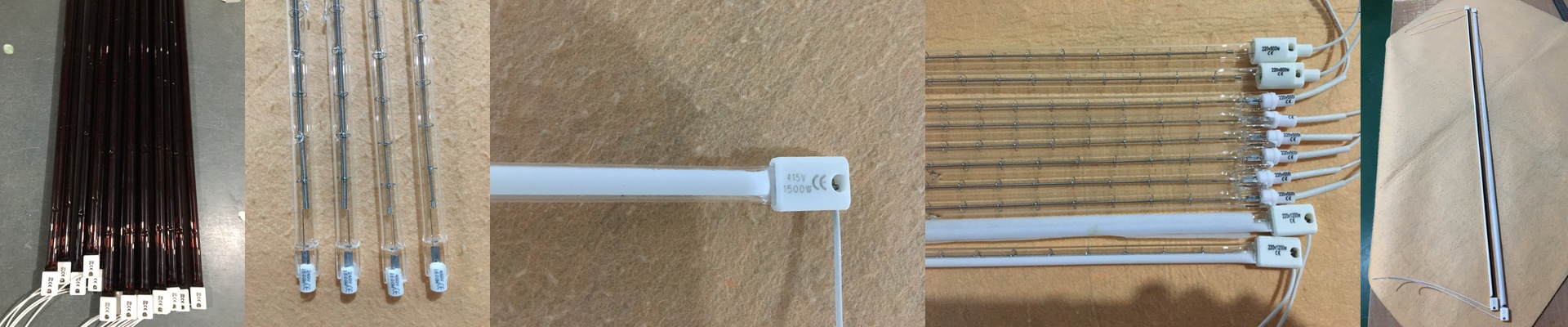
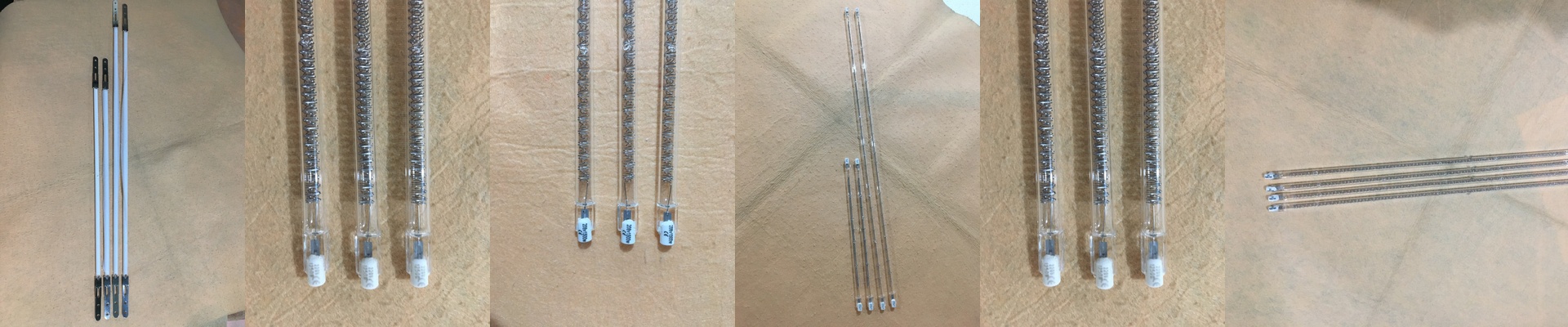
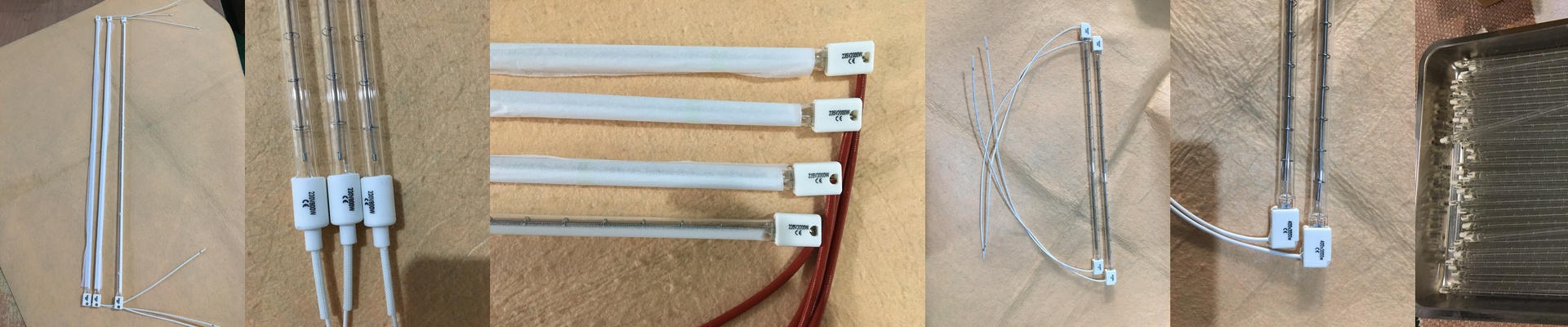
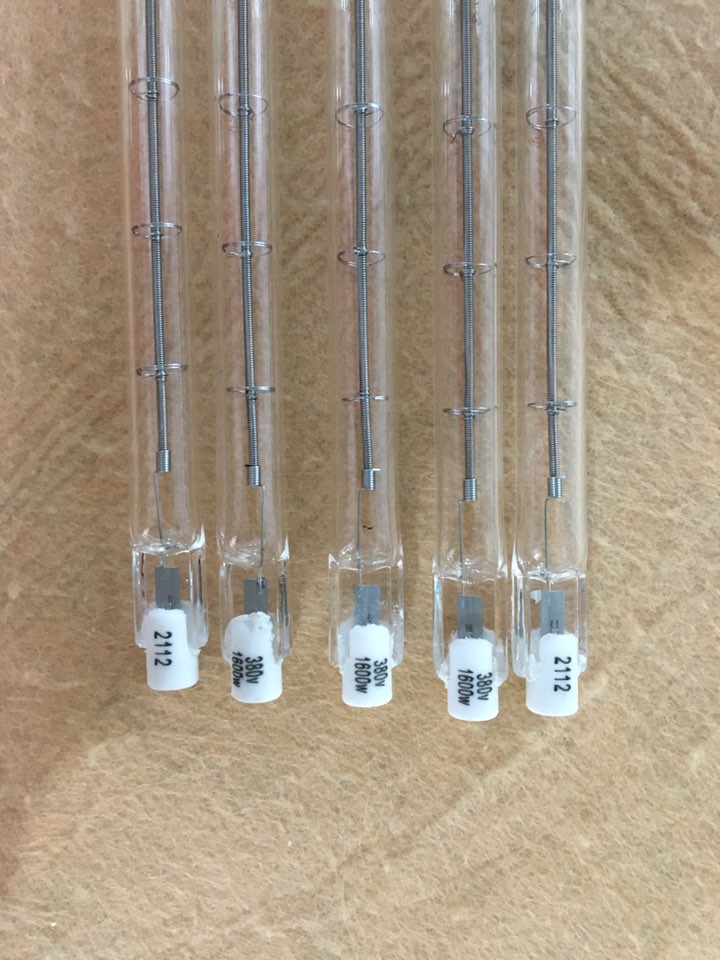
If you’ve spent any time around a blow molding machine, you know the secret is all in the heat. You need to soften those PET preforms just right before they hit the mold, or the whole batch is junk. That’s why we stick with halogen heat lamps. They use shortwave infrared radiation, which is just a fancy way of saying they punch right through the plastic quickly. You aren’t wasting energy heating up the oven frame; you’re putting the heat exactly where it needs to go. The power side of things Here is the thing about heat density: it all comes down to your voltage and wattage. If you’re running a high-wattage tube at 230V or 400V, that’s what decides how fast your machine can cycle. If you’ve got a compact oven with a tiny footprint, you’ll probably need those higher voltage options to cram more power into a shorter tube. Just a heads-up—make sure your wattage matches your power supply. If you don’t, you’ll burn through your filaments way faster than you should. Built to take a beating We use high-purity quartz glass for these lamps. Why? Because these things go from ice-cold to scorching in a heartbeat, and standard glass would just shatter. Some of our units even have a special coating. It acts like a mirror, pushing the heat forward onto the preform instead of letting it bleed out the sides. To keep things simple, we use R7s or Sk15 connectors. They’re basic drop-in replacements. They fit tight, which means you don’t have to worry about arcing at the terminals. Real talk: keeping them running Now, these lamps are workhorses, but they aren’t magic. They need a little love to last. Since they put out so much heat, your cooling fans have to be up to the task. If your airflow slips, the lamp housing gets too hot and the quartz envelope will give out early. And when you’re wiring them up, please—check your contacts. If there’s any oxidation or grime on the connector, it creates a hot spot. That’s a quick way to end up with a melted socket. One last tip? Pop the hood every few months and check your reflector alignment. It’s a small tweak, but it keeps your heating zones uniform and your bottles looking perfect.