Getting Your Paint to Cure Faster with Halogen IR Lamps
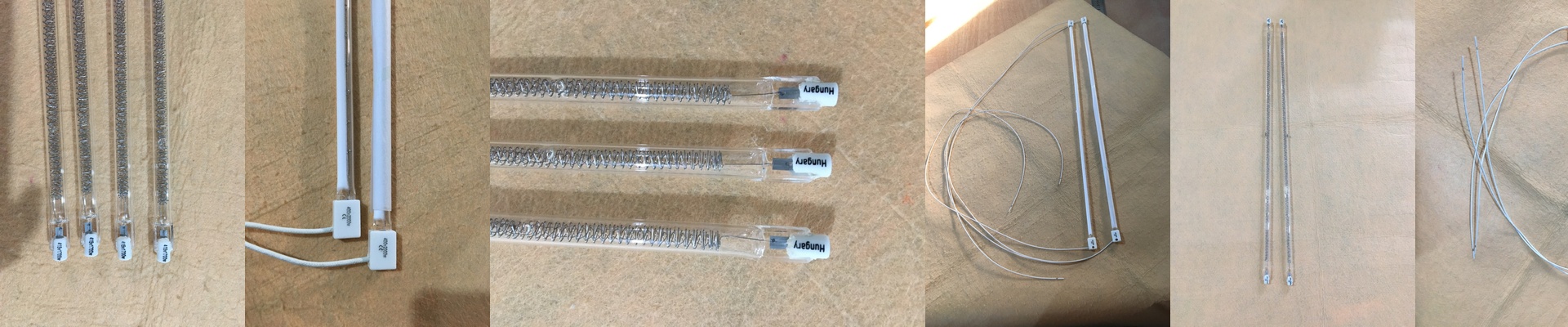
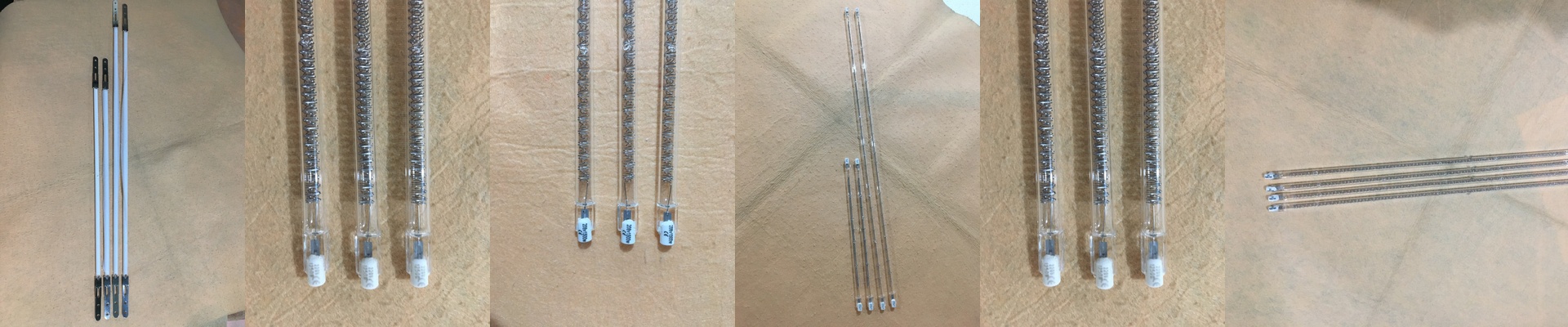
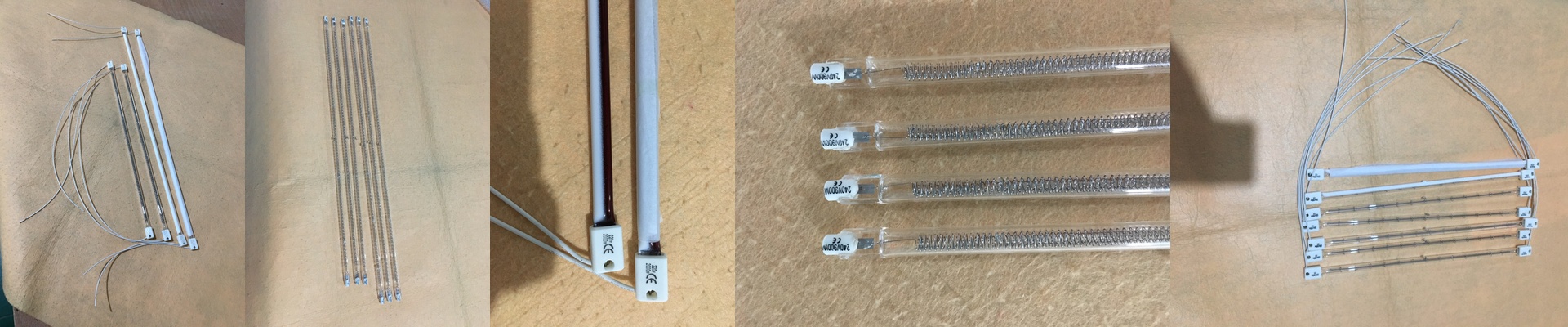
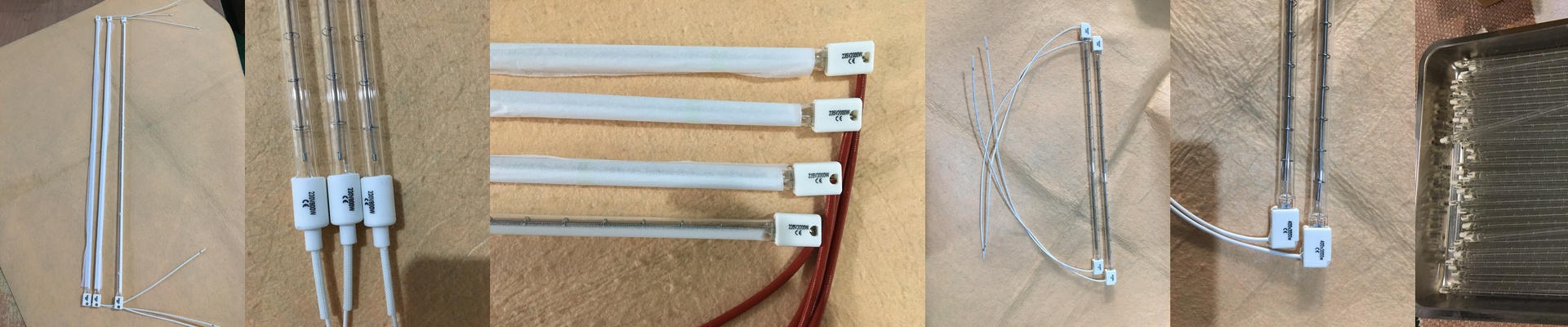
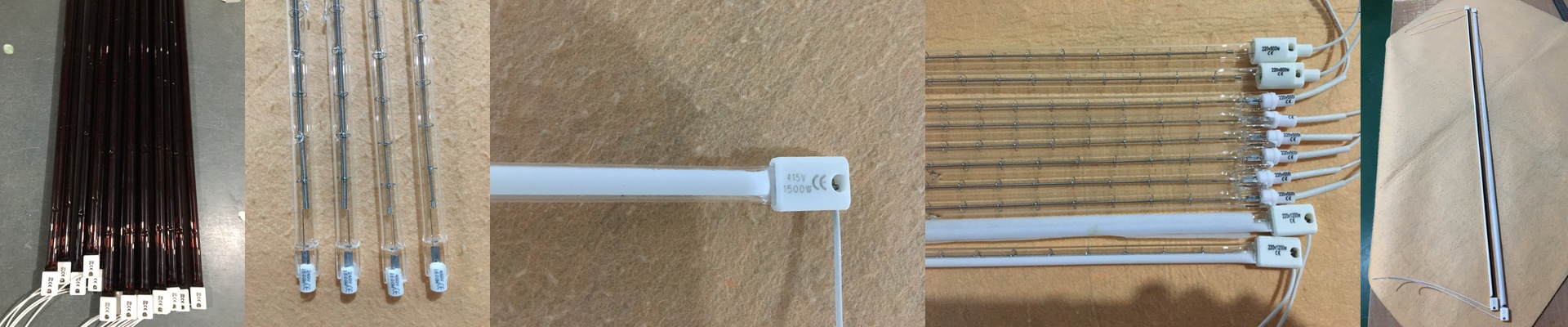
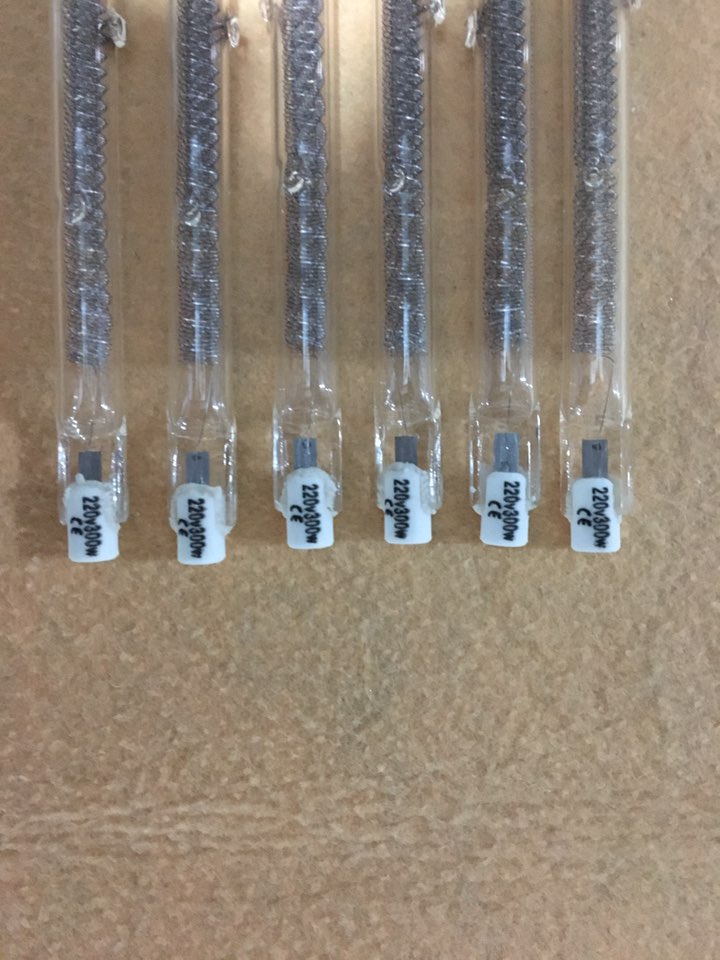
If you’re running a paint line, you know the drill. Waiting for paint to dry is usually the biggest bottleneck in the whole shop. That’s why we build our halogen infrared lamps the way we do. These are shortwave emitters. Instead of wasting time heating up all the air in the oven first, they shoot energy straight into the paint layer. It’s direct. It’s fast. And it saves you a ton of time. The nitty-gritty on power When we’re talking industrial ovens, we lean toward high wattage. Why? Because we want that paint to cure now. Here is a pro tip: when you move to longer tubes, we bump up the voltage. This keeps the heat consistent from one end of the lamp to the other so you don’t end up with “cold spots” on your parts. Just a heads-up—these high-wattage tubes pull a lot of current. Make sure your wiring and power supply are up to the task, or you’ll be dealing with burnt-out terminals. What’s actually happening inside the lamp We use a quartz envelope with a halogen cycle inside. It sounds Technical, but it’s basically a way to keep the tungsten filament from wearing out. The halogen gas pushes the evaporated tungsten back onto the filament, which keeps it centered and makes the lamp last much longer. Depending on what kind of paint resin you’re using, we can add specific coatings to the quartz. This tweaks the light spectrum so the paint absorbs the heat more efficiently. And don’t worry about the installation. We use standard R7s or Sk15 connectors. They’re designed to be drop-in replacements, so you can just slide them into your existing racks and get back to work without having to rebuild your whole chassis. A few things to watch out for The best part? These lamps are instant-on. You don’t have to spend an hour pre-heating the oven before you start your shift. But, you have to be careful. Shortwave IR is powerful stuff. If the lamp is too close to the part, you’ll scorch the surface. If your conveyor is crawling too slowly, the paint will bubble. It’s all about the balance. You’ve got to dial in the distance between the tube and the workpiece and sync it up with your line speed. Once you hit that sweet spot, you’ll get a perfectly uniform cure every single time.