A No-Nonsense Guide to Halogen Infrared Lamps
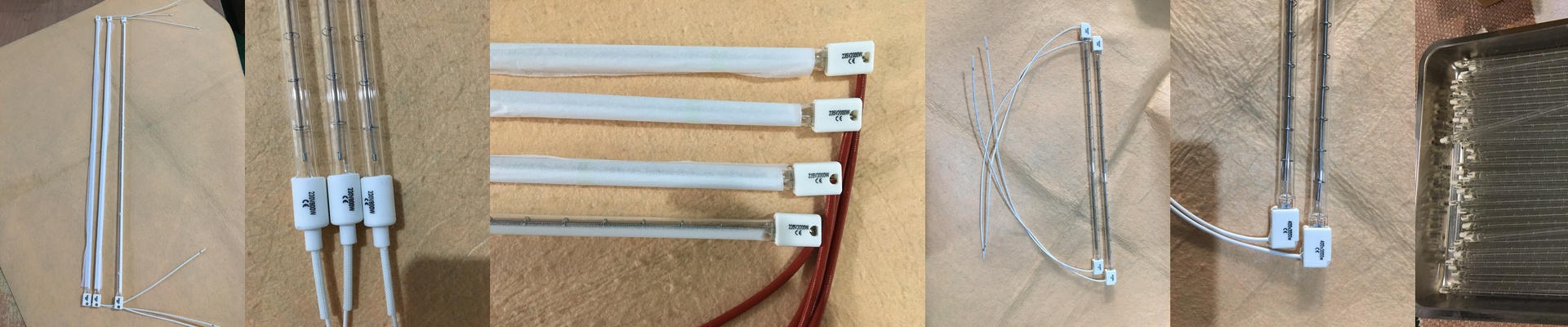
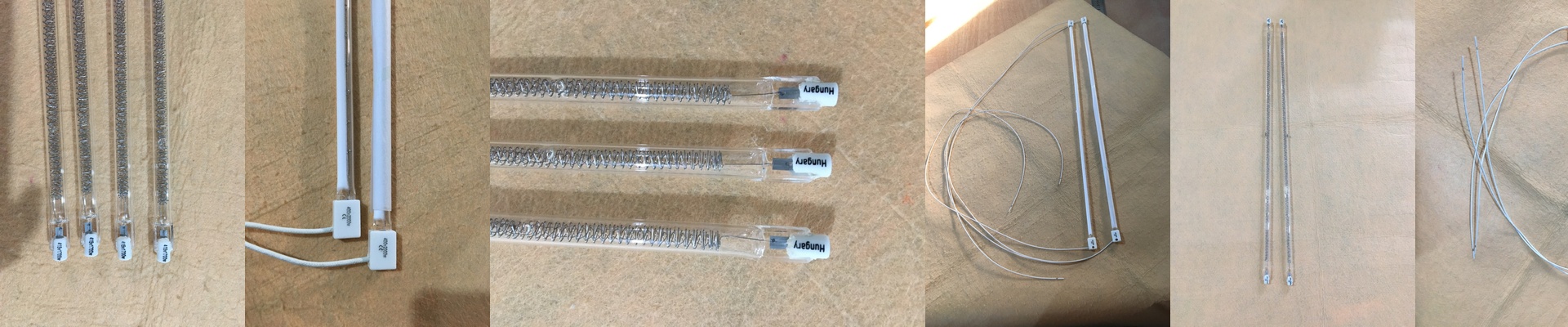
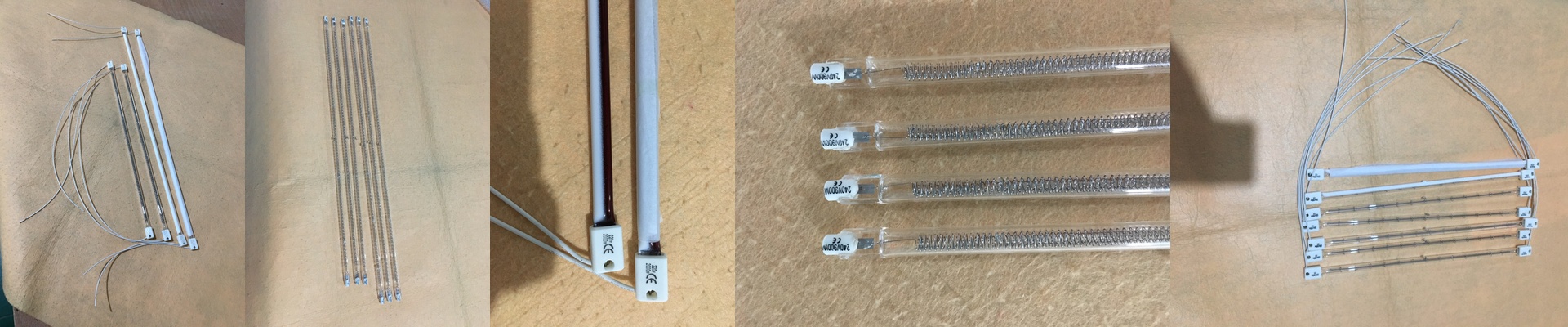
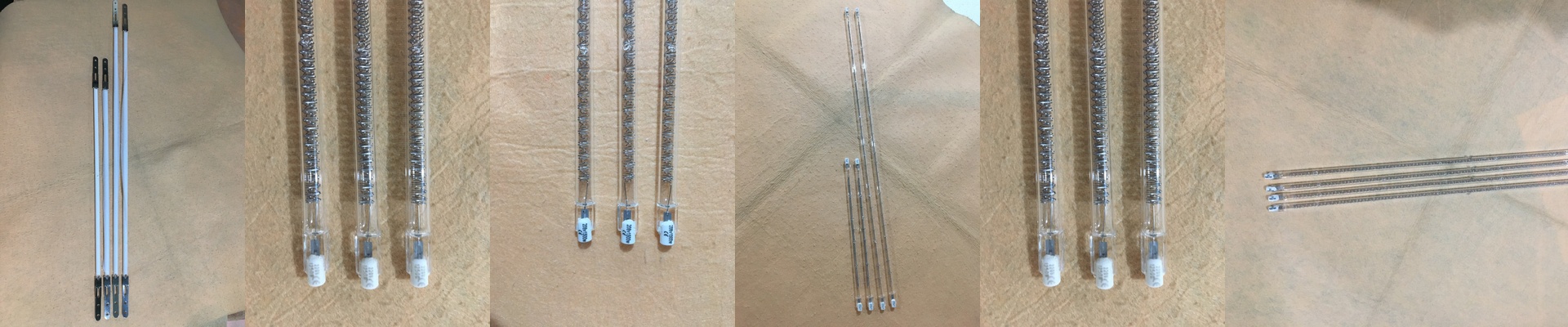
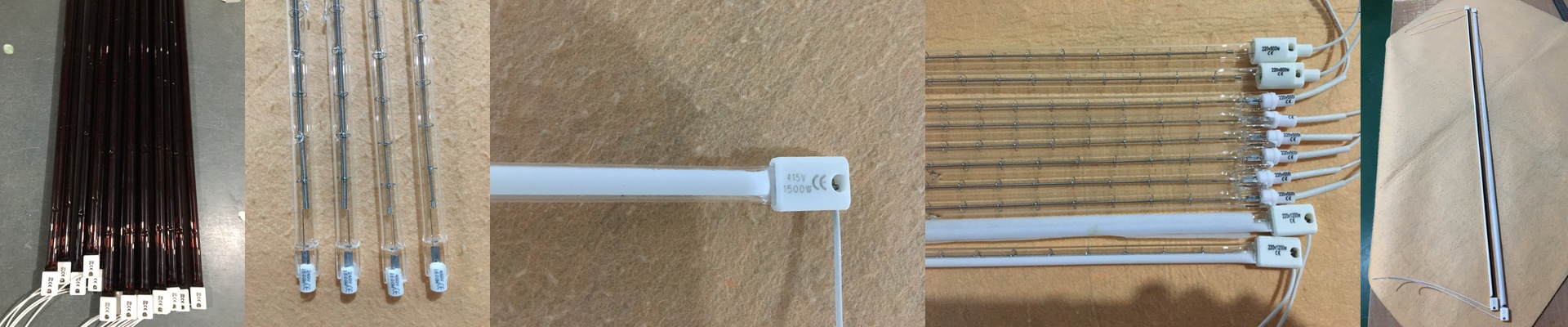
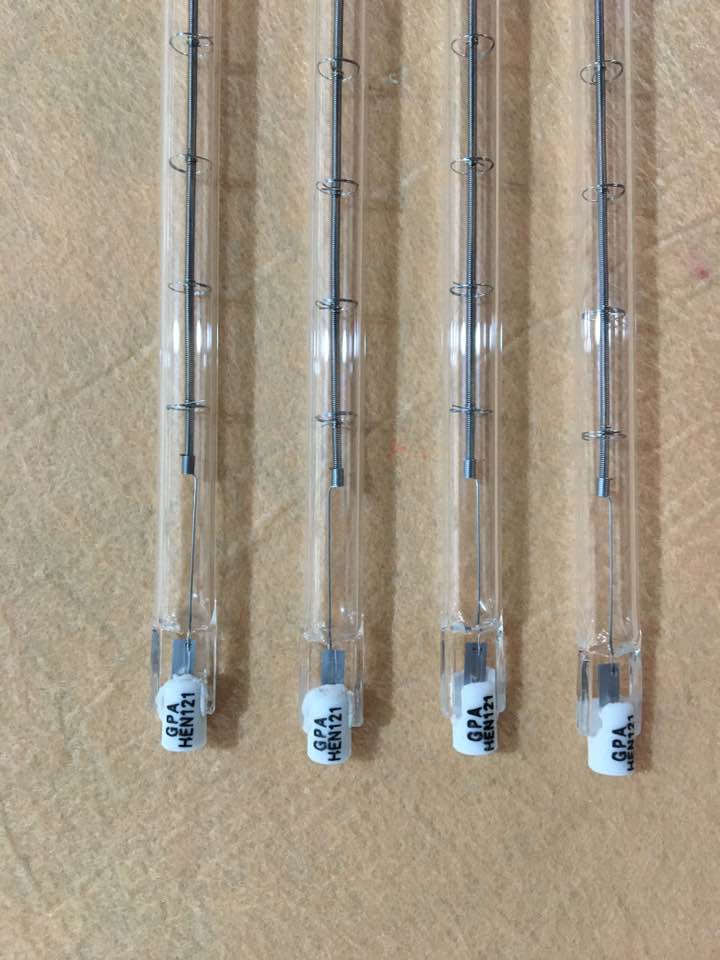
Let’s talk about halogen infrared lamps. If you need to move a lot of heat, fast, these are your best bet. Basically, we take a tungsten filament, wrap it in a quartz envelope, and fill the whole thing with a specific halogen gas mix. Why? Because that gas stops the filament from evaporating too quickly. It lets us crank the temperature way higher than what you’d find in a regular light bulb without blowing the thing out. Getting the power right When we’re picking a lamp, it all comes down to how much heat flux you actually need. If you’re using longer tubes—say 300mm or 500mm—we usually run them at higher voltages (like 230V or 400V). This keeps the current from getting out of control. Just a heads-up: make sure your power supply matches the lamp. If you get this wrong, you’ll fry the filament the second you flip the switch. The upside? The ramp-up is nearly instant. You don’t wait around for things to warm up; you get heat right away. The build: Quartz and Connectors We use heavy-wall quartz because these things go through a lot of thermal shock. They heat up and cool down fast, and cheap glass just wouldn’t hold up. Depending on your setup, we can do R7s or SK15 connectors. They’re designed to slide right into most industrial ovens or PET blowing machines without a fight. Some of our lamps also have special coatings. These are great because they shift the emission spectrum, allowing the heat to soak deep into your material instead of just scorching the surface. Real-world use (and the traps to avoid) You’ll see these in everything from plastic welding and paint curing to blowing PET bottles. They’re perfect for when you need to soften polymers in a matter of seconds. But look, there are a few things to watch out for. These lamps runhot. Really hot. That shortwave radiation is powerful, and if your shielding is sloppy, it can actually degrade your nearby wiring. And here is a pro tip: keep your reflectors clean. Seriously. A thin layer of dust on your mirror can kill your heat output by 20%. It’s a huge waste of energy. One last thing—use high-temp leads for your wiring. You don’t want to find out the hard way that your insulation has melted.