How we actually get a quartz lamp to last 5,000 hours
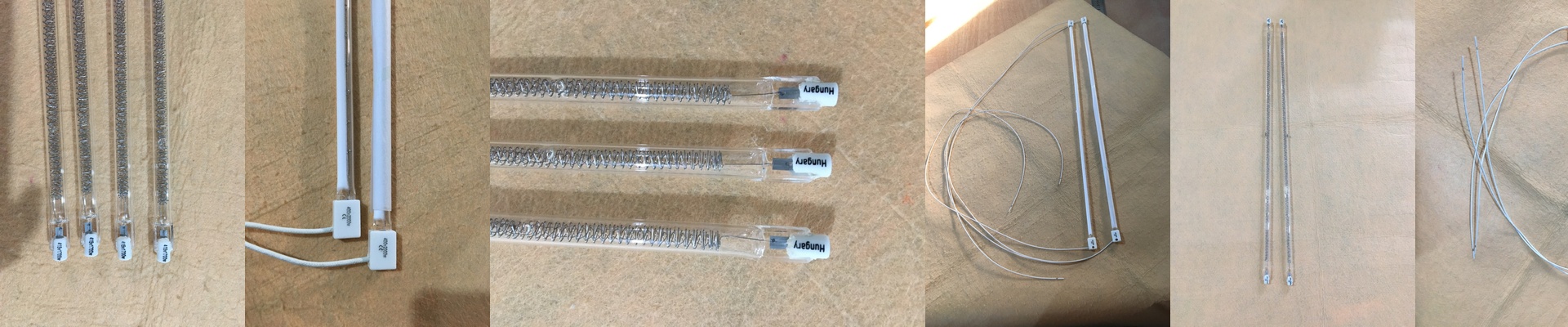
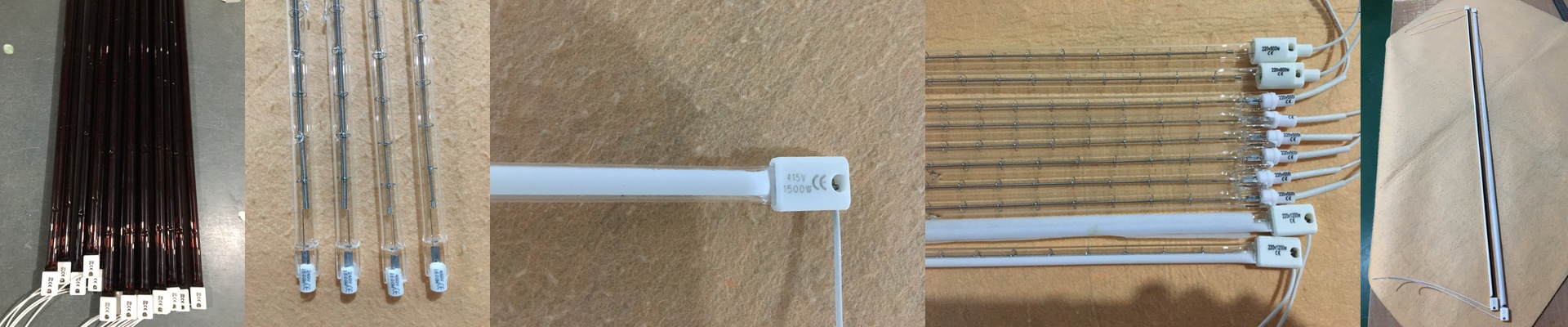
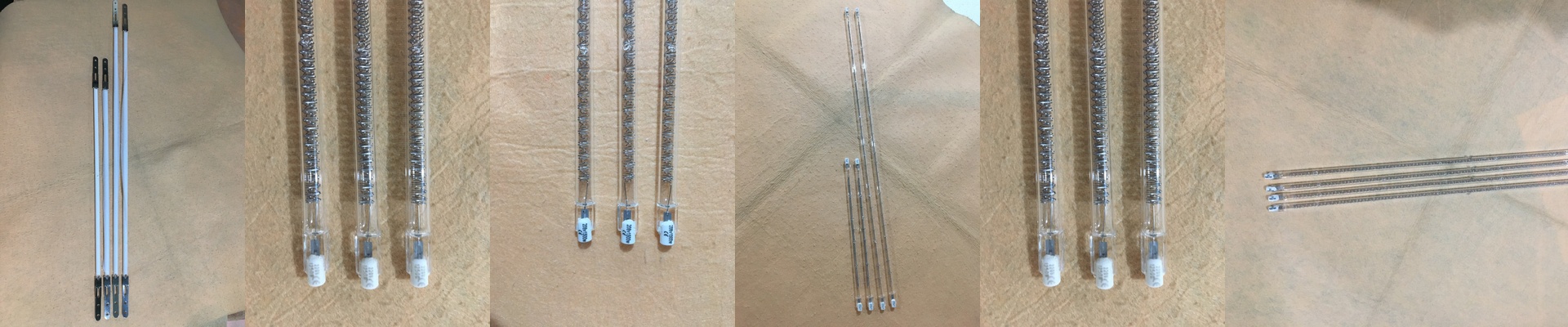
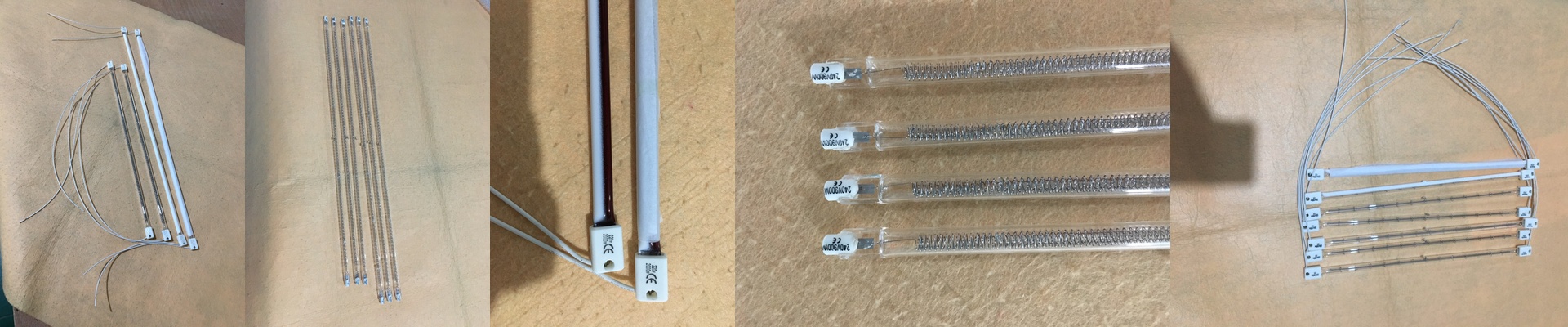
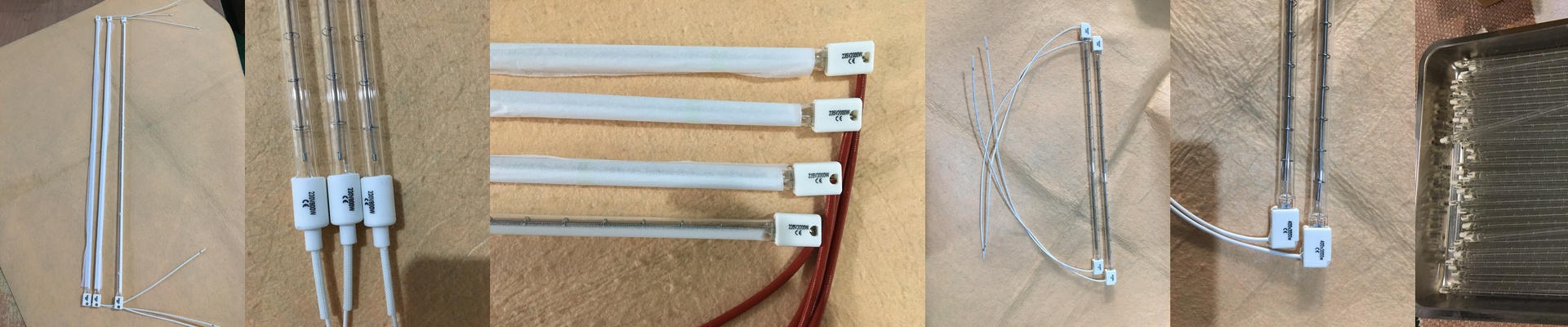
If you’re running Barberan floor coating lines, you know the drill. You need that IR heat to be steady. Too cold and the resin doesn’t cure; too hot and you’ve scorched your substrate. The real headache, though? The downtime. There is nothing worse than a lamp burning out right in the middle of a big run. We got tired of that, so we built a replacement that actually lasts. The secret is in the wire. Most lamps die because the tungsten filament basically evaporates under the heat. It gets thin in one spot—a “hot spot”—and then snap. Game over. We switched to a rare-earth doped filament. It’s a specialized alloy that doesn’t thin out nearly as fast. It keeps the wire stable, which is how we push the life of the lamp past the 5,000-hour mark. It’s not just “glass.” Then there’s the tube itself. We use high-purity fused silica quartz. Think about what happens when you flip the switch on a Barberan dryer. The temperature spikes hundreds of degrees in a heartbeat. Cheap quartz can’t handle that kind of thermal shock and it just cracks. Our tubes take that hit without breaking a sweat, which keeps the halogen cycle humming along. A quick word on the “Halogen Cycle” We use a halogen gas fill to push that evaporated tungsten back onto the filament. It keeps the heat even across the whole tube, so your cure is consistent. But here’s the thing: these lamps put out a ton of heat, especially at the ends. If your reflector housing is warped or your cooling fans are clogged with dust, the lamp is going to fail at the end-caps. No matter how good the filament is, you’ve got to keep the airflow clean. Getting them installed We made these to be simple drop-in replacements. The size and electrical specs match your Barberan racks exactly. You won’t need to mess with your ballast or rewire your power supply. Just pop them in. One tip: make sure your contacts are scrubbed clean. You don’t want any arcing at the terminals once you power up.