Stop Overpaying for the Logo on Your IR Lamps
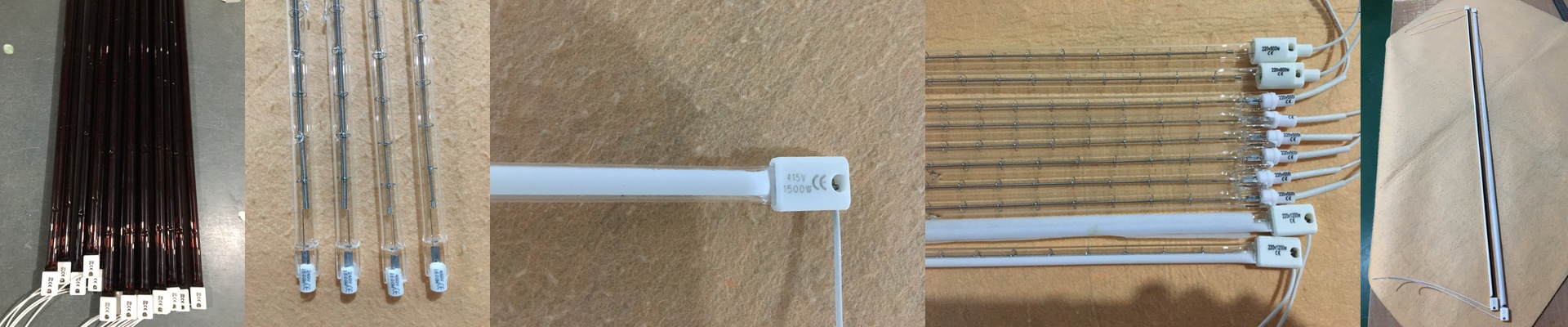
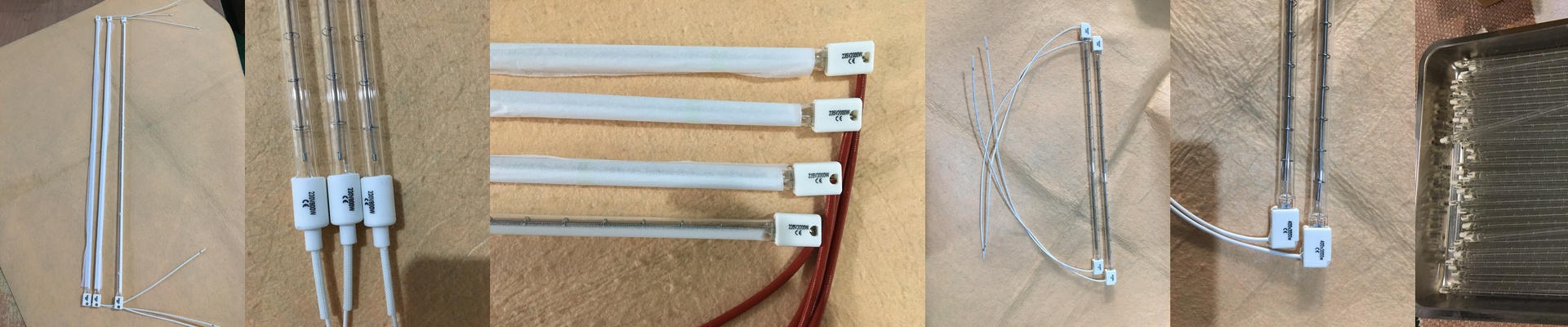
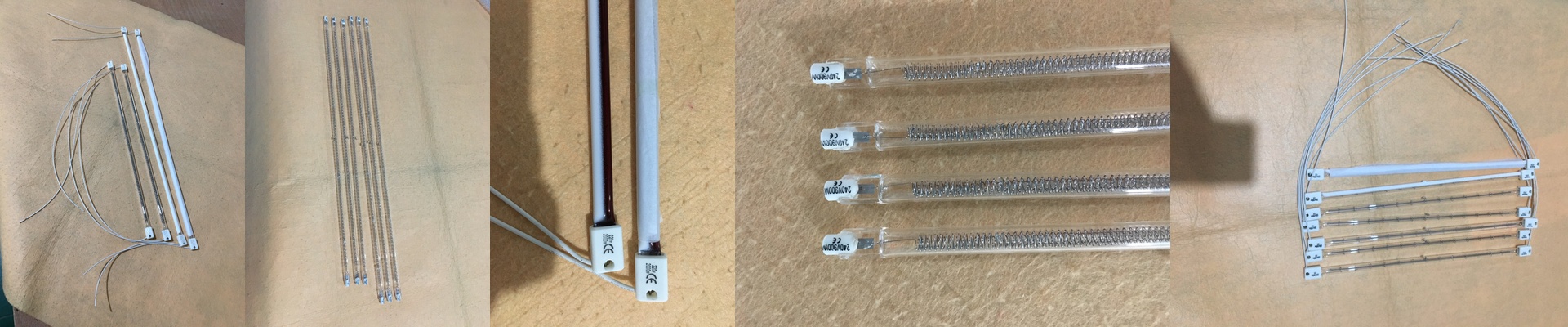
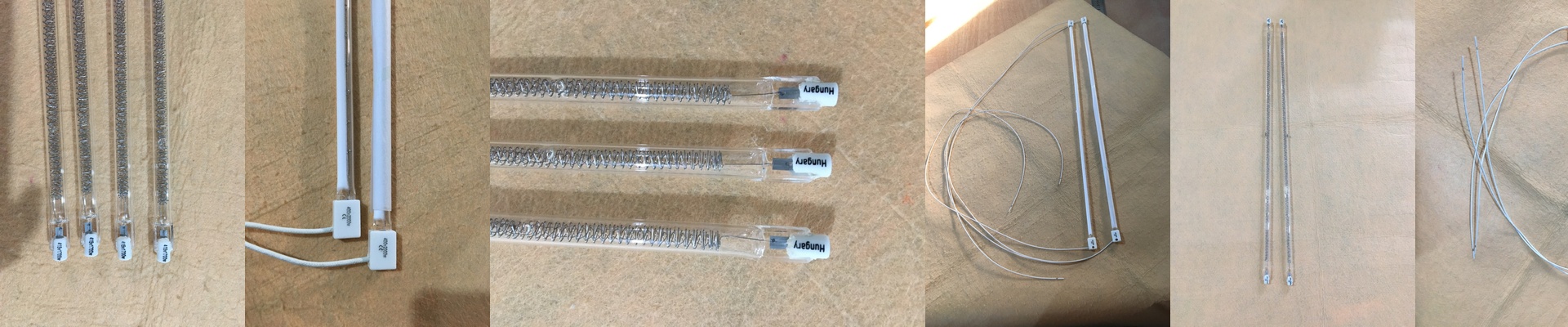
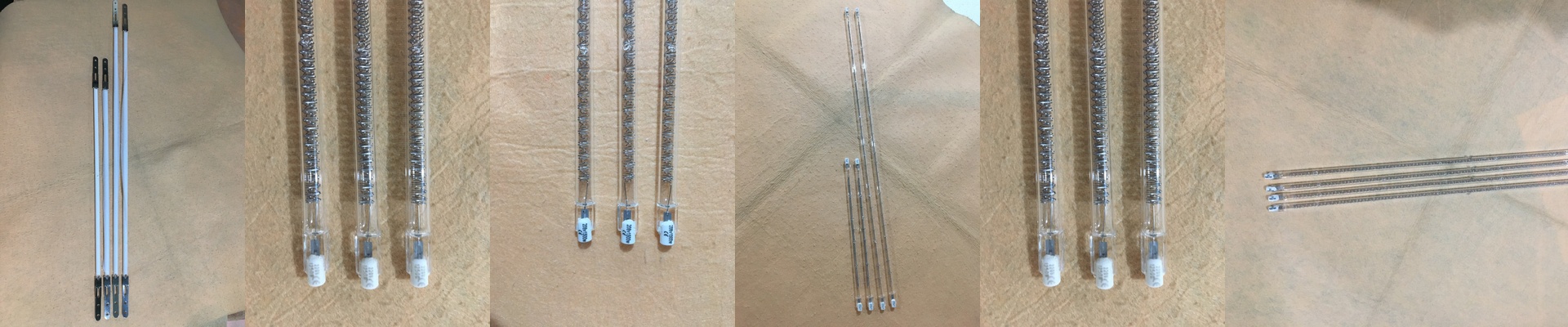
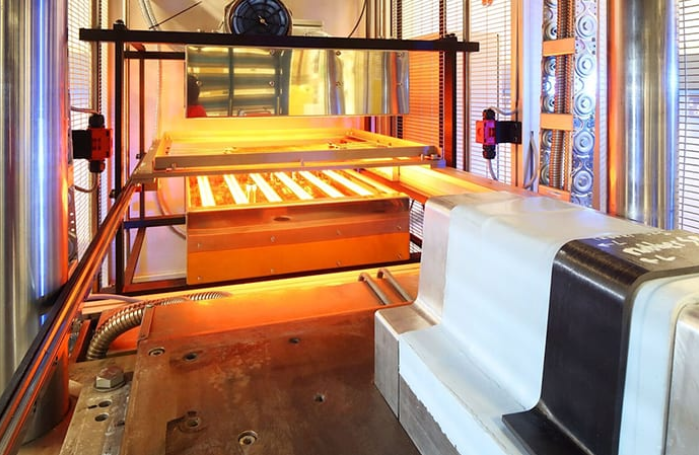
Let’s be honest. A lot of plants spend way too much money on big international brands because they think a fancy name equals better heat. But here’s the thing: physics doesn’t care about logos. Whether you’re drying wood or curing a finish, what actually matters is the filament, the quartz, and the electrical load. That’s it. We build our lamps to be simple, drop-in replacements that do the exact same job as those expensive OEM parts—without the “brand tax.” Getting the heat right If you want a consistent cure across your wood, you need the right amount of wattage per millimeter. It’s a balancing act between voltage and the length of the tube. If you’re running a 400V system, you can cram more wattage into a shorter tube. This gives you a really concentrated heat zone. Just a heads-up, though: that kind of intensity puts a lot of stress on your reflectors. You’ll want to keep a close eye on your alignment so you don’t end up with annoying hot spots. The nitty-gritty stuff We use high-purity quartz glass. Why? Because we want those IR waves to fly straight through the tube rather than getting trapped inside it. Depending on what you’re working on, we can coat the glass to shift the spectrum from shortwave to medium-wave. That’s the secret to getting the heat to actually penetrate deep into the wood grain instead of just scorching the surface. For the connections, we stick with R7s or Sk15. They’re the old reliable of the industry. They handle the heat and the expansion without wiggling loose. Making it work in the real world The best part is that these just slide right into your existing racks. No need to redesign your whole setup. They’re tough, too—built to handle the dust and grime of a working wood shop. One quick tip: if you’re swapping out a low-power lamp for a high-output one, double-check your contactors. Make sure they can handle the extra current. There’s nothing worse than popping a legacy breaker and burning out a brand-new set of lamps on day one.