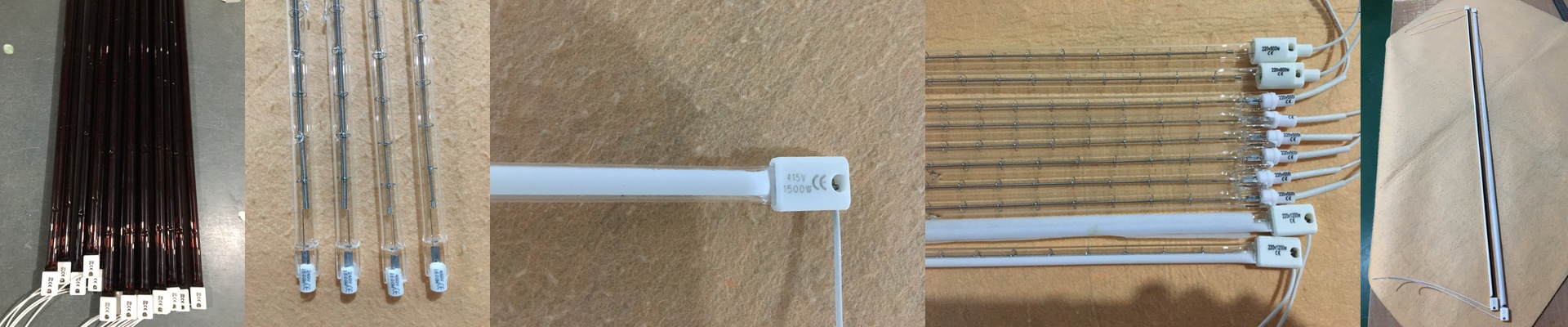
Halogen Heating Lamps for PET Blowing: Power, Precision, and Reliability
We built these halogen heating lamps for one place: the PET blowing line. Because in PET blowing, the heat profile isn’t just “nice to have”—it’s the heartbeat of the process. It shapes how the parison stretches, and it quietly decides the final bottle quality. These lamps throw rapid, focused infrared energy exactly where you need it, so PET preforms heat up fast—and evenly.
Power, Voltage, and Size: The Details That Matter
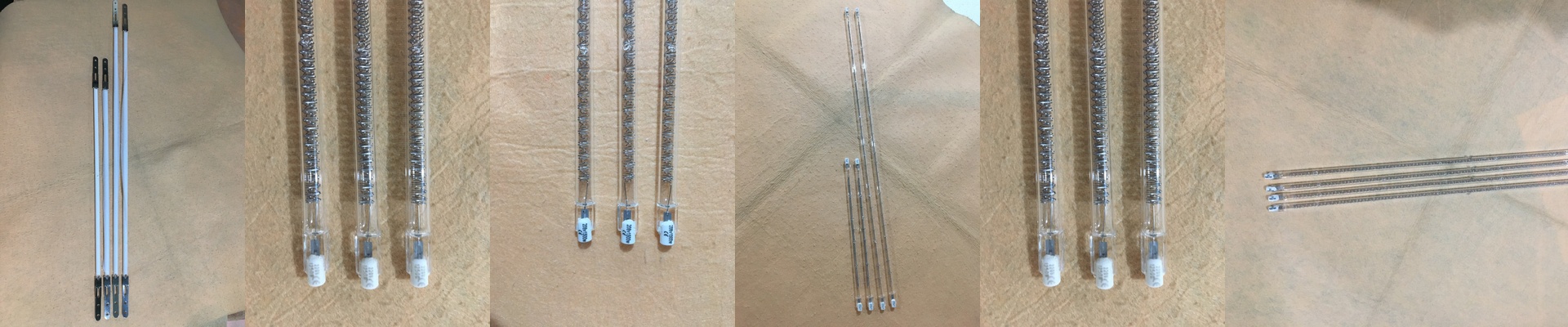
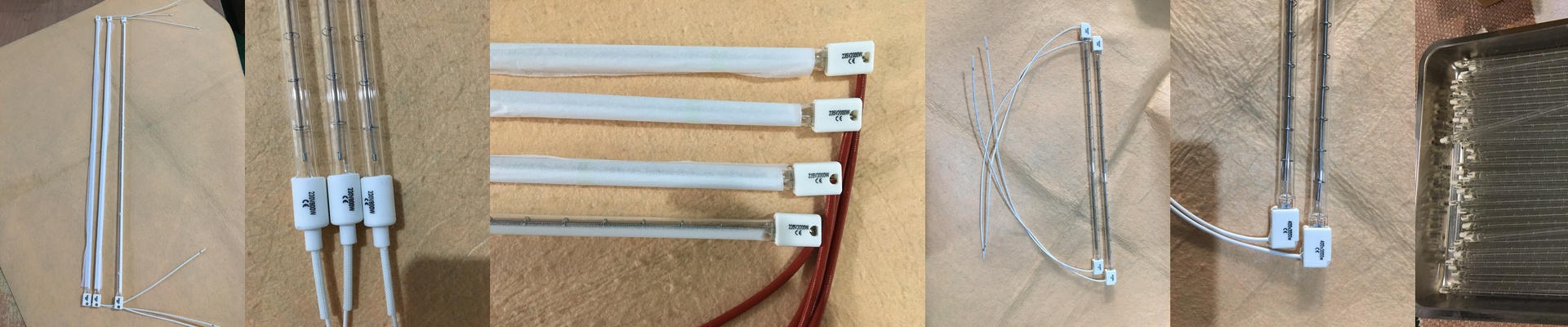
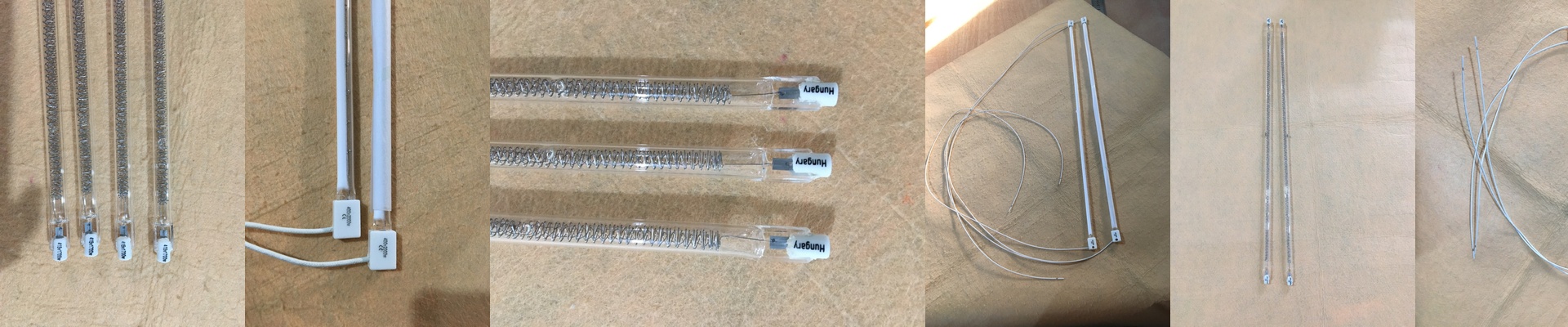
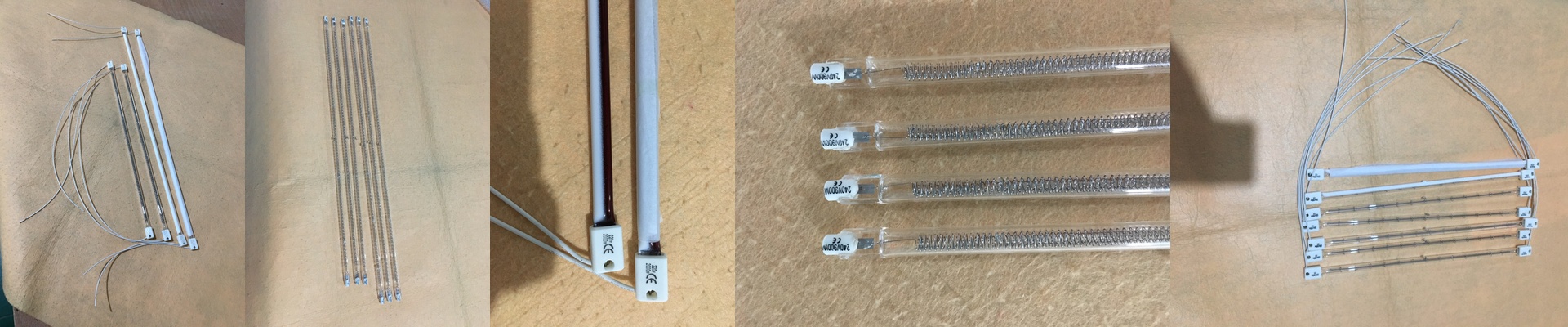
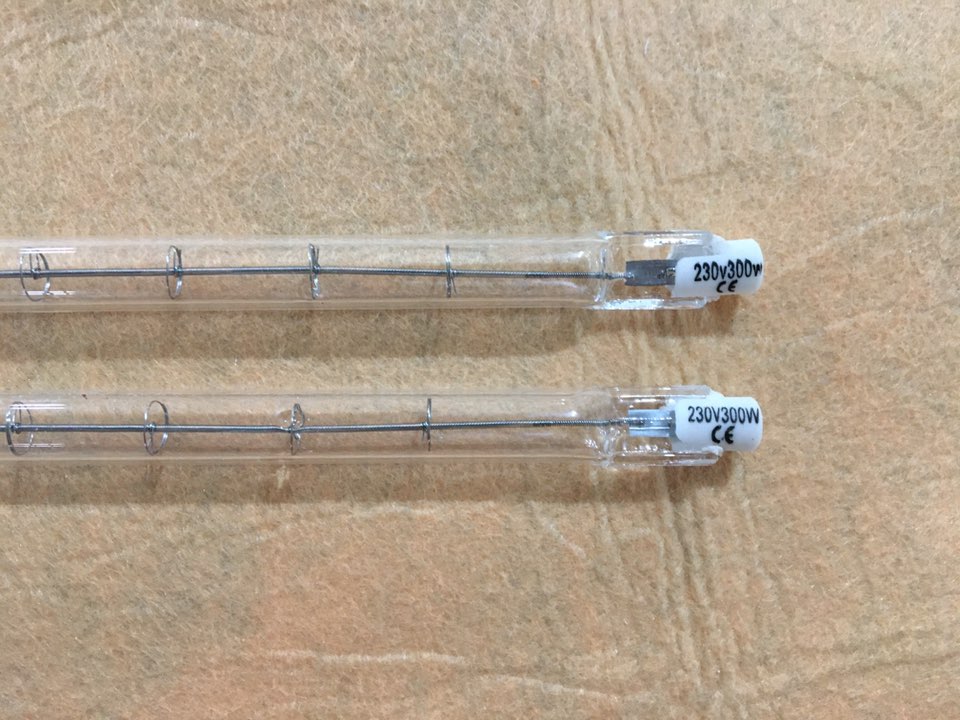
Here’s the thing: these lamps are built around serious power density. They typically run at2500W, on a400Vsupply, all packed into a compact quartz envelope. And the300mm tube length? That’s chosen to match the heater block window in standard blow molding heads. So you get a tight thermal footprint—clean, contained, and right where it needs to be. Going with higher voltage helps in a practical way, too. It keeps the current lower for the same wattage, which eases the load on the control wiring and cuts down on voltage drop across the connection.
What’s Inside: Halogen, Quartz, and R7s
Inside the quartz tube, the halogen cycle keeps the filament stable and prevents that annoying blackening. The payoff is simple: the output stays consistent over the life of the lamp. Quartz also handles the stress of rapid on/off cycling—without cracking under thermal shock. And theR7s bi-pin connectors? They’re a proven industrial choice. They lock in quickly, carry the electrical load reliably, and make replacement a straightforward drop-in job. No fussing. No guesswork.
On the Line: Why Halogen Works for PET Blowing
In PET blowing, you need heat on demand—fast response and repeatable temperature control. Halogen lamps hit target temperature almost instantly, so you can fine-tune heating zones without waiting around for thermal lag. That kind of speed comes with real heat density, though. So the machine’s cooling and reflector setup has to be properly matched to manage ambient heat and keep the surrounding components protected.