Introduction
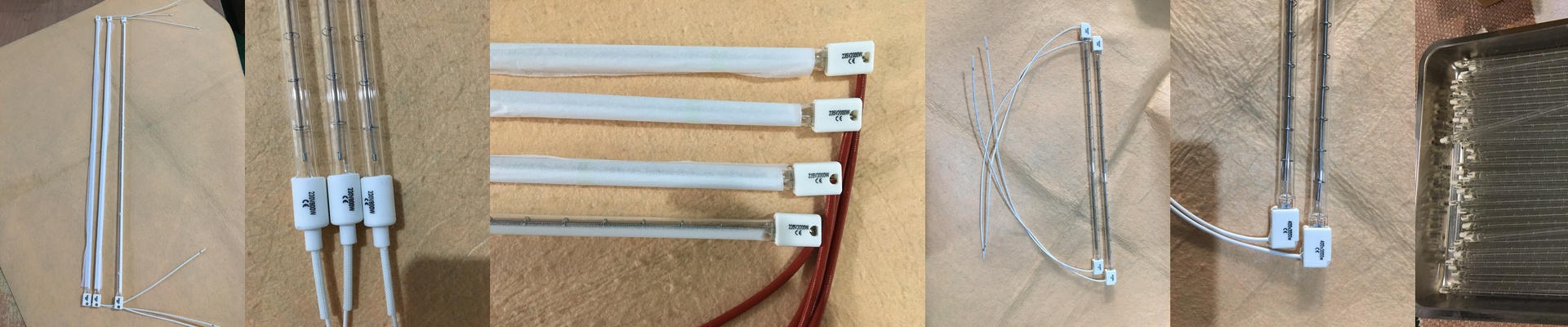
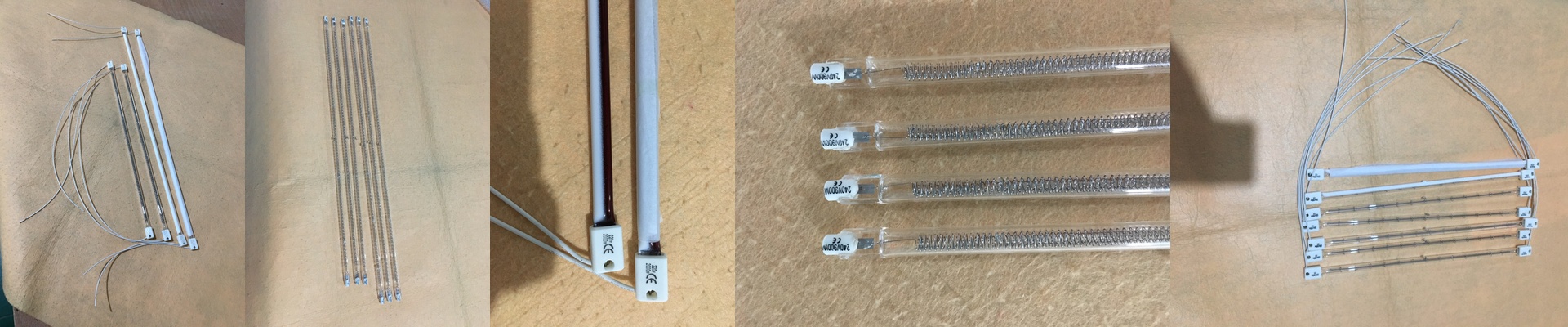
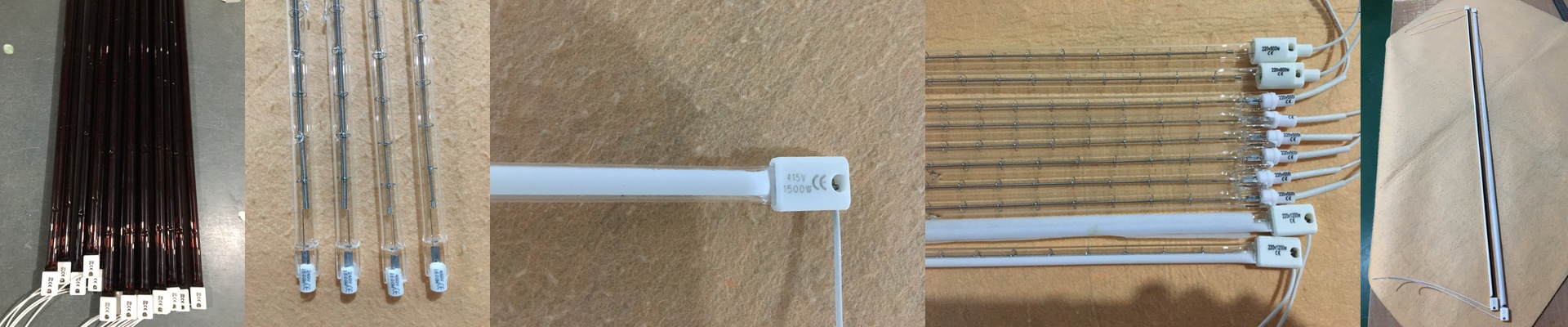
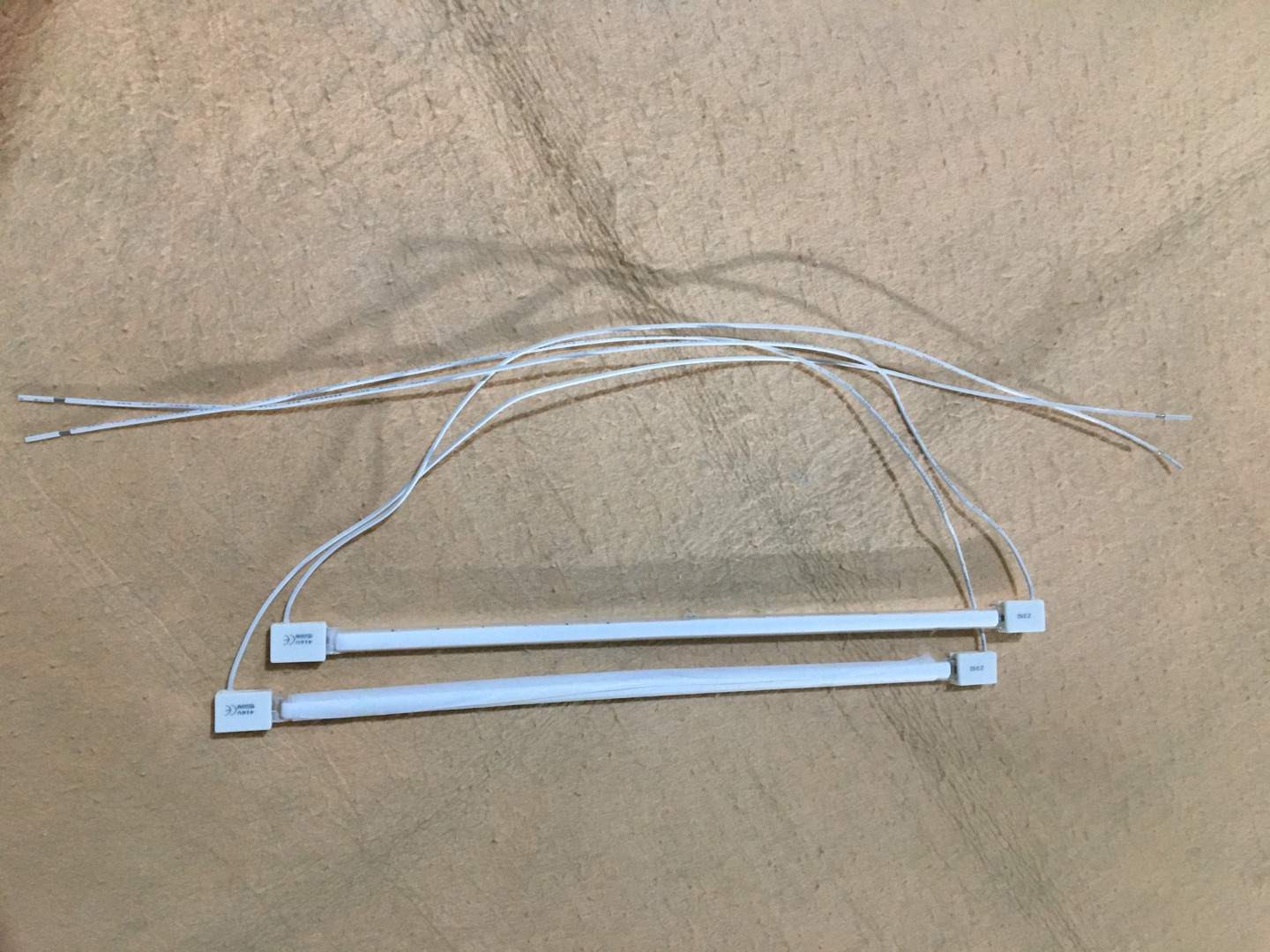
Let’s get straight to it. We build gold-coated halogen lamps for industrial heating jobs—the kind that demand serious power in a seriously compact space. Forget your everyday household bulb. This isn’t that. This is a purpose-built piece of engineering, designed to blast out intense, focused infrared heat for the toughest processes. If your machine needs heat, and it needs it fast and right where you want it, this is the core you spec in.
The Nitty-Gritty
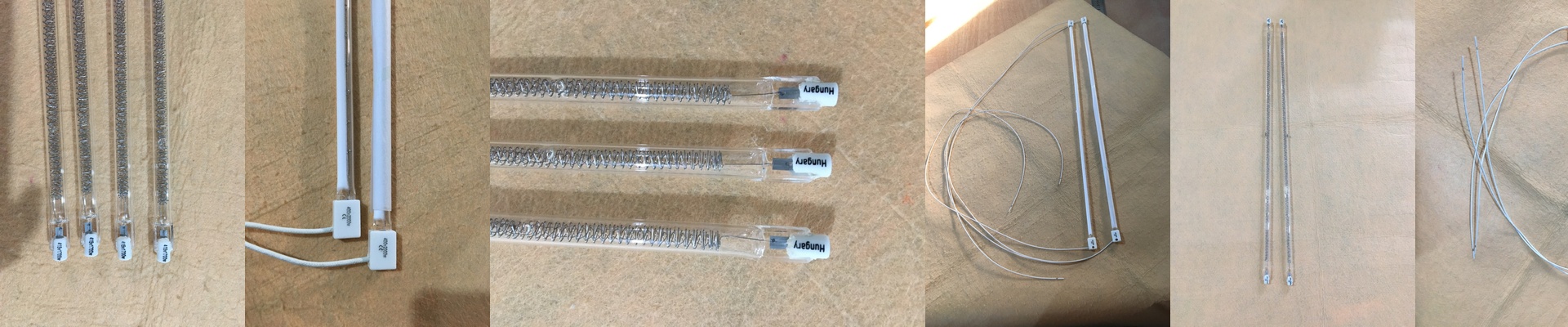
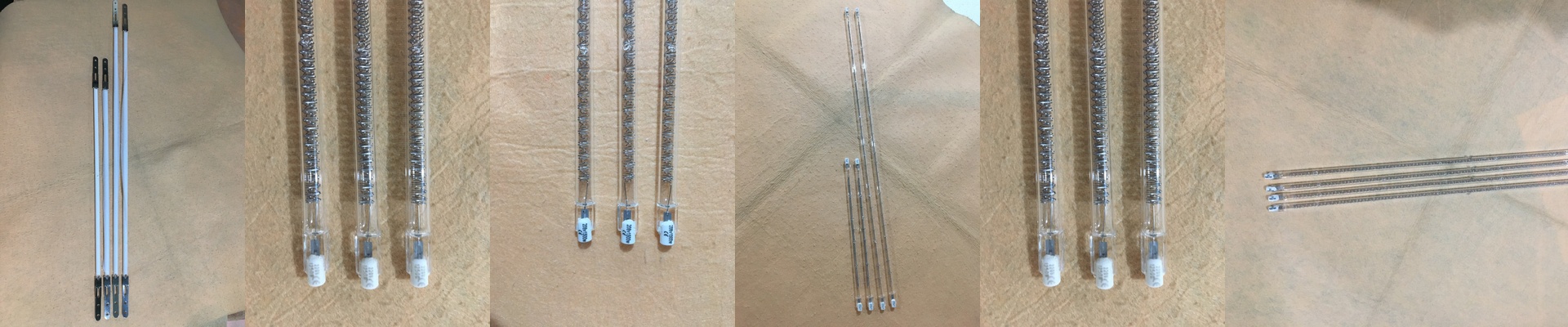
Let’s talk about what makes this thing tick. It’s rated at 400V, which lets it pump out serious wattage—we’re talking up to 2500W—while running smoothly on standard industrial power. That high voltage pushes the filament to extreme temperatures, which is how you get that powerful infrared radiation. Then there’s the size. The tube is typically 300mm long, built to slide into tight heating modules without losing any of its punch. That compact shape is a gift when you’re designing a machine with a small footprint. But here’s the thing: it also concentrates a lot of heat in a small area. So you’ll need to plan your cooling and clearances carefully.
What Makes It Tick
That gold coating isn’t just for looks. It’s applied to the inside of the quartz tube to reflect infrared energy back onto the target. The result? You’re directing the heat forward where you need it, not wasting it by letting it bleed out the sides. And that quartz envelope? It’s tough. It handles the searing filament temperatures and can take the shock of rapid on-off cycles without cracking. You’ll also find an R7s connector on the ends. It’s the standard for this shape, and for good reason. It gives you a solid, two-ended electrical connection that keeps the lamp held firmly in place. That means stable contact, less arcing, and a simple, straightforward replacement when it’s time for maintenance.
Real-World Grind
Think about applications like PET blowing or plastic thermoforming. You need heat on demand, and you need it fast. This lamp delivers by hitting its operating temperature in seconds. That rapid response gives you precise control over the heating cycle, which is exactly what you need for consistent, high-quality parts. Because the heat is so concentrated, you can use smaller heating zones. That makes your machine design simpler and keeps overall energy use down. Just remember, this thing runs hot. Handle it only when it’s cold, and make sure the surrounding components and wiring can handle the heat. This is a rugged, no-nonsense workhorse built for the shop floor.