Introduction
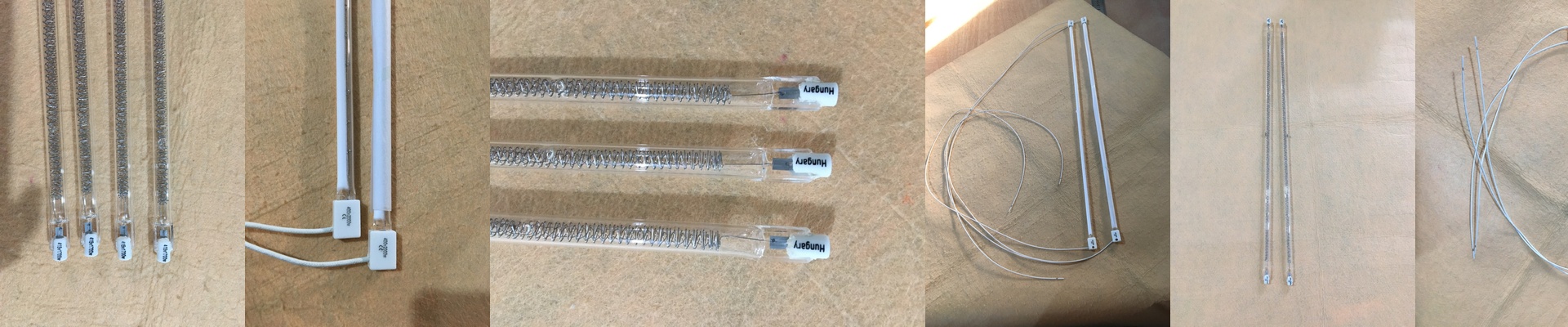
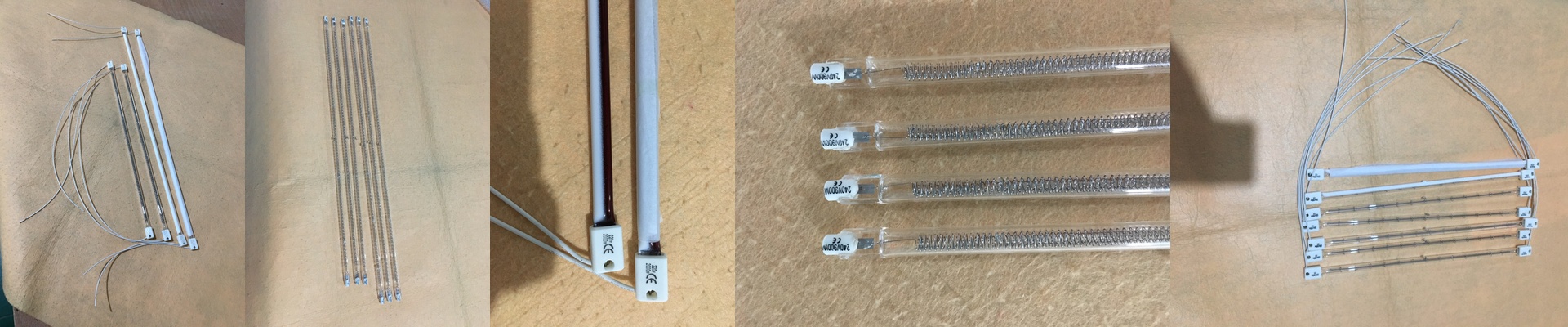
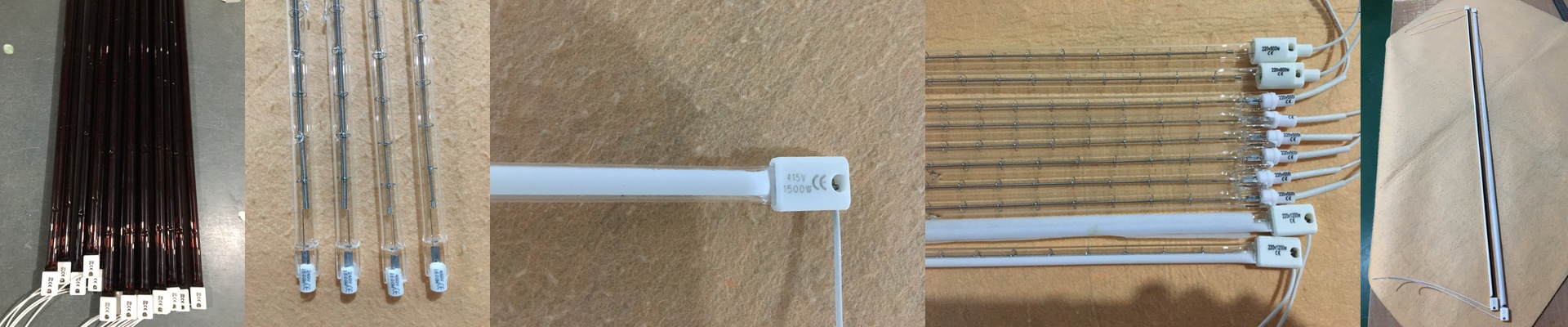
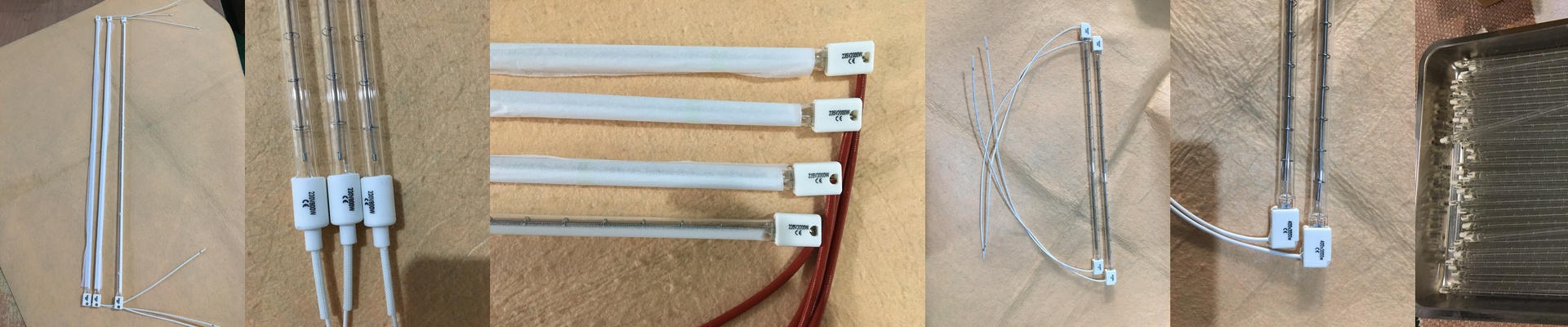
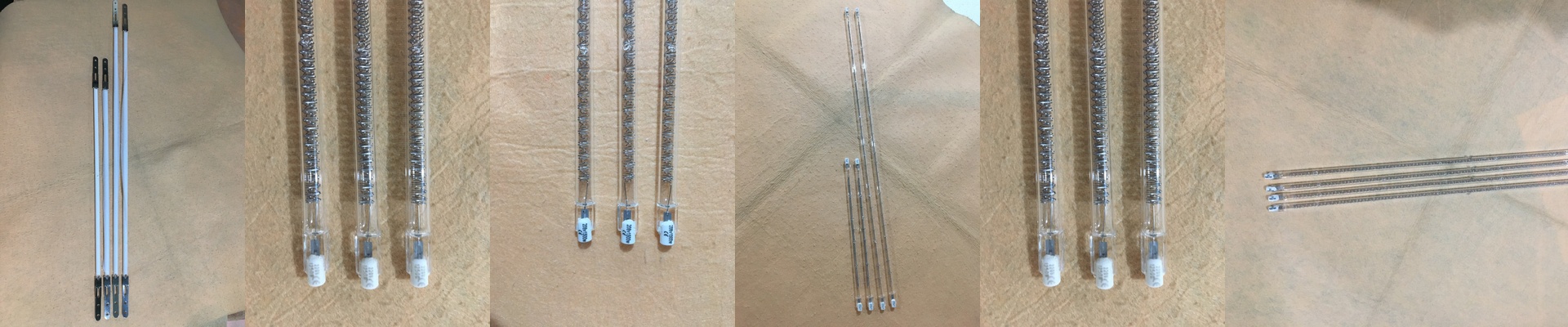
A customized halogen heat lamp is a purpose-built infrared emitter engineered for industrial process heating where you need fast response, high heat density, and a compact footprint. We build these lamps to specific electrical and mechanical constraints—wattage, voltage, length, and end-fit—so they drop into existing machinery without redesigning the thermal chamber. This is not a general-purpose bulb; it is a thermal component sized to match a machine’s heat zone and duty cycle.
Technical Deep-Dive: Power, Voltage, and Dimensions
Halogen heat lamps are sized by wattage, voltage, and physical length because those three variables determine heat output, current draw, and available mounting space. High wattage in a short length gives you intense infrared flux, but it also drives higher current and demands robust terminals and wiring. When we specify a high-voltage option such as 400V, the intent is to deliver the required wattage while reducing current for a given length. Lower current means smaller conductors, less I²R heating in the wiring, and reduced voltage drop across the circuit. That advantage comes with a trade-off: the lamp and its socket must be rated for the higher voltage, and your control gear must match. If you run a high-wattage lamp in a confined reflector, you need adequate airflow and thermal management; otherwise, the reflector temperature climbs and shortens component life. We match the wattage and voltage to the chamber size so you get the target surface temperature without overdriving the fixture.
Material & Design: Halogen Element, Quartz Tube, and Connectors
The core of a halogen heat lamp is the tungsten-halogen cycle inside a quartz envelope. The halogen gas allows the filament to operate at very high temperatures, producing a high proportion of infrared output in the shortwave range. This translates into rapid heat-up and immediate response to changes in power. The quartz tube is not just a housing; it withstands thermal shock and maintains clarity so infrared transmits efficiently. We apply coatings to manage output characteristics—either to shape the spectral profile or to control surface temperature and reduce unwanted visible glare. The coating also helps the lamp take a beating in dirty environments where thermal cycling and contamination would otherwise degrade performance. Connectors are a practical reliability issue. R7s and Sk15 are common because they provide solid mechanical retention and good current handling. R7s is a double-ended linear fit used widely in industrial heating, and Sk15 gives you a secure, aligned connection in tight fixtures. The connector choice reduces hot spots at the joint and keeps the lamp seated under vibration, which matters on a running machine.
Application & Benefits: Matching the Lamp to the Process
Customized halogen heat lamps are used where engineers need fast, localized heating with minimal warm-up delay—think plastic forming, sealing, adhesive curing, and component drying. If your machine has a fixed tube length and a defined power window, a standard off-the-shelf emitter often misses the mark. We tune the length, wattage, and voltage so the lamp fits the chamber and delivers repeatable heat. The practical payoff is straightforward: you get a drop-in replacement that matches the original thermal profile, and you can standardize spares across multiple machines. The trade-off is real: high heat density requires proper cooling and clean mounting surfaces. If the reflector is dirty or airflow is blocked, the lamp runs hotter, and output drops faster. Spec the lamp to the process, wire it up to the rated terminals, and maintain the fixture—then the system runs as designed.