Introduction
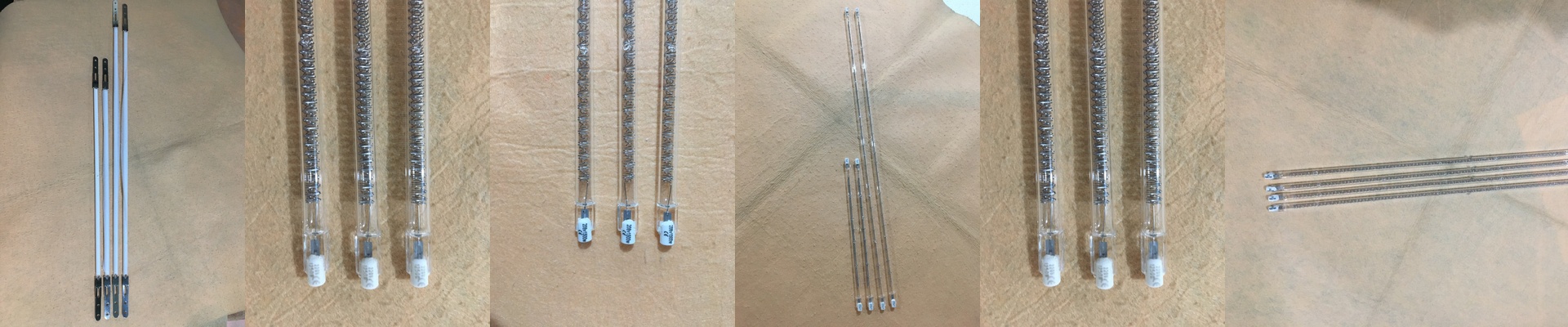
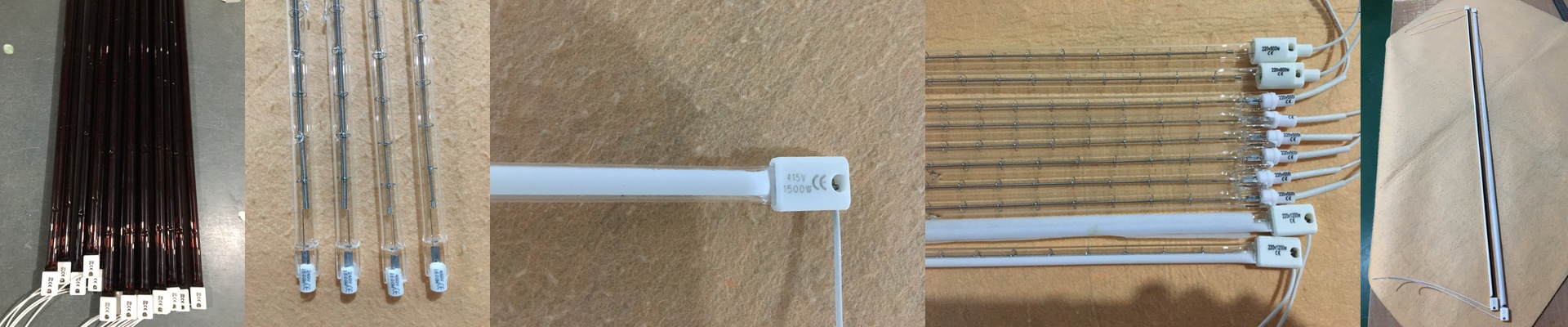
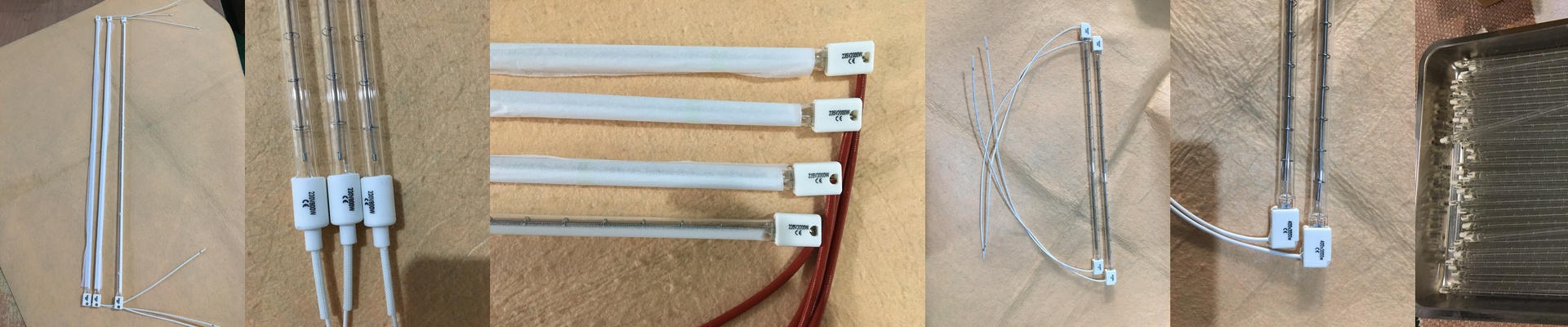
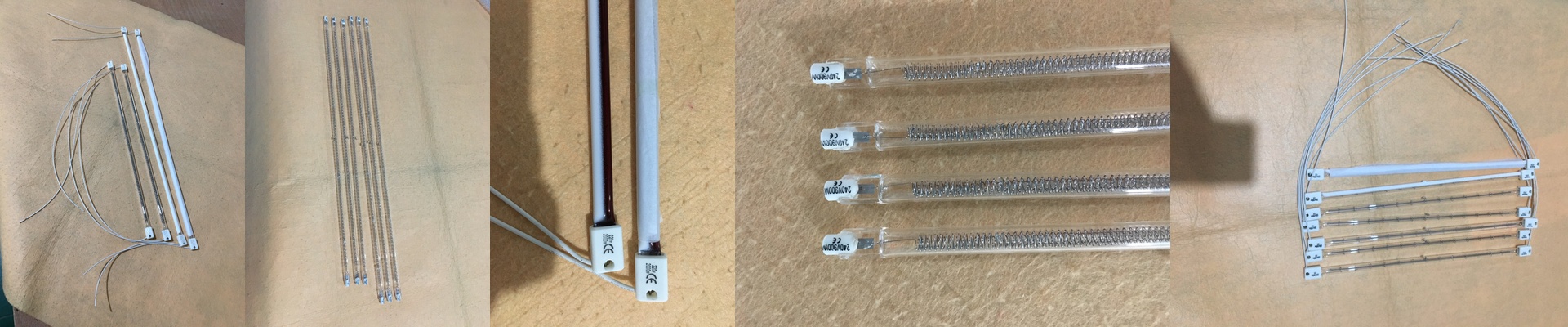
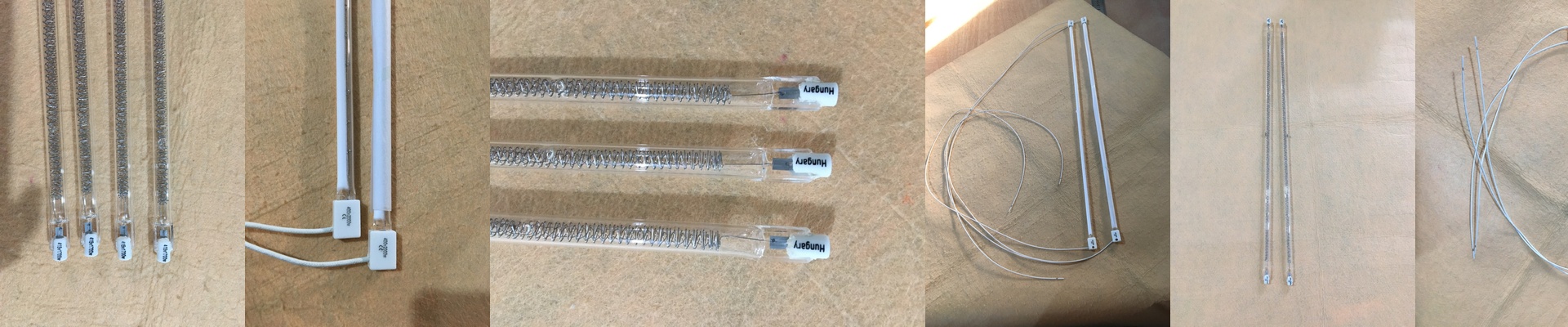
We built this quartz halogen lamp for one reason: to be a straight-up infrared workhorse for industrial heating. It’s all about packing serious energy into a small footprint and giving you heat that’s stable, predictable, and controllable. Forget gentle, ambient warmth. This is direct, line-of-sight heat. It gets the job done fast, exactly where you need it.
The Nitty-Gritty: Power, Voltage, and Size
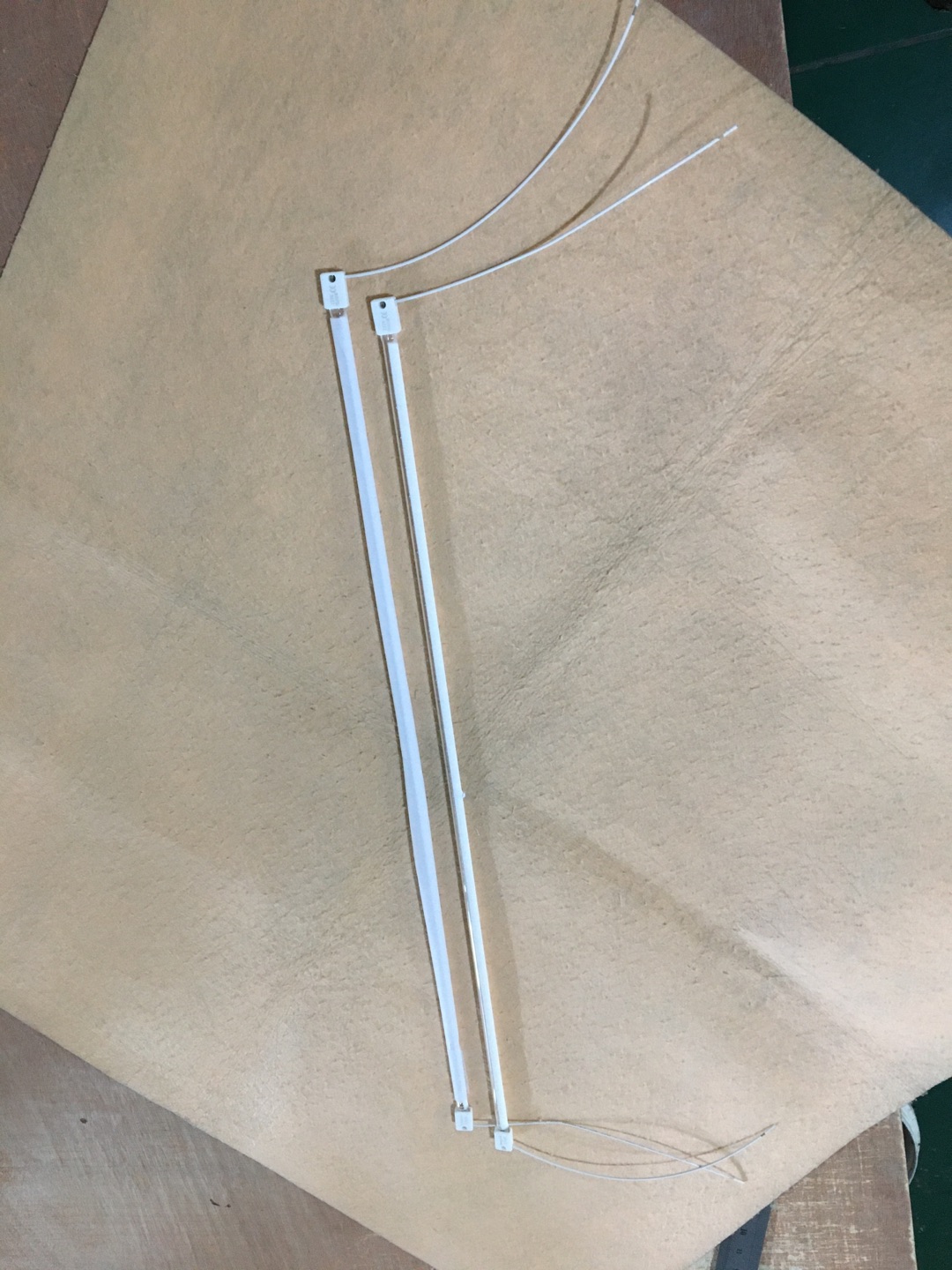
Let’s talk specs, but the useful kind. We run this on 400V, which lets you push serious wattage over longer runs without losing your head to voltage drop. The wiring stays neat, too. At 2500W, it cranks out intense heat almost instantly. That means when your process needs to recover temperature on the line, it doesn’t have to wait around. The tube itself is 300mm long—a sweet spot we found. It gives you a solid heating zone, but it’s still short enough to slip into tight spots inside your machinery. That shape helps focus the infrared energy, so you get predictable hot spots and a heat profile you can count on, time after time.
What It’s Made Of: Quartz, Halogen, Coating, and Connections
Quartz is the backbone here. It can take extreme heat and handles rapid on-off cycling without cracking under pressure. The halogen cycle is the quiet hero. It keeps the filament clean by redepositing evaporated tungsten back where it belongs. The result? Consistent output and a longer life than you’d get from a standard incandescent element. Inside, the coating is tuned to shape the infrared spectrum. It pushes energy toward shortwave and near-infrared bands—the kind that most plastics and coatings soak up quickly. So you get faster heating with less wasted energy as convective heat. For hooking it up, we use an R7s connector. It’s a solid, two-contact connection that’s easy to wire and holds its alignment inside the socket or reflector. If your machine layout calls for something different, we also offer an Sk15 base option.
Where It Shines: Real-World Use and What It Means for You
This setup was born for tough thermal jobs. Think PET blowing, plastic welding, curing adhesives, and drying coatings. It responds fast and holds temperature steady, which helps you cut down cycle times and keep a tighter grip on your process. Now, there’s one thing to keep in mind. All that watt density means serious heat, so your equipment needs proper cooling and thermal management. Make sure your heat shielding and ventilation are up to the task. When you size the system right, this lamp becomes a reliable, drop-in heating element that just keeps your throughput moving.