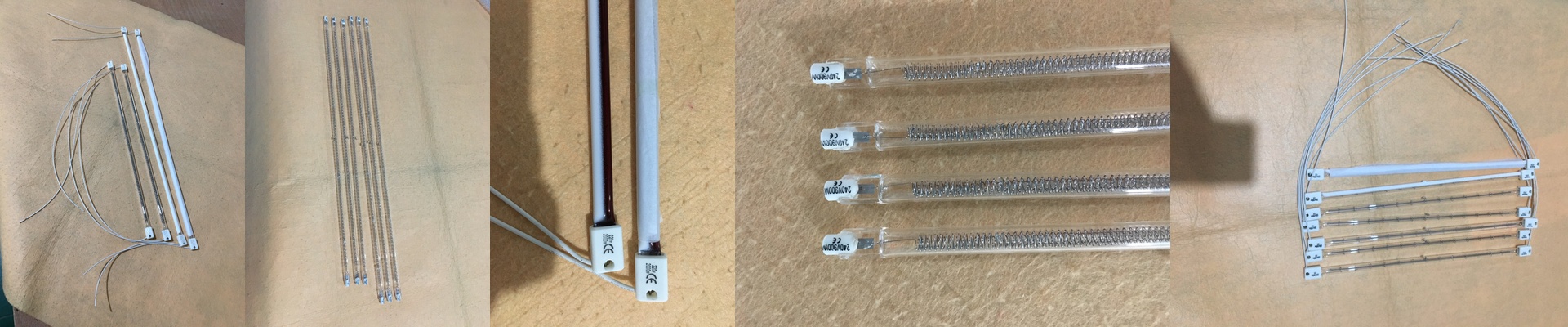
Introduction
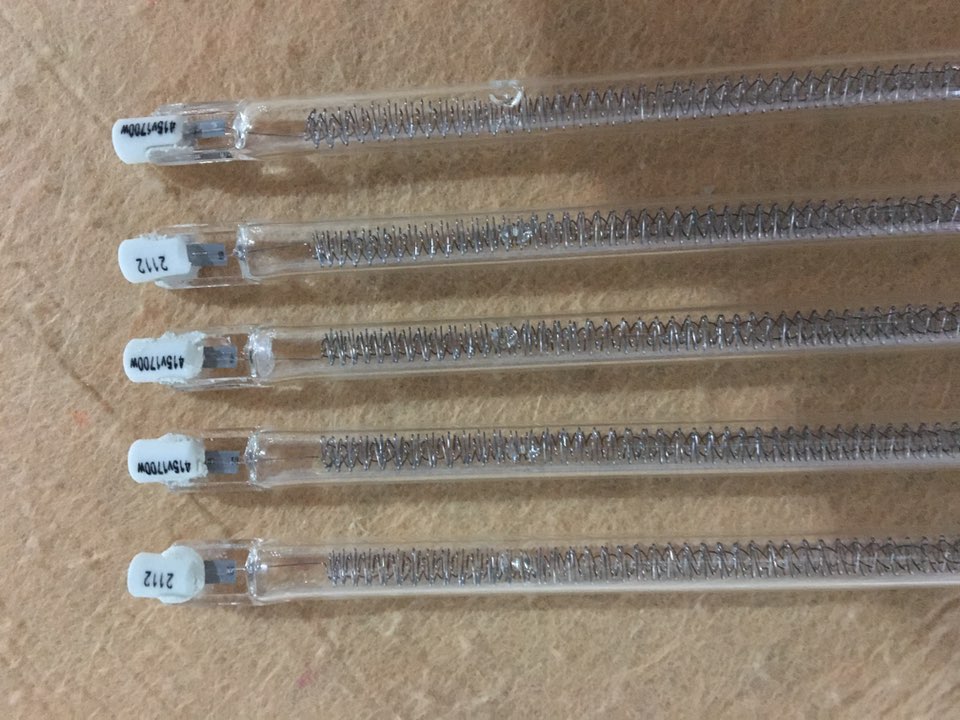
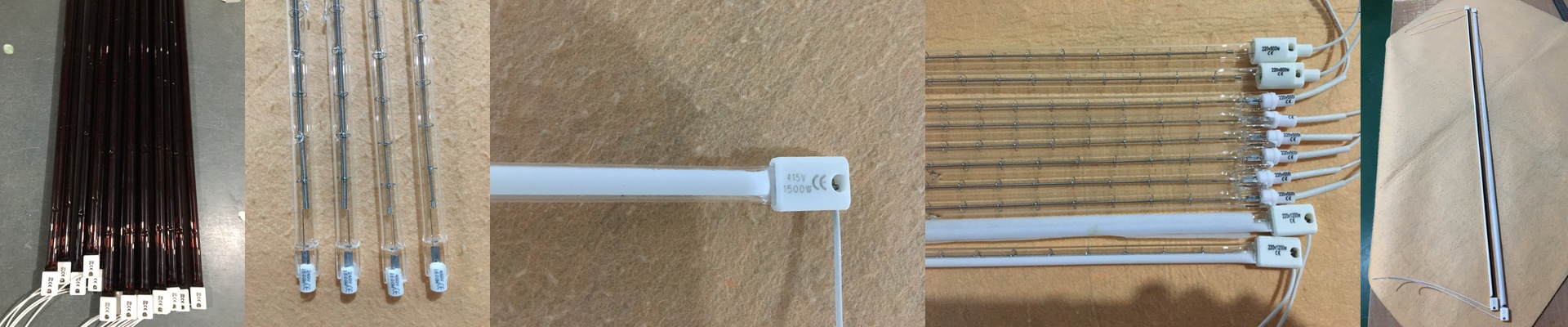
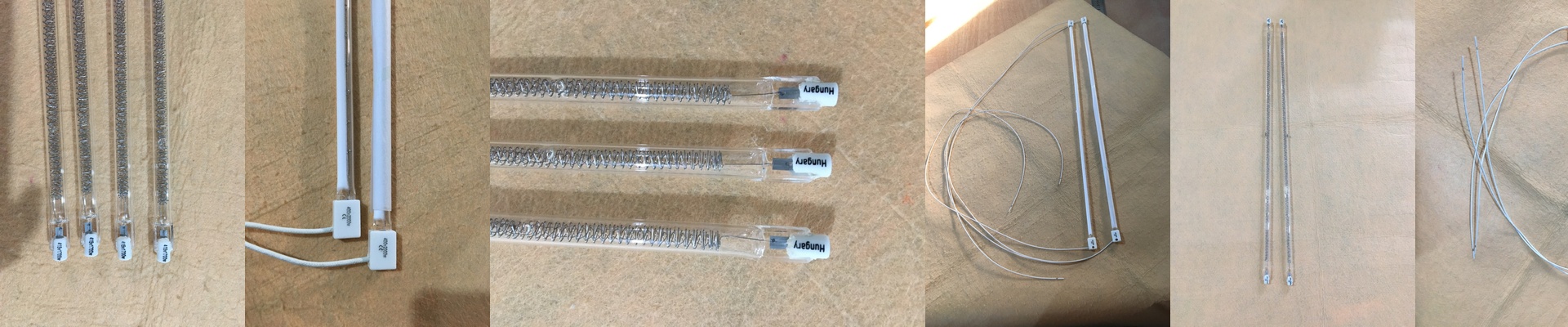
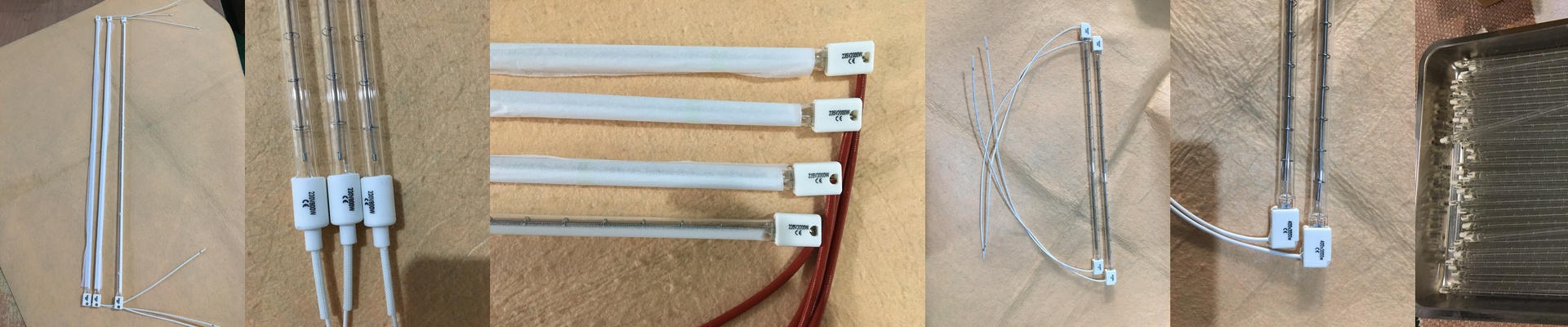
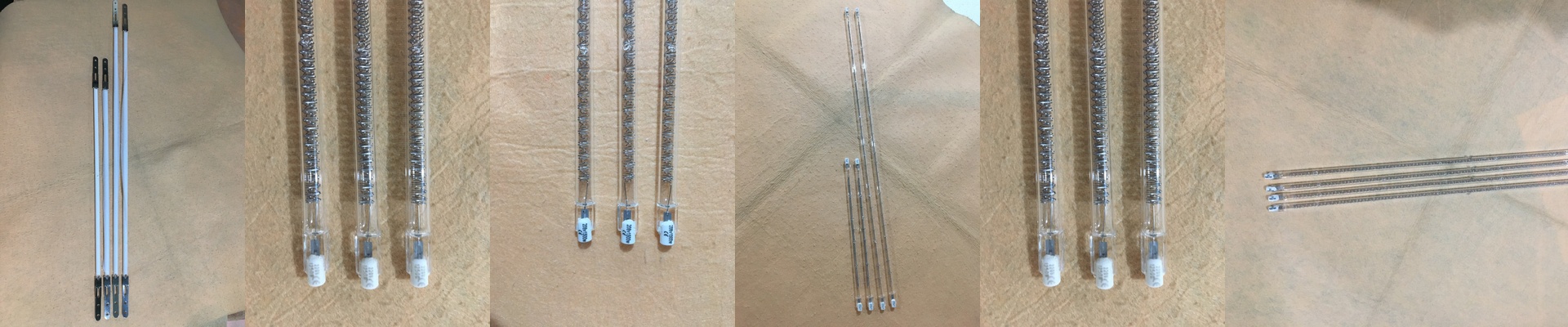
We built this 350mm, 415V, 1500W quartz halogen heat lamp to be the straightforward swap-in for industrial setups that need heat on demand—fast and in a tight space. If you’re the kind of engineer who wants wattage you can trust, voltage that plays nice, and a lamp that doesn’t throw in the towel early, this is the one.
Power, Voltage, and Size—What It Really Means
That 1500W rating? It means serious heat packed into a small footprint. You get high heat density without needing a huge setup, which is exactly what you want when space is tight. The 415V rating is intentional. It’s a clean match for industrial three-phase supply zones, so you can wire it onto a dedicated leg without fussing with oversized transformers or step-down gear. Run it at the right voltage and the filament stays steady—so your infrared output stays consistent. And the 350mm length gives you a fixed envelope to work within. Perfect when you’re retrofitting a machine or designing a snug heating zone.
Materials and Design—Why It Holds Up
The quartz envelope handles wild temperature swings way better than glass, and it stays highly transparent in the shortwave infrared range. That means the heat goes where you need it, without wasted energy. The halogen cycle keeps the filament clean by redepositing evaporated tungsten. The payoff is a longer life and output that stays stable over time. Then there’s the R7s base—simple, two-contact, and dead easy to install. Slide it in, align, and lock. It carries the current cleanly, and because it’s a common spec in industrial heating fixtures, it drops right in without making you rework the machine.
Where It Shines (And What to Watch For)
Use this lamp anywhere you need heat-up that’s fast and control that’s precise—plastic processing, coating drying, curing lines, component heating. The shortwave response sends energy straight into the target, so you spend less time heating up the surrounding hardware. Here’s the trade-off: 1500W in a 350mm tube creates serious localized heat. Your fixture and reflector need to manage that thermal load, and the lamp needs proper clearance so nearby parts don’t get cooked. But when you spec it right and get the mounting sorted, you get output you can count on, replacements that are no-drama, and process results that repeat again and again.