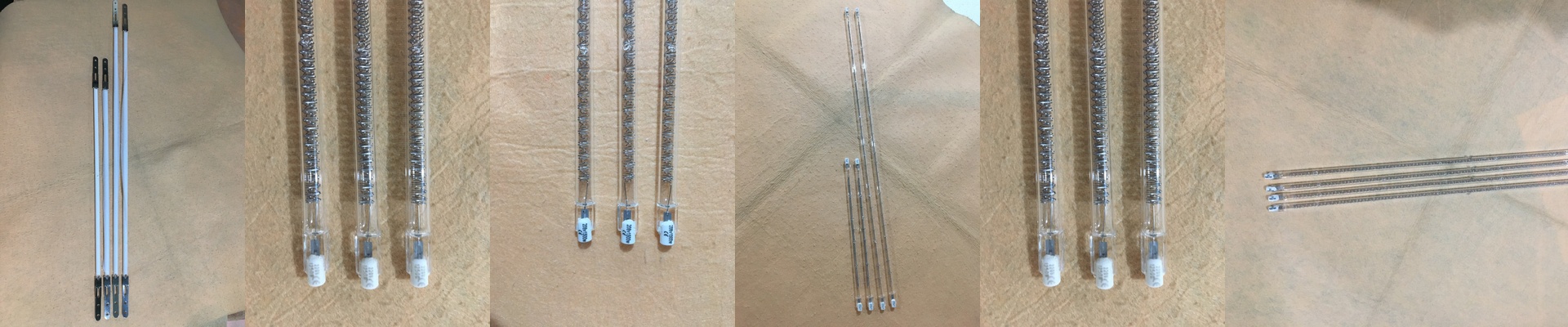
Stop Wasting Time Replacing Lambing Lamps
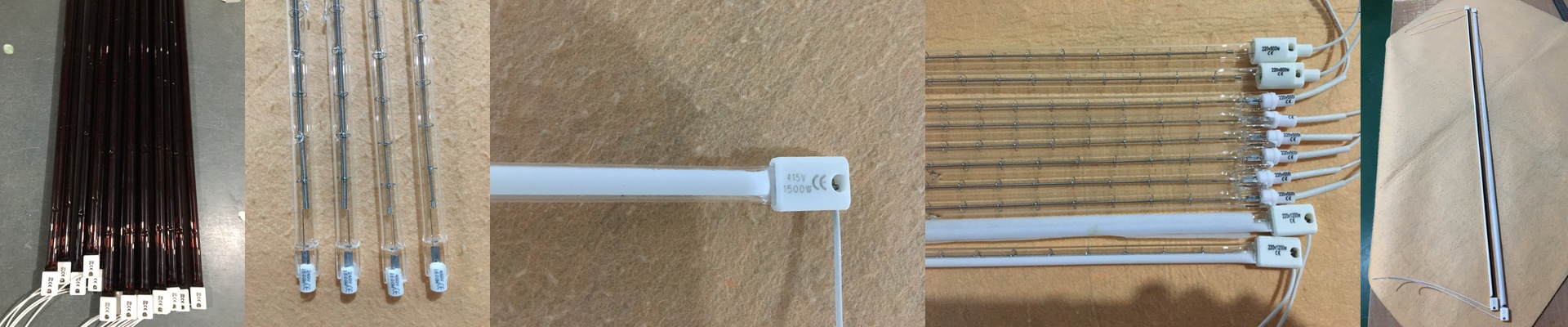
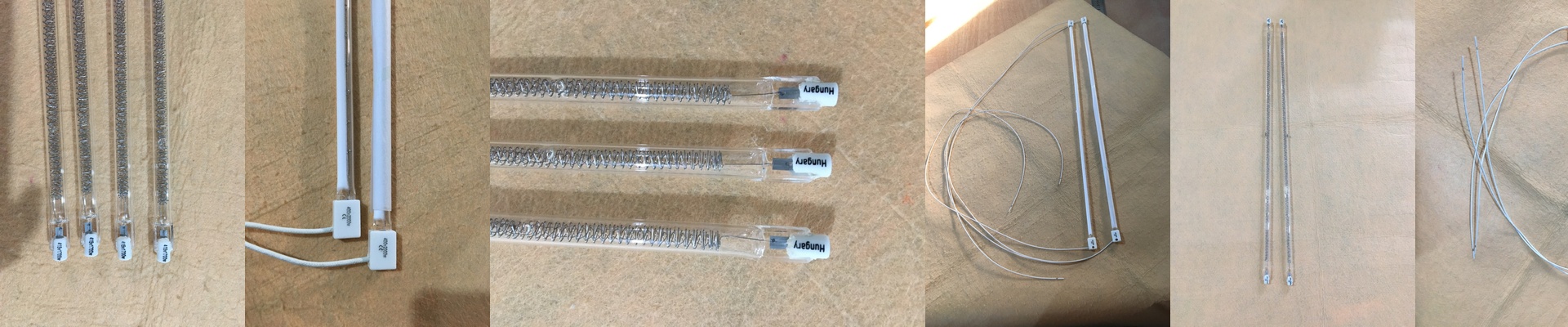
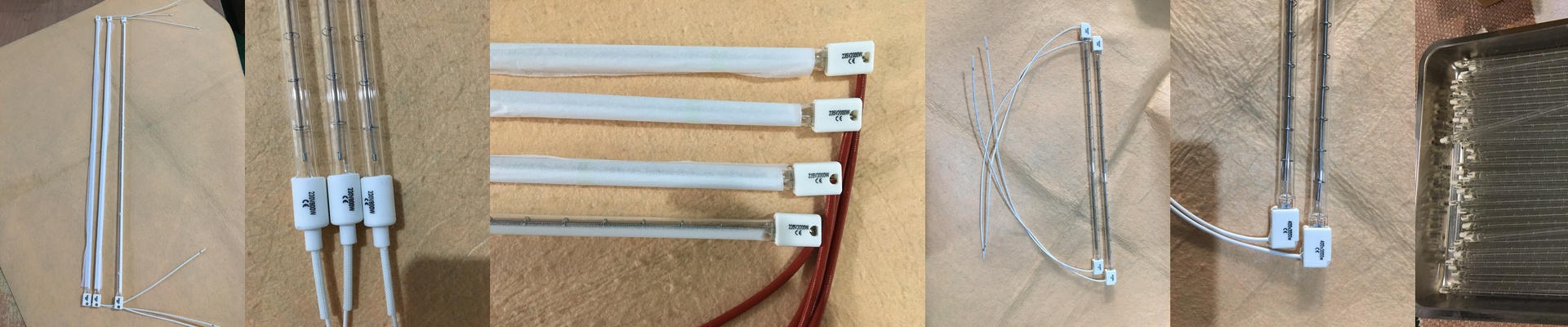
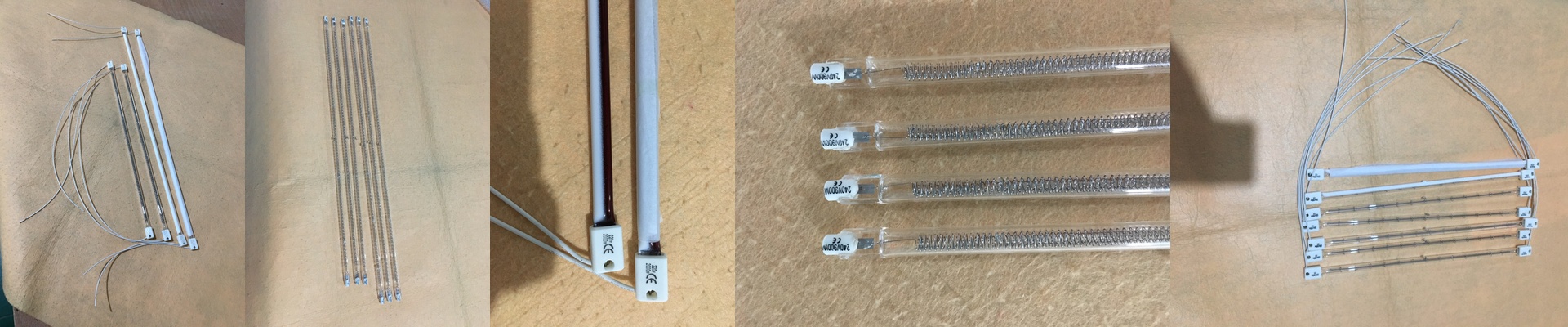
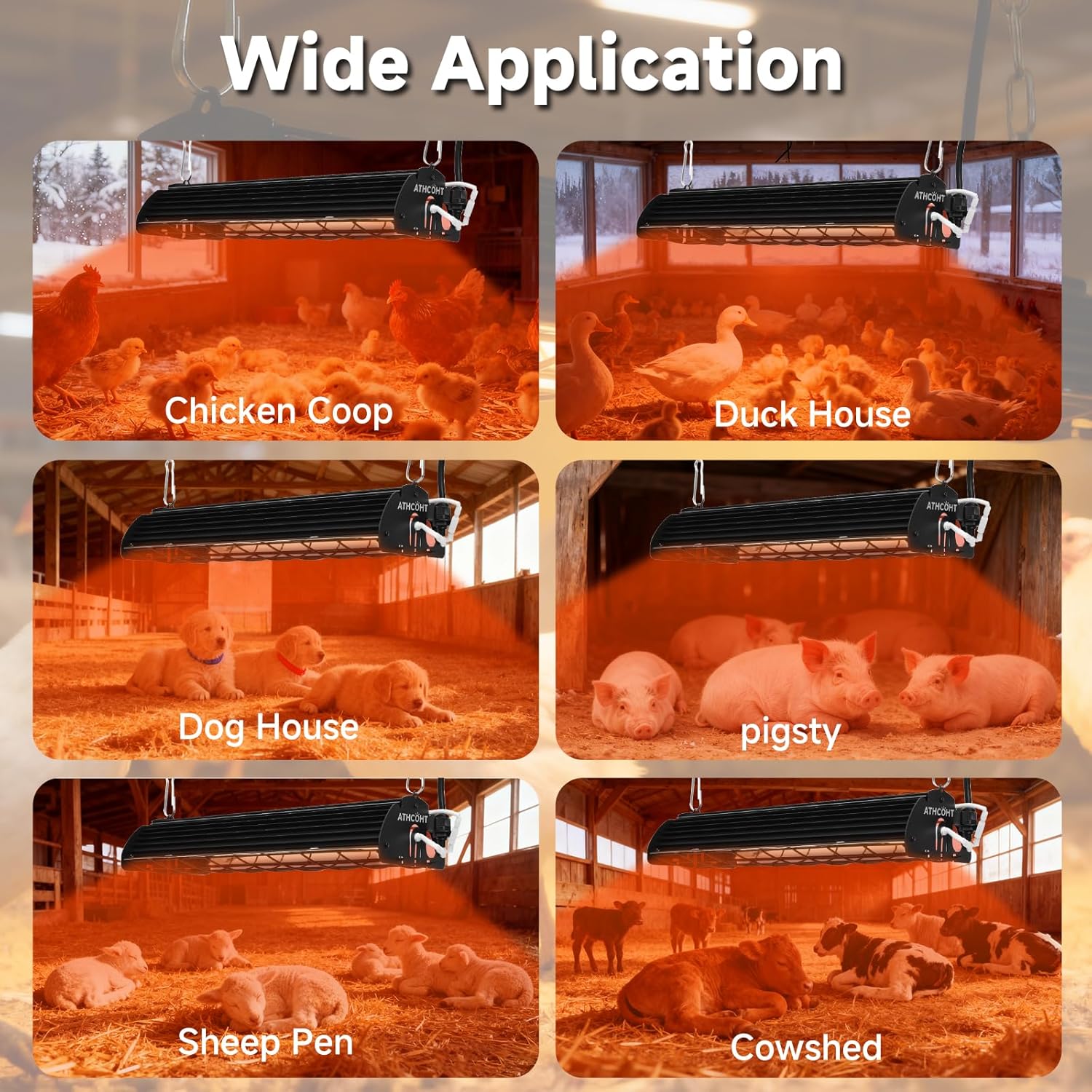
Let’s be honest about lambing season. It’s stressful. The last thing you need when you’re already exhausted is to realize half your heat lamps have burnt out in the middle of a cold snap. When you’re running a commercial operation, the price tag on the box isn’t the real cost. The real cost is the time you spend climbing ladders, swapping out dead bulbs, and worrying if the lambs are staying warm enough. That’s why we built these heavy-duty infrared lamps. We wanted to find that sweet spot where you get intense heat, but the bulbs actually last. How they actually work We use short-wave infrared tech because it gets the heat into the animal fast. No lingering around. We tweaked the tungsten filament and the quartz glass so you get the same heat you’re used to, but the bulbs don’t pop nearly as often. Even when it’s freezing outside and you’re pushing high wattage, the internal pressure stays stable. No premature snaps. No midnight emergencies. Built for the barn Barns are rough. They’re dusty, they’re humid, and things get bumped. Most standard bulbs fail right at the contact points. To fix that, we used reinforced seals and higher-grade quartz. It’s a tougher build. The goal was simple: cut the maintenance in half. Because every time you don’t have to replace a lamp is a win for your sanity and your bottom line. A quick heads-up on your wiring Here’s the thing: these lamps put out a lot of heat. That’s great for the livestock, but it can be hard on your electrical system. Just make sure your circuits can handle the total draw if you’re running a full bank of them. You don’t want to be tripping breakers or dealing with overheating junctions in the middle of the night. The bottom line We designed these to be a simple drop-in replacement. You take out the old, flaky units, put ours in, and keep the same heat output. But the cycle of replacing them slows way down. In an industry where margins are thin, that’s just smart business.