Why Your Cheap Heat Lamps Keep Dying (and How We Fixed It)
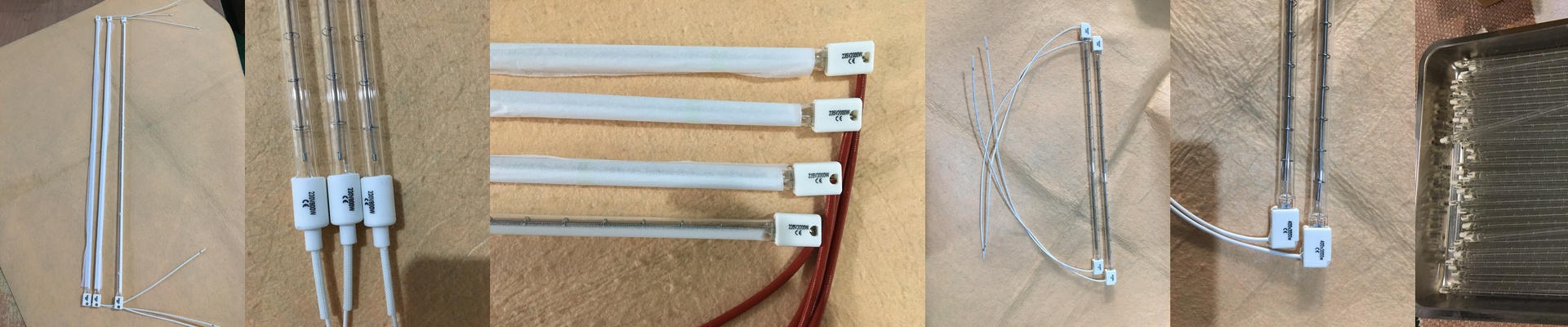
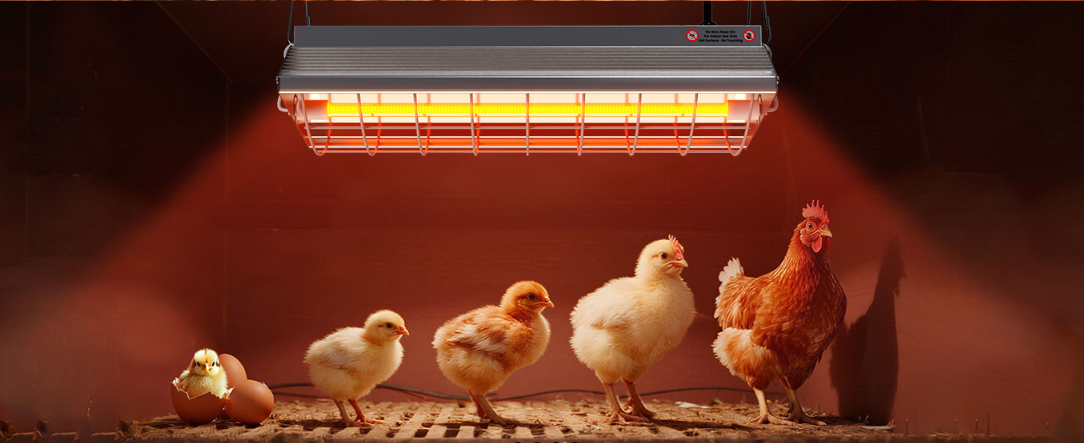
Ever notice how those budget infrared lamps seem to lose their punch way before the box says they should? You plug them in, they’re hot for a while, and then suddenly they just… fade. It happens a lot with cheap imports. The filament thins out too fast, the wattage drops, and your chicks end up shivering. It’s frustrating. That’s why we spent the time engineering our lamps to actually hold their heat for a full 5,000 hours.
The “Cloudy Glass” Problem
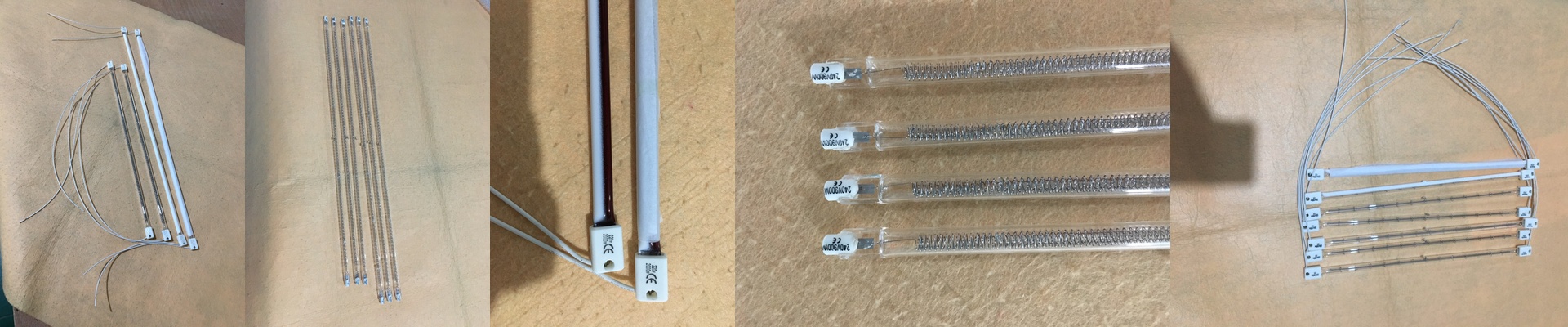
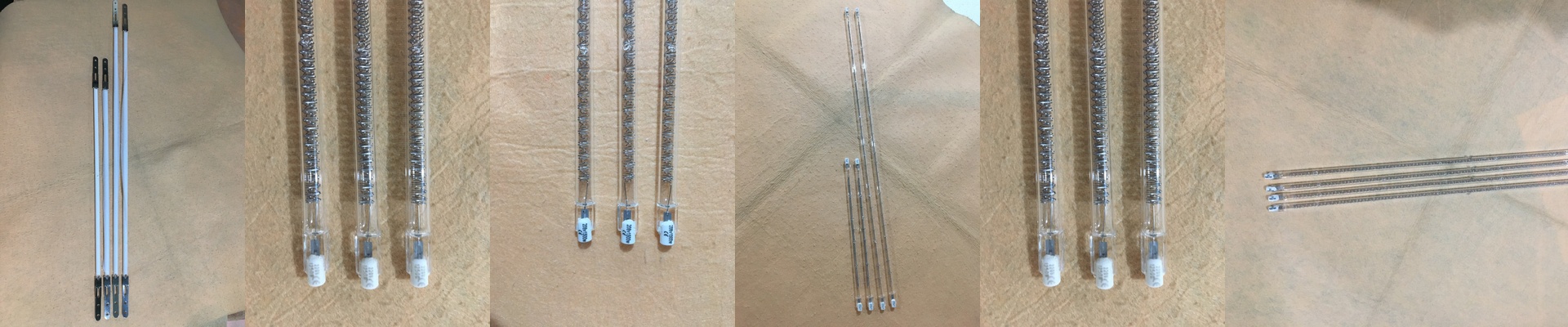
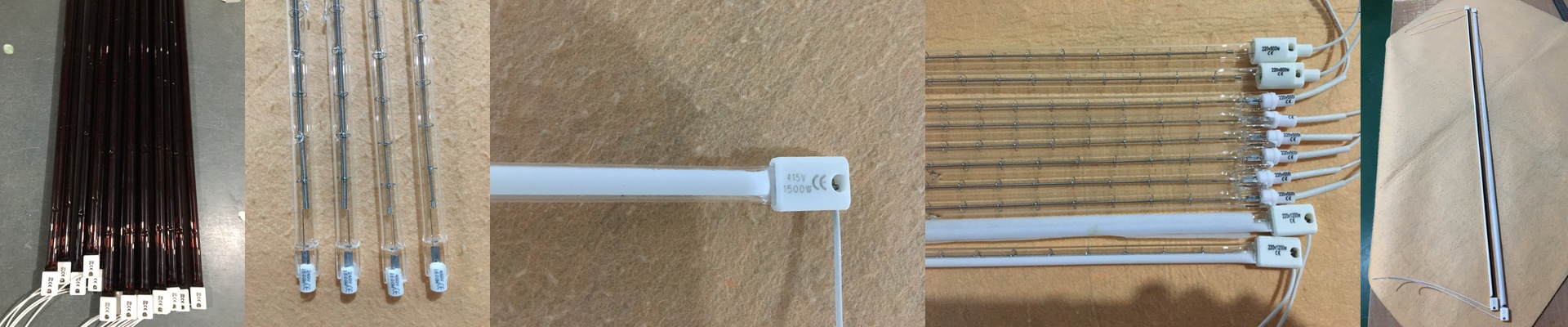
Here’s what’s actually happening inside the bulb. As the tungsten filament heats up, it evaporates. In cheap lamps, that vapor sticks to the inside of the quartz glass, creating a dark, cloudy film. Once that glass gets cloudy, the heat can’t get out. We solved this by using a specific mix of halogen gas and getting the internal pressure just right. Instead of letting the tungsten cloud the glass, the gas pushes it back onto the filament. You get the same level of heat on day one as you do at hour 5,000.No fading. No surprises.
Better Glass, Fewer Cracks
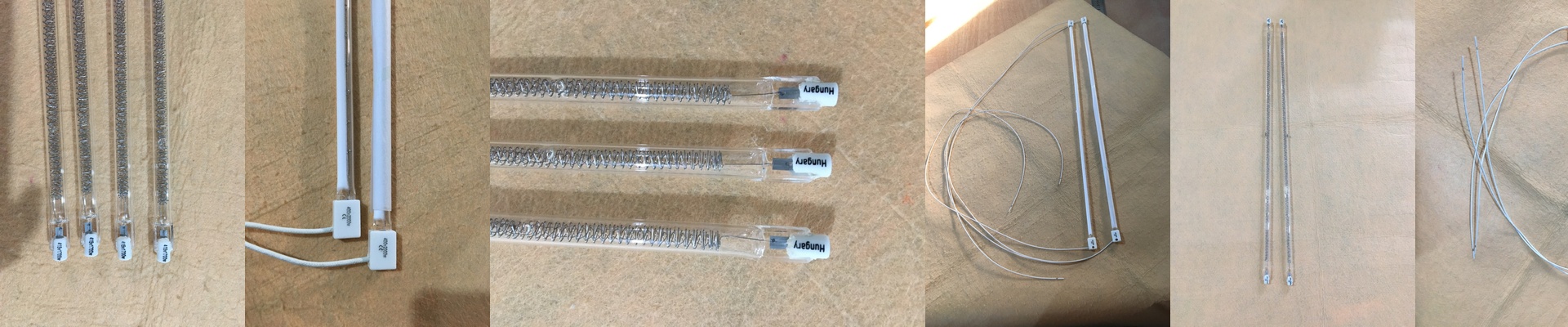
We also stepped up the materials. We use high-purity quartz because, let’s be honest, barns are cold. If the glass has impurities, it’ll crack the second you flip the switch in a freezing building. Plus, we’re a lot more obsessive about how the filaments are made. We make sure there are no “hot spots”—those tiny areas that get too hot and cause the bulb to pop. By spreading the heat evenly, the lamp lasts way longer than the generic stuff.
Getting Them Running
These are simple drop-in replacements. You don’t need to mess with your voltage settings or rewire your whole setup; they just work with your existing poultry arrays. One quick tip, though: if your local power grid is a bit jumpy with frequent spikes, it’s going to stress the filament. No matter how good the gas mix is, power surges are killers. If your electricity is unstable, grab a basic voltage regulator. It’s a small investment to make sure your lamps don’t burn out early.