Halogen Quartz Infrared Heaters: The Real Deal on High-Power Heating
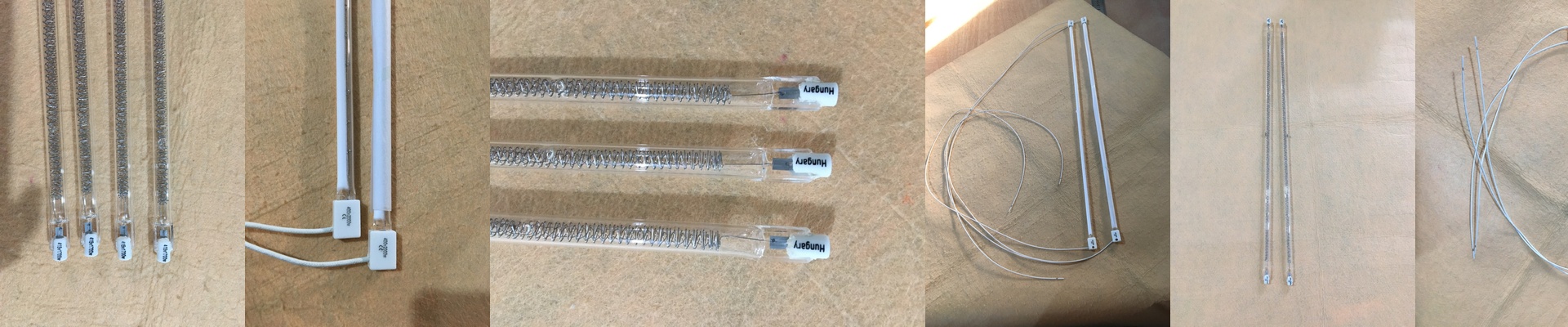
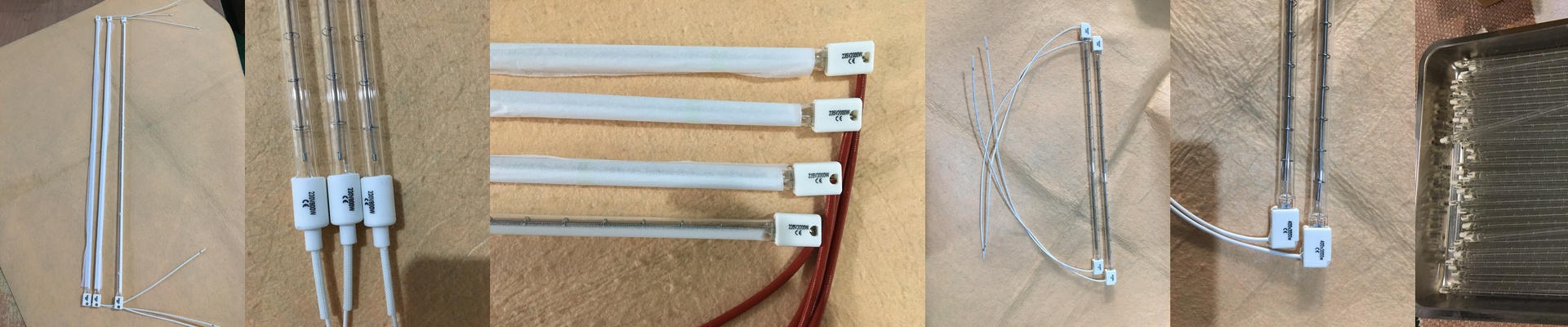
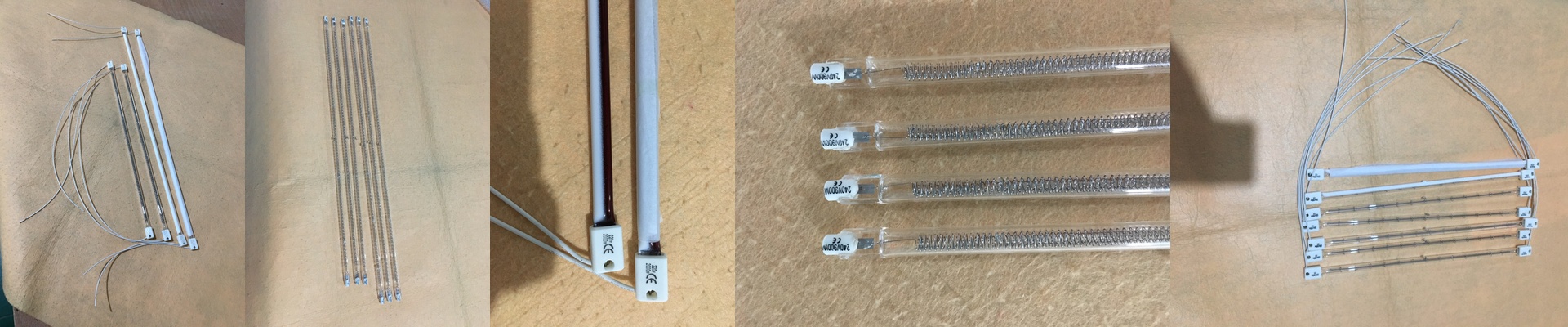
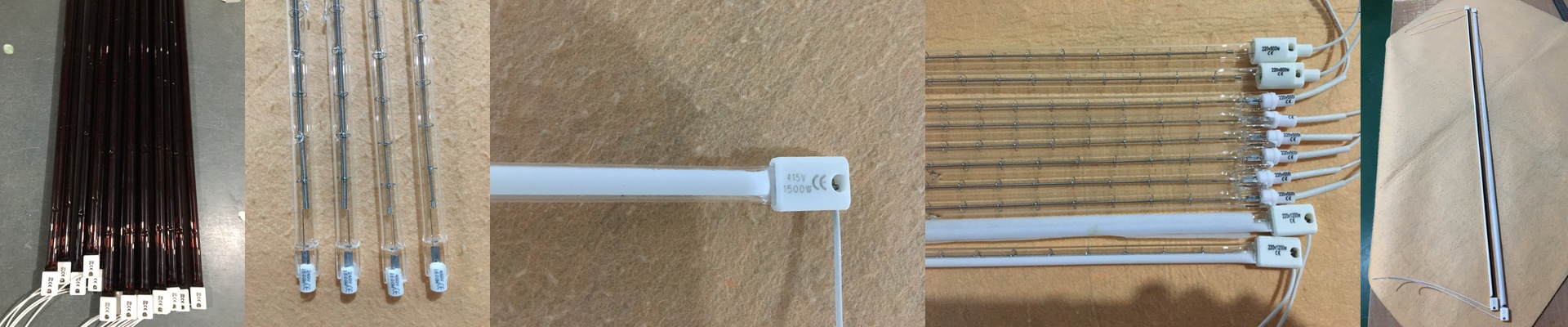
Let’s talk about halogen quartz infrared heaters. These things are the secret weapon for industrial jobs that need heat, and they need it fast. Forget your run-of-the-mill heater. These are compact powerhouses, built to deliver intense, focused heat exactly where you need it, especially when you’re working with tight space.
What’s Under the Hood: Power and Size
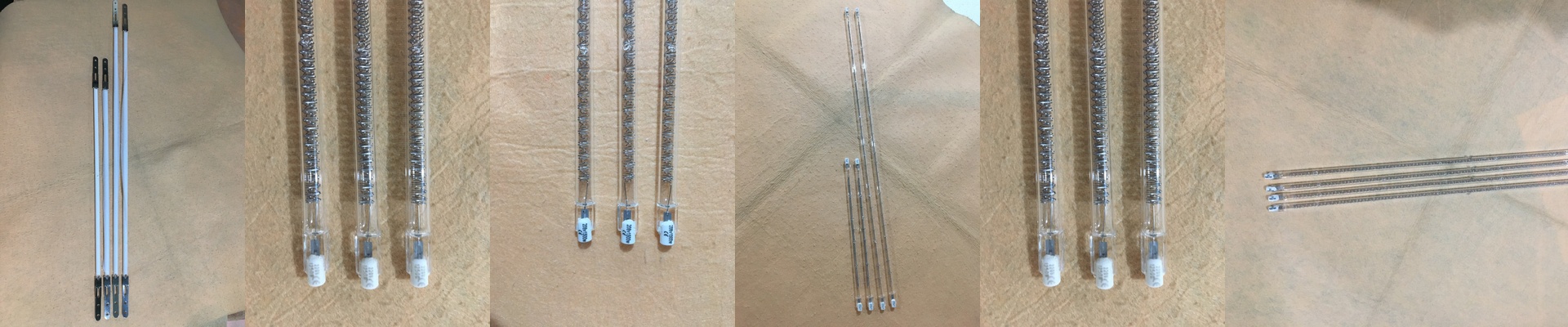
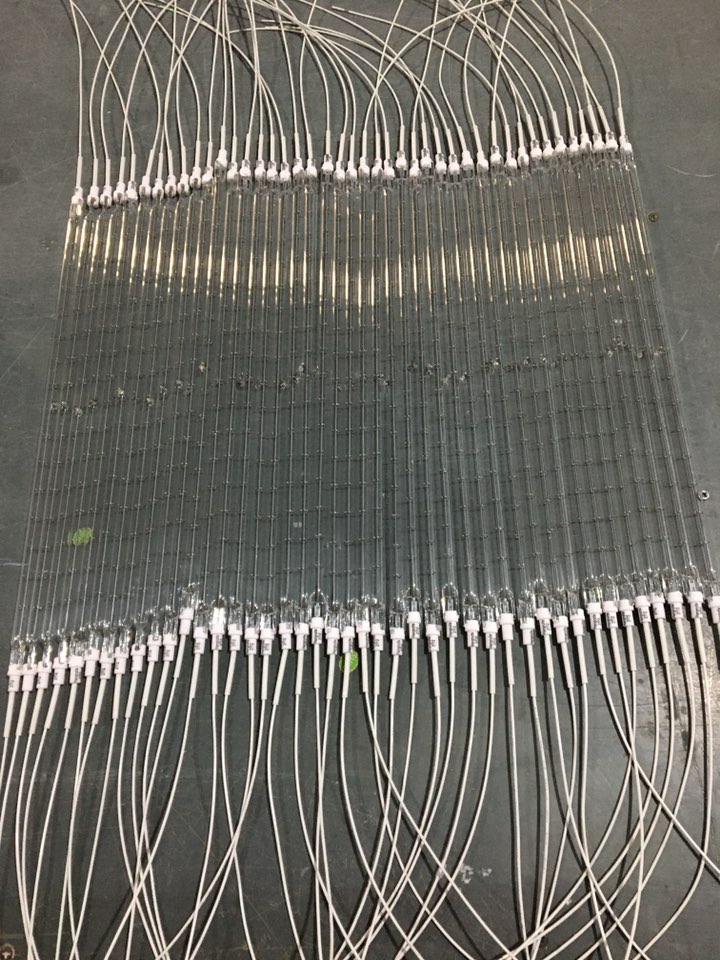
Here’s the thing about these heaters—they’re all about power density. A typical unit packs a punch with 2500W of power, pulling from a 400V line. That high voltage is a clever move. It means you get serious power without needing thick, heavy wiring. It keeps things simple and clean. And the size? A 300mm tube is the sweet spot. It’s a trade-off, really. You get a heater small enough to fit into those cramped spots on a machine, but what it gives you in return is a massive amount of heat concentrated into a tiny area.
The Magic Behind the Heat
It all comes down to the design. The quartz envelope is the real hero here. It can handle the insane heat of the filament inside, and it’s perfectly clear to let all that infrared energy pass right through. No energy wasted. Inside, a halogen cycle is constantly working, keeping the filament clean. This is what gives the heater a long life and keeps its output steady and reliable. A special coating focuses the energy into the shortwave spectrum (around 1-3 microns), which is just what materials like plastics love to absorb. And that R7s connector? It’s the standard for a reason. It’s a simple, two-contact connection that handles the high current and keeps everything rock-solid.
Solving the Tough Problems
Think about an application like PET blowing. In that world, this setup isn’t just an option—it’s essential. The shortwave heat gets absorbed almost instantly by the plastic preform, heating it from the inside out. The result? Perfect, even material distribution. And because the power is so dense, the cycle times are lightning fast. But, and there’s always a “but,” this kind of intensity has a side effect. The components nearby have to be tough enough to handle the high heat. You’ve got to plan for proper thermal management around the heater. For an engineer, it’s a straightforward swap-in. You get fast, controllable heat, but you just have to make sure your machine was designed to handle that kind of focused energy.