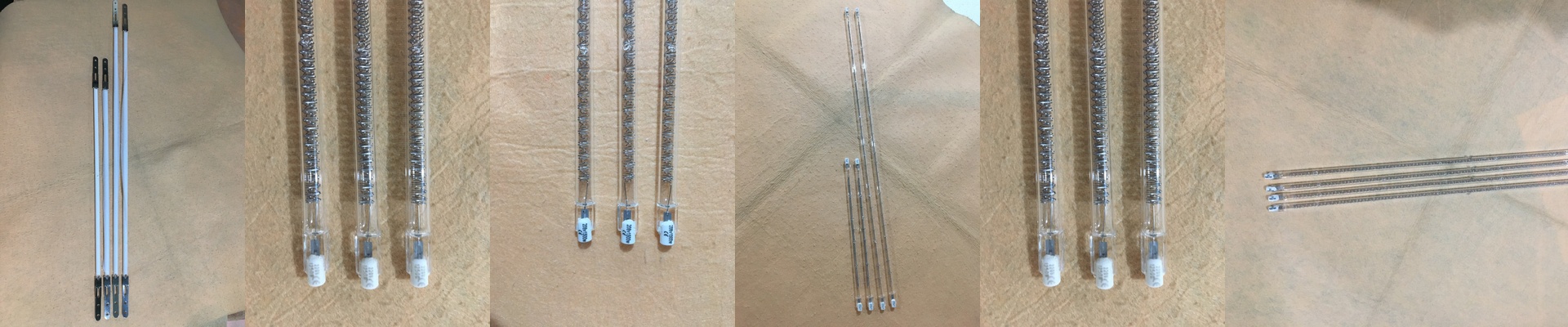
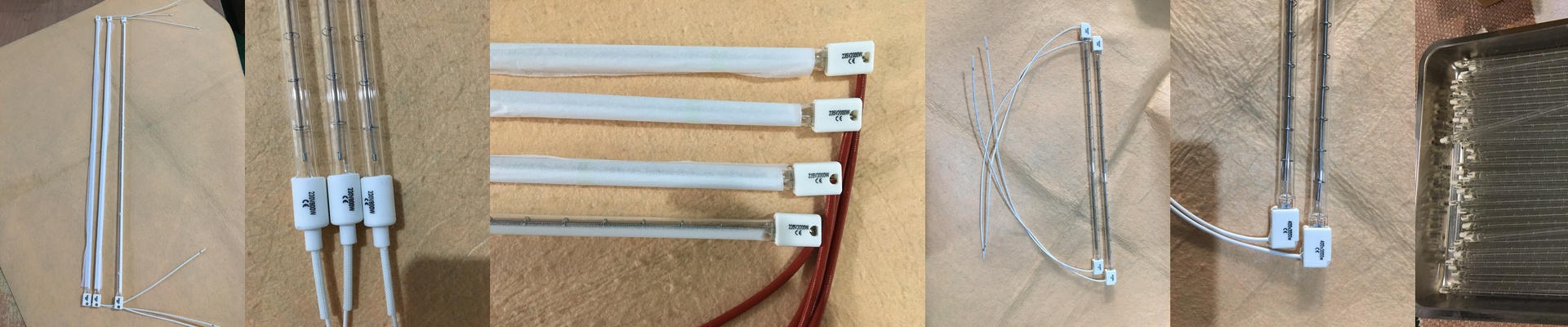
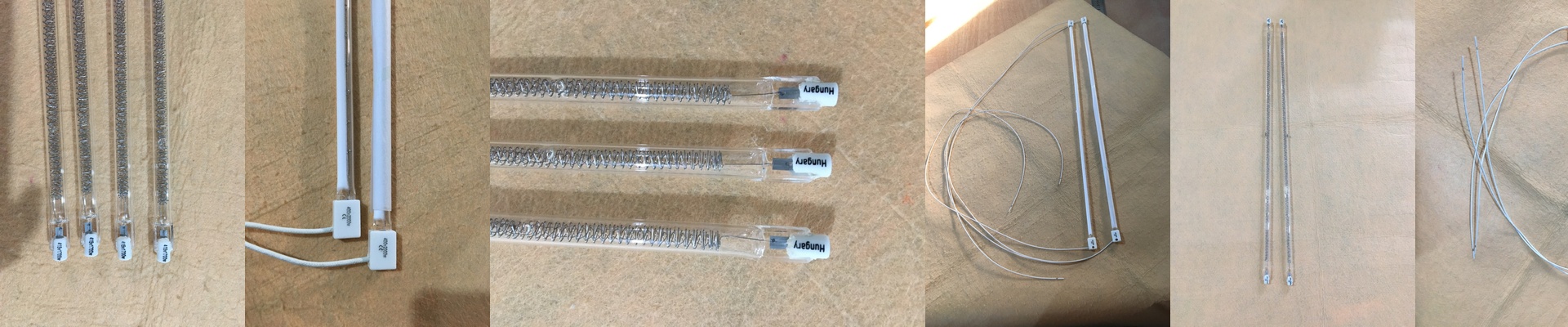
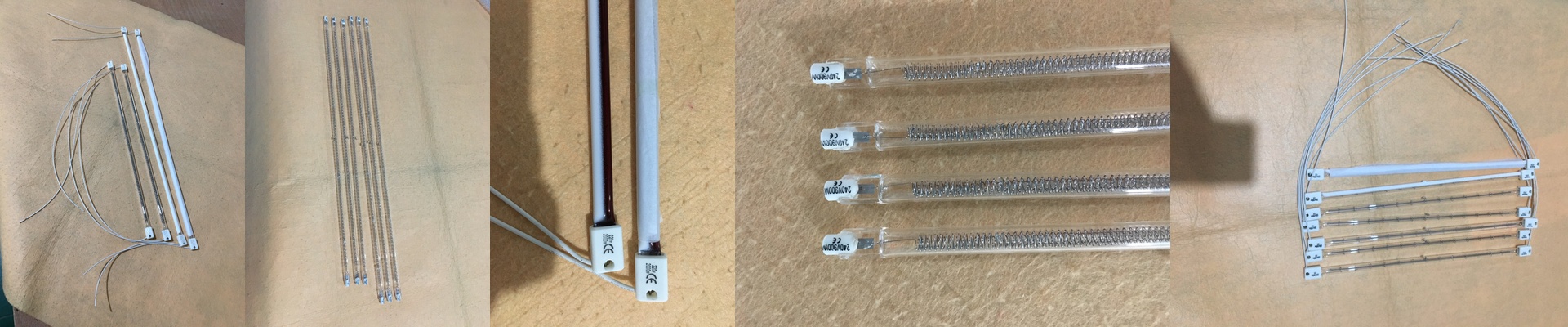
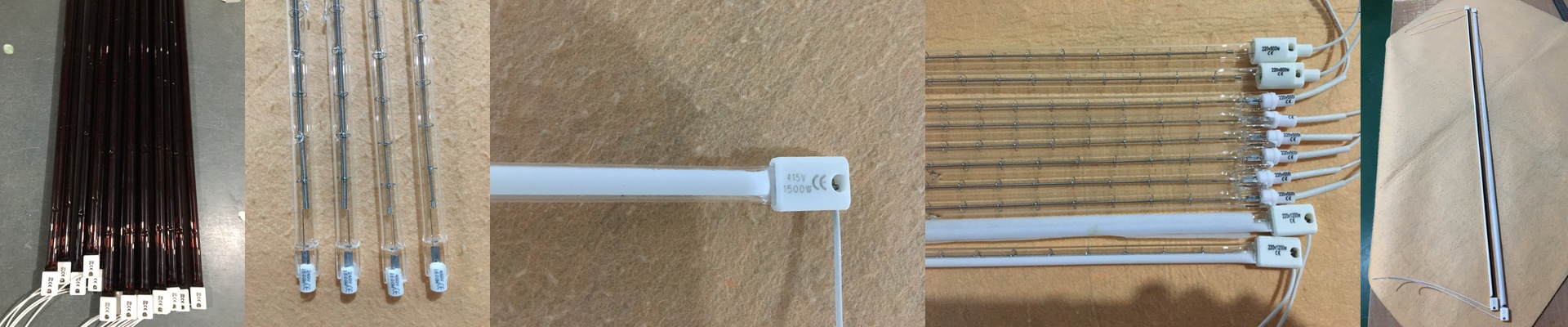
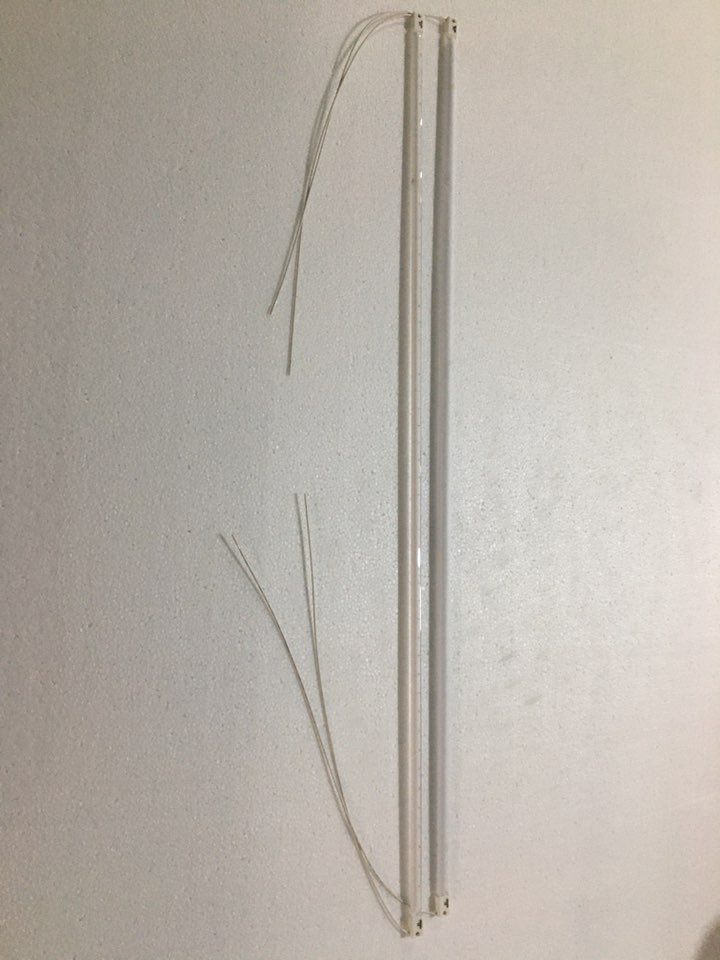
Let’s talk about the 1500W 220V Halogen Heating Lamp
First things first: this isn’t some light bulb you’d put in your living room. Think of this as a concentrated blast of heat. It’s designed to dump a massive amount of thermal energy into whatever you’re working on in a matter of seconds. It’s fast. Really fast. The nitty-gritty on power At 1500W and 220V, you’re getting a ton of heat from a pretty small package. We use a halogen cycle here, which is just a fancy way of saying we stop the tungsten filament from evaporating and gunking up the glass. Because the tube stays clear, the lamp lasts longer and the heat hits your target almost the instant you flip the switch. No waiting around for things to warm up. Why quartz matters We use quartz glass because it can handle the insane heat of the filament without warping or cracking. And here’s the cool part: since it operates in the short-wave spectrum, the heat actually sinks deeper into your materials. If you’re currently using old, sluggish heating elements in a drying tunnel or an industrial oven, swapping them for these is usually a huge win. But a quick heads-up:**check your wiring.**Make sure your sockets can actually handle 1500W. If your wires are too thin, they’ll overheat, and that’s how you end up with a melted mess. Real-world use (and the catch) You’ll mostly see these in things like PET bottle blowing, plastic welding, or curing paint. Since they’re so powerful, you can keep your heating zone small and save some floor space. But there is a trade-off. A 1500W source puts out a lot of ambient heat. If you cram these lamps too tightly into a reflector housing, you might actually overheat the frame of your machine. Keep your cooling fans humming and keep an eye on your reflectors. If they get oxidized or dirty, your efficiency tanks. Keep them clean, and you’re golden.